
Last updated November 14, 2026
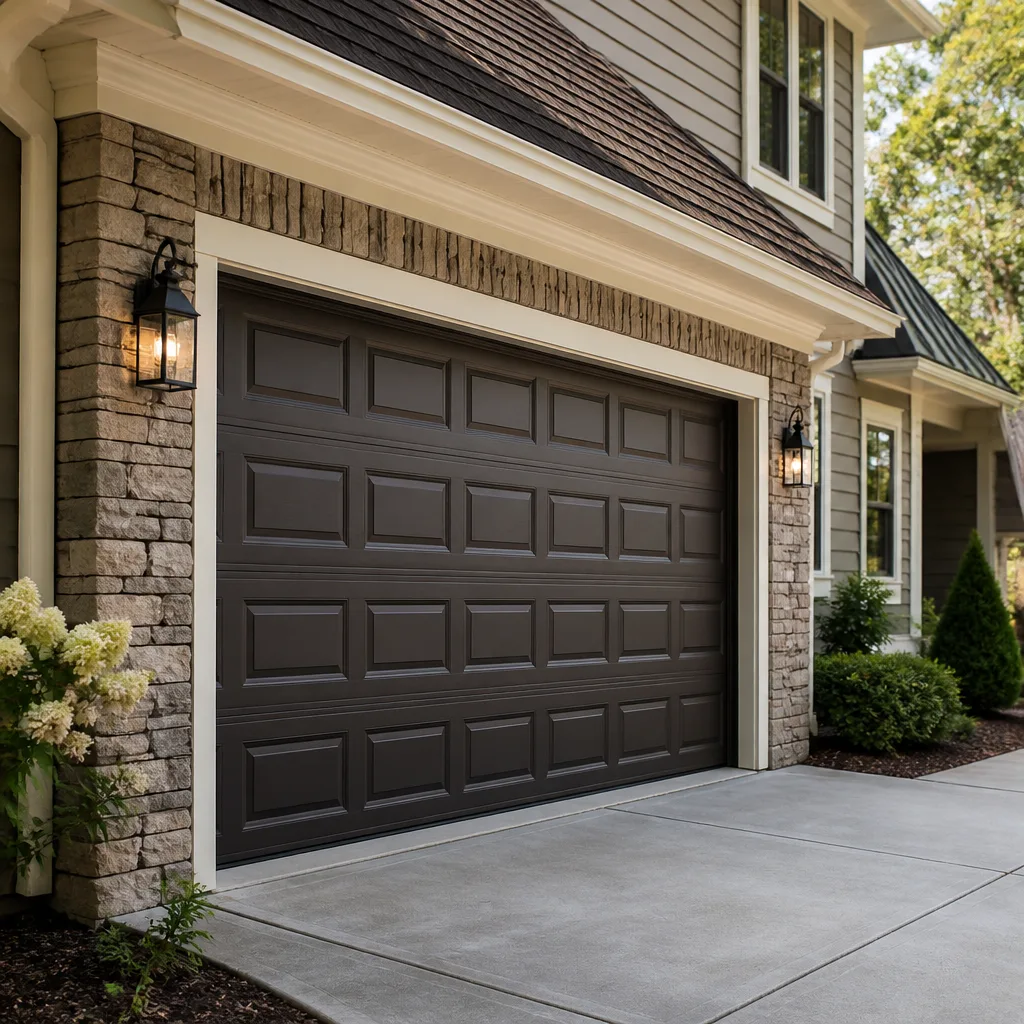 Raised-panel steel
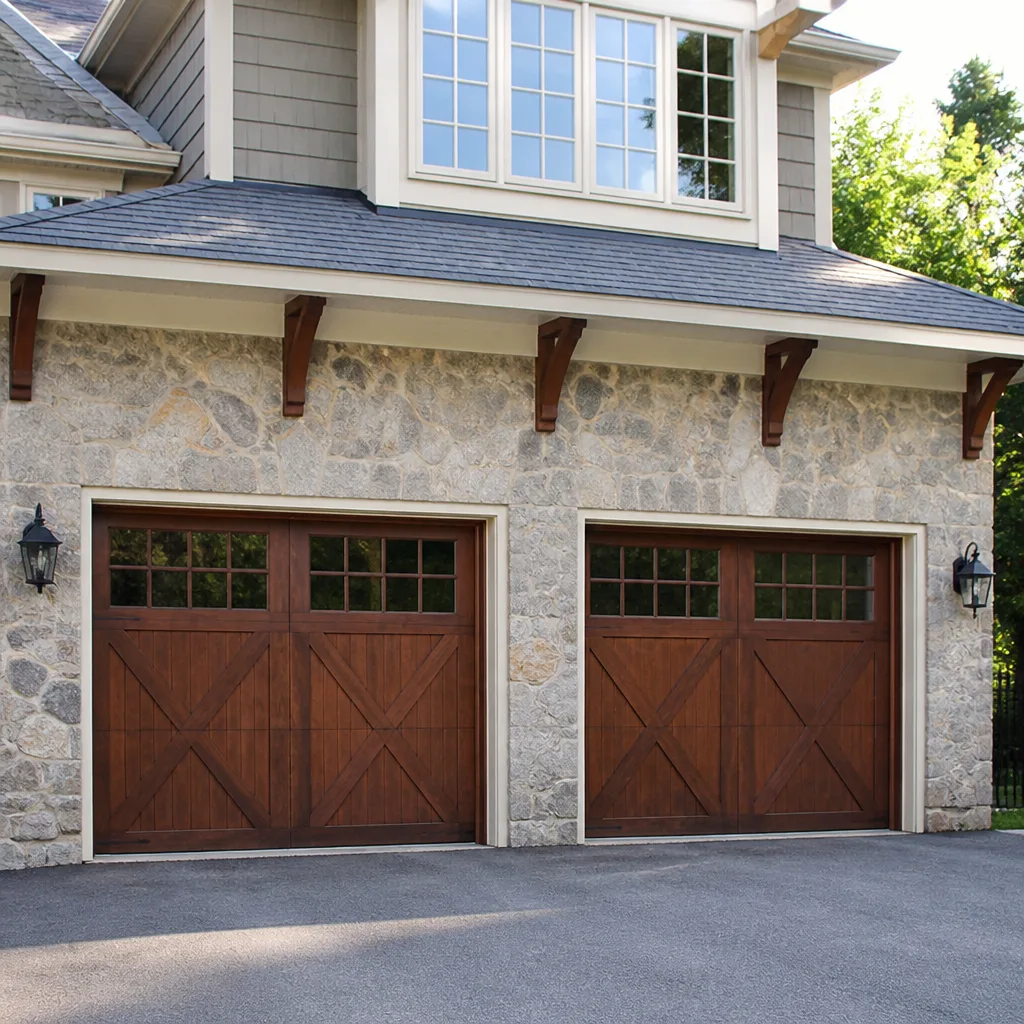 Carriage house
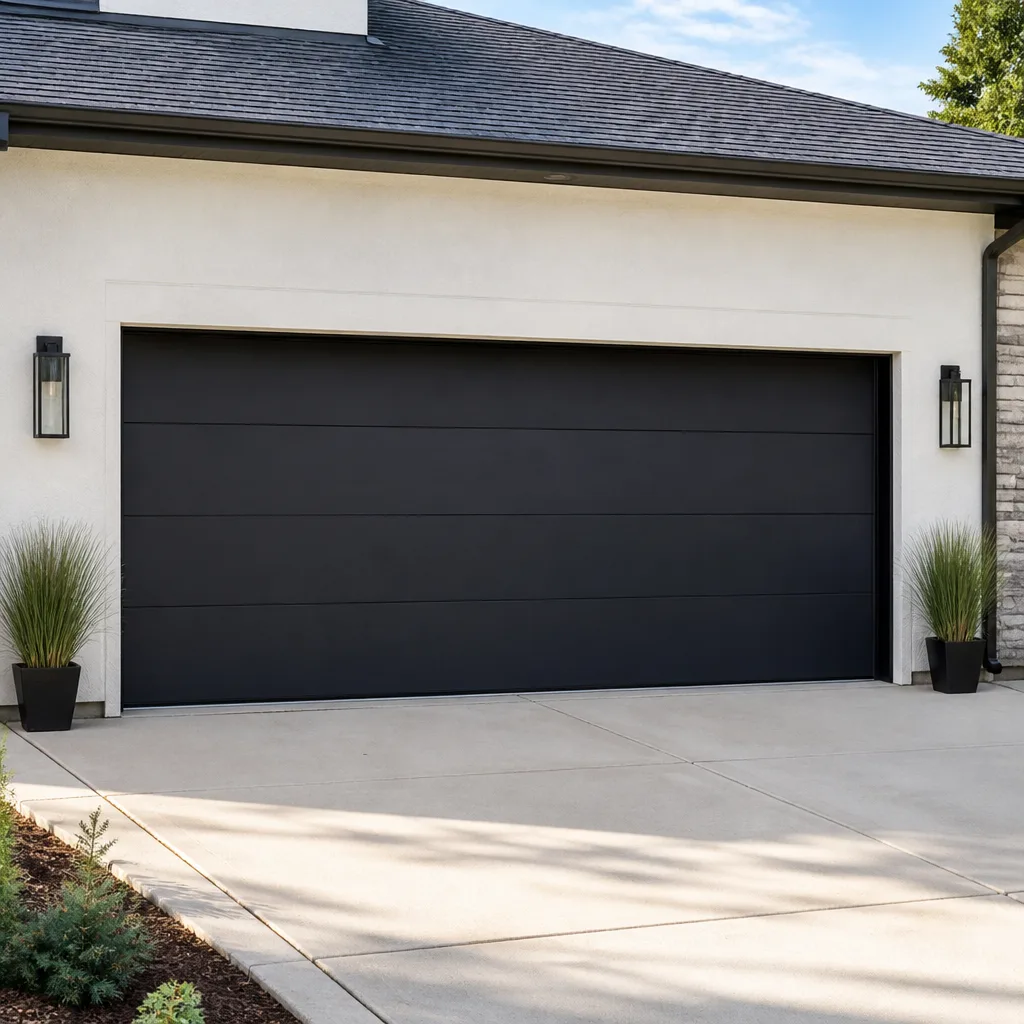 Modern flush
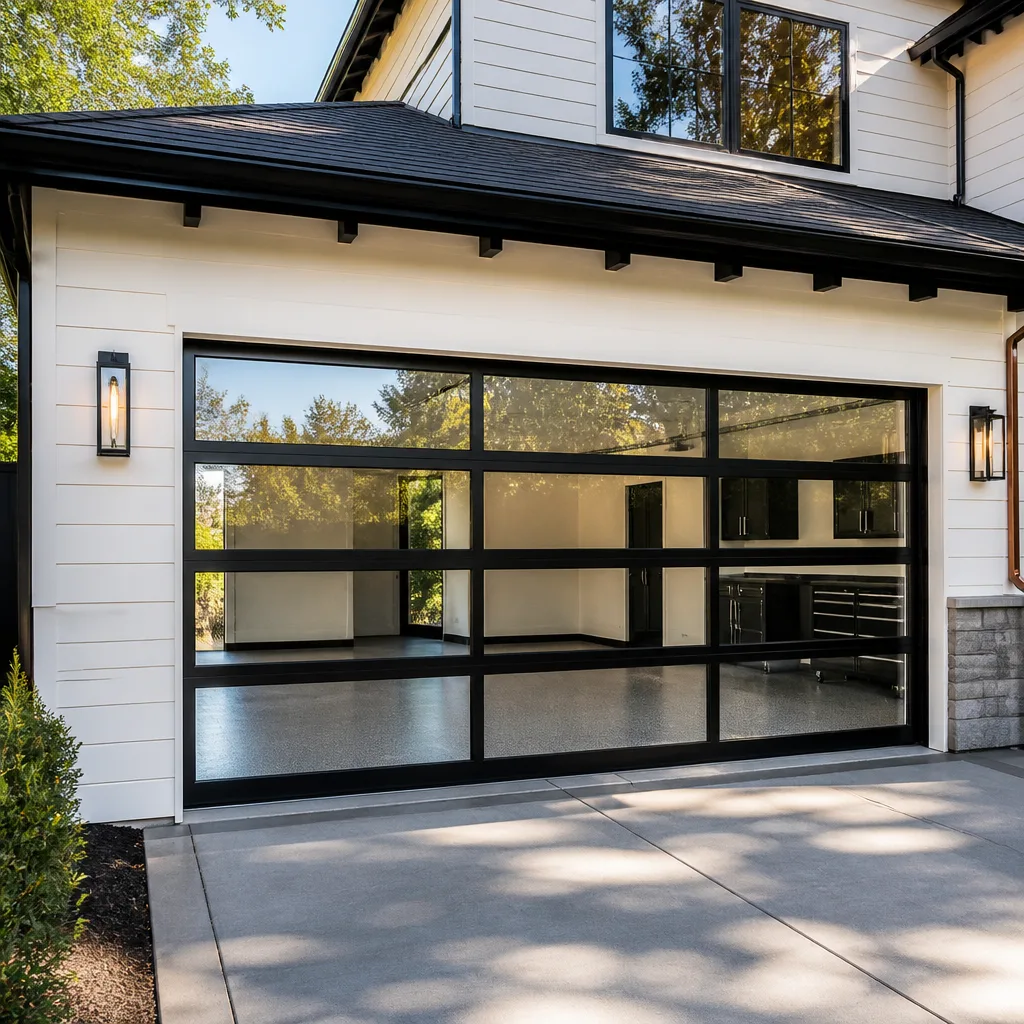 Full-view glass
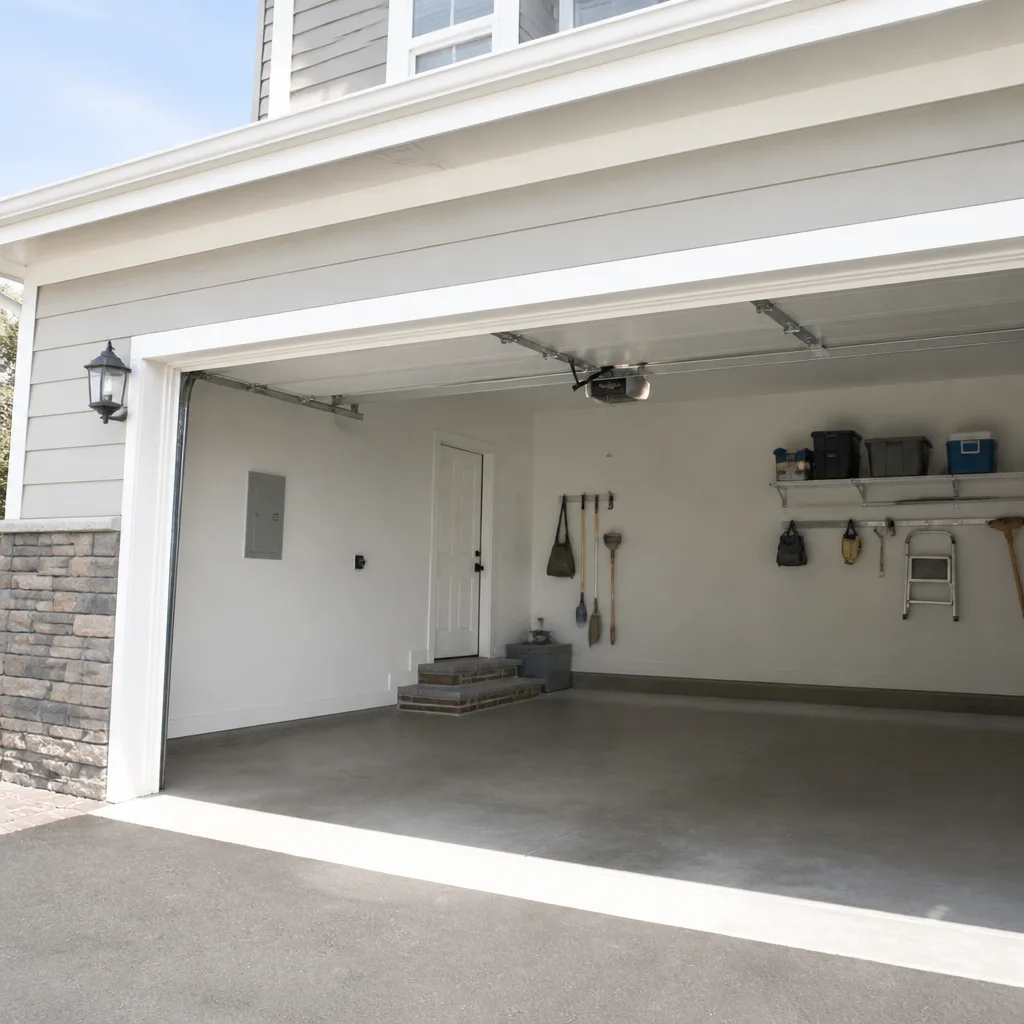 LiftMaster openers
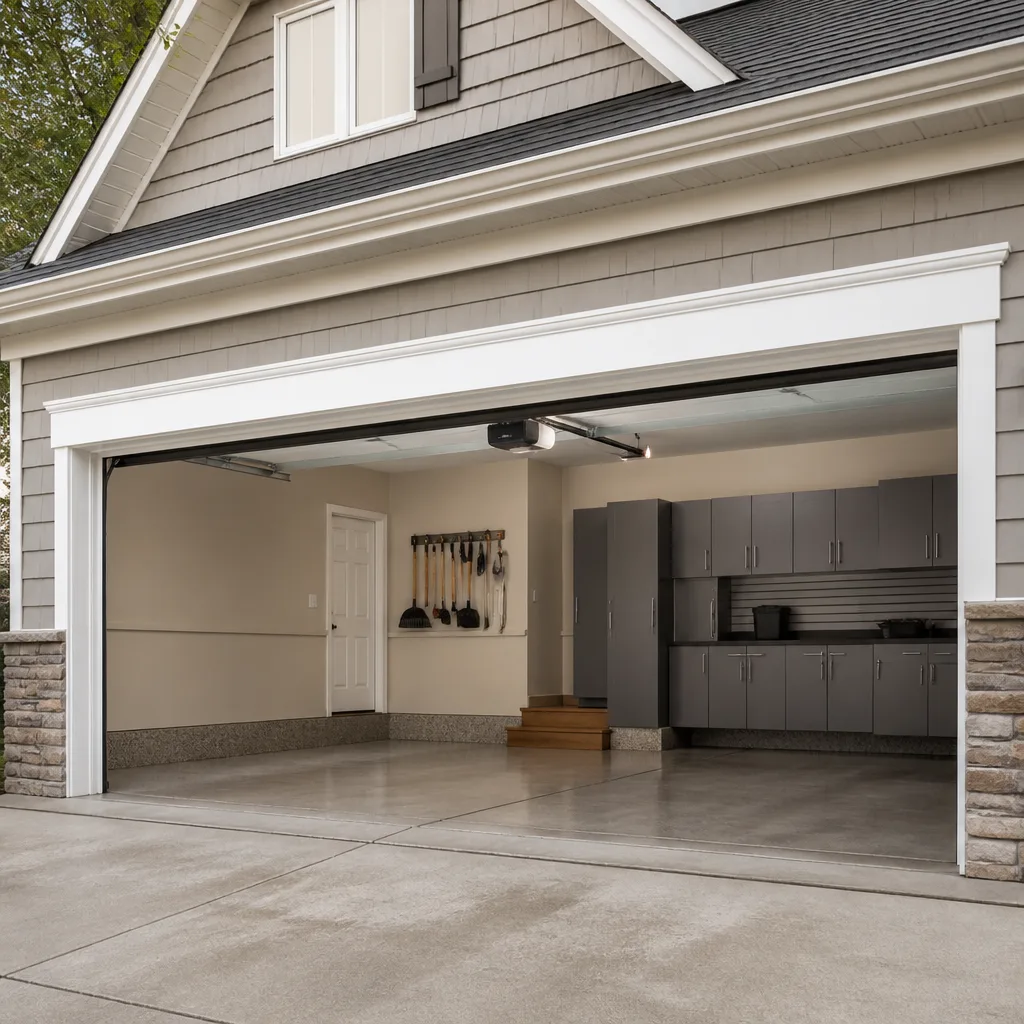 Chamberlain openers
Full 25-point door and opener safety check with every visit - springs, cables, rollers, tracks, and your LiftMaster or Chamberlain opener included
You get a price before we start. It does not change when the pro arrives.
Get your free estimateSeasonal Garage Door Care for Elizabeth: Year-Round Homeowner’s Guide
Ask most homeowners in Elizabeth when garage doors break and they’ll guess January. In our experience, the call volume peaks in late March. That’s the counterintuitive part of owning a garage door in this climate: the coldest weeks aren’t the hardest on the hardware. The thaw is. Repeated freeze-thaw cycles work metal back and forth until a spring that survived the deep cold gives out on the first mild week of spring. The same swing pattern affects weatherstripping, hinges, rollers and the concrete slab the door lands on. This guide breaks the year into four maintenance events, each with its own failure mode, so you’re inspecting for the right thing at the right time instead of running the same checklist four times.
Quick Answer
Garage door care in Elizabeth follows the seasons, not a single annual to-do list. Seal the bottom weatherstrip before the first hard freeze, keep the door from freezing to the floor slab in winter, run a post-thaw inspection in early spring that catches spring and cable fatigue, and check panel expansion and humidity damage on wood and composite doors through summer. Lubricate with a lithium- or silicone-based product made for garage door hardware, and inspect the whole system once each season. Most emergency repairs we handle in Elizabeth trace back to a step that got skipped at a season change, not to a part that failed out of nowhere.
Styles & brands we work with
- Raised-panel steel
- Carriage house
- Modern flush
- Full-view glass
- LiftMaster openers
- Chamberlain openers
Table of Contents
- Fall: Sealing the Bottom Weatherstrip Before First Frost
- Winter: Keeping the Door From Freezing to the Floor Slab
- Spring: The Post-Winter Inspection Sequence
- Summer: Humidity, Heat and Panel Expansion
- Year-Round: The Right Lubricant and the Wrong Substitutes
- Opener Care Through the Seasons
- Common Mistakes to Avoid
- When to Call a Professional
- Frequently Asked Questions
Fall: Sealing the Bottom Weatherstrip Before First Frost
If you do one task this fall, make it the bottom seal. Nothing else on a garage door in Elizabeth pays off as much through the winter. The bottom weatherstrip is the rubber or vinyl strip fitted into the bottom section or the retainer on the floor. It does three jobs: it seals out cold air, it keeps rain and meltwater from running under the door, and it absorbs the impact each time the door closes. When it hardens or tears, all three jobs fail at once, and the failure happens right when the temperature drops.
A worn seal lets meltwater sit against the bottom section. If the door freezes to the slab overnight, the opener lifts against a door that’s bonded to concrete. That’s how a small weatherstrip problem becomes a stripped gear or a snapped lifting cable. Old rubber also goes brittle in cold, so a seal that felt flexible in September can crack the first week it hits freezing.
Here’s how to check and reseal it correctly:
- Close the door and look along the full width from inside. Any daylight showing under the door means the seal isn’t touching the floor.
- Press the seal with your thumb. It should feel springy. Hard, cracked or flattened rubber needs replacing, not adjusting.
- Check the concrete directly under the door. A cracked or crumbled slab edge won’t hold a seal no matter how good the strip is, and a patch compound may be the real fix.
- Replace the strip by pulling the old one out of its retainer channel and sliding the new one in. Most residential retainers take a push-in or slide-in profile, and the old strip is your template for the correct size.
- Adjust the travel if the door closes too hard or stops short. The seal should compress slightly against the floor without the door straining.
This is the single task we see skipped most often, and it’s also the one that costs the least to fix. Do it before the first hard freeze and the rest of the winter gets easier. Our garage door repair calls in late fall are heavy with bottom-section damage that a fresh seal would have prevented.
Winter: Keeping the Door From Freezing to the Floor Slab
Elizabeth’s older detached garages have a specific winter problem: unheated slabs that hold moisture and doors that freeze to them overnight. The slab gets wet from a car pulling in with slush on it, from rain blowing under the door, or from snowmelt draining the wrong way. Then the temperature drops and the rubber seal bonds to the concrete. The opener tries to lift, the door doesn’t move, and something has to give.
The fix starts before the freeze. Clear snow and slush away from the door’s base instead of letting it pile against the bottom section. On older garages where the slab sits below the driveway grade, check that water drains away from the door rather than pooling against it. If your garage tends to stay damp, a dehumidifier or a little ventilation goes a long way toward keeping the concrete dry enough not to bond overnight.
When a door does freeze down, don’t force it:
- Disconnect the opener first. Pull the release cord so the motor isn’t fighting the ice. Running an opener against a stuck door is how gears and drive screws get damaged.
- Free the seal gently. Warm water along the bottom edge, or a heat gun on a low setting held well back from the rubber, will release the bond without tearing the strip. Never pry at the bottom section with a bar.
- Check the safety reverse after you free it. Cold can stiffen the seal enough to trick the opener’s force settings. Test the reverse with a piece of wood under the door before you trust it again.
- Fix the source, not just the symptom. A door that freezes down every cold snap needs a new bottom seal, better drainage, or both. Repeated freezing does cumulative damage to the bottom section and the seals around it.
Cold also stiffens old grease in the hinges and rollers, which makes the door harder to lift and puts more load on the springs. A light winter lubrication pass, covered later in this guide, keeps that drag from building up. Winter is also when cables and springs are working at their most brittle, so listen for new sounds: a door that creaks or groans where it used to run quiet is telling you something is binding.
Spring: The Post-Winter Inspection Sequence
Spring is the season that matters most for prevention in Elizabeth. The freeze-thaw cycle has been flexing springs, stretching cables and moving the door against its seals all winter, and the damage shows up as the weather warms. Late March is when most spring failures land in our experience. Run this sequence once the last hard freeze is behind you, in this order:
- Balance the door by hand. Disconnect the opener and lift the door halfway. It should stay there with little effort. A door that drops, or that you have to haul up, has a spring or balance problem.
- Look at the springs. Torsion springs sit on a shaft above the door. Extension springs run alongside the tracks. Look for gaps in a torsion spring’s coils, gaps can indicate a broken spring, and for stretched or elongated extension springs, which are a warning of fatigue.
- Check the cables for fraying. Cables should be whole and tight. Frayed strands or a cable hanging loose off a drum is a stop-now condition. Don’t operate the door.
- Inspect hinges and rollers. Worn rollers should turn freely in the tracks. Hinges with loose or missing screws let the door sag and pull the sections out of line.
- Sight down the tracks. Look at both vertical and horizontal tracks for bends, and check that the gap between the track and the rollers is even along the run.
- Test the opener’s safety reverse. Place a piece of wood on the floor in the door’s path and close it. The door should reverse on contact. Test the photo-eye safety sensors the same way by passing an object in front of them.
- Clean and lubricate. Spring is a good point to lubricate hinges, rollers, and the torsion spring shaft, and to wipe out the tracks with a dry cloth.
A word on safety: torsion springs and cables are under heavy tension, and a spring that lets go while you’re near it can cause serious injury. The inspection steps above are visual and by hand at the door’s edge. Adjusting or replacing springs, cables or drums is work for a trained technician, and it isn’t a DIY job, however confident you are. If the check turns up a broken spring or a frayed cable, leave the door closed and get it looked at.
This is the point in the year when most of our repair calls start. A quick spring check catches a failing spring before it strands you. If the opener is the part that’s struggling, our garage door opener repair service covers the leading smart and traditional platforms by name, including LiftMaster, Chamberlain, Genie and Craftsman.
Summer: Humidity, Heat and Panel Expansion
Summer is the quietest season for emergency calls in Elizabeth and the busiest for slow, cumulative damage. Heat and humidity work on door panels differently depending on material, and a door that was perfectly aligned in April can bind in July. The swing isn’t just about temperature; it’s about moisture.
Wood and composite doors
Wood panels absorb moisture in summer humidity and swell. This is normal, but it changes the fit between sections. Watch for panels that rub where they never did, a door that closes unevenly, or a bottom section that starts catching on the frame. Painted wood needs intact paint to keep moisture out, and touch-up on any cracking or peeling spots before the humid stretch is worth the hour it takes. If your door is a wood or wood-look model, Clopay and Amarr panels are the two we see most often, and both respond well to checking the finish before the muggy months settle in.
Expansion gaps
Doors expand slightly in summer heat, and the framing around them does too. Leave expansion room at the sides and top. A door fitted tight in cold weather will bind in the heat and strain the opener. If your door starts making contact with the frame or the jamb on warm days, that’s an expansion issue, not a door that needs replacing. The fix is usually a small adjustment, not a new door.
Steel and aluminum panels
Metal panels handle humidity better than wood, but heat can soften the sealants around window inserts and the bottom seal, and both can start to let air and water in. Check the window inserts for loose glazing and the bottom seal for cracking. Wayne Dalton is a common sight on Elizabeth homes with steel panel doors, and the plastic hinges those doors use are worth a look mid-summer since heat and wear both wear through them faster than steel hardware.
The opener in summer
Opener motors run hotter in summer. The hotter a motor runs, the shorter its life. Keep the opener’s vents clear and check the manual for the lubrication points, if it has any. If the opener shuts itself off on hot afternoons and works again after it cools, that’s an overheating motor, not a mystery, and it needs attention rather than a reboot.
Year-Round: The Right Lubricant and the Wrong Substitutes
If you’re going to keep one product in the garage, make it a garage-door-specific lubricant: a lithium grease spray or a silicone-based lubricant. Both work in all four New Jersey seasons, stay where you put them without collecting grit, and don’t thicken in cold or run in heat. That’s the whole job: hinges, rollers, the spring shaft, and the pivot points on the door’s hardware. Wipe the tracks clean rather than greasing them.
Here’s where people go wrong. Three common substitutes can cause real damage:
- WD-40 as a lubricant. The standard spray is a solvent and water displacer, not a long-term lubricant. It cleans and it loosens, but it doesn’t stay. Use it to free a stuck bolt, not to lubricate a moving part.
- Grease in a tub. Heavy grease attracts dust and grit. That grit turns into a grinding paste that wears rollers and hinges faster than no lubricant at all. It also thickens in winter.
- Oil from the kitchen or the car. Cooking oil goes rancid. Motor oil runs and slings. Neither belongs on door hardware.
Apply lubricant a couple of times a year, once in fall before the freeze and once in spring. A door that’s been working quietly for years still needs it, because quiet running is the sign the lubricant is doing its job. When it stops, the wear starts. And if you’re ever unsure what’s on your hinges already, clean it off before applying something new. Mixing a silicone spray on top of an old heavy grease just makes a mess that traps dirt.
One more point on the springs: don’t lubricate torsion springs with anything heavier than a light grease, and don’t try to turn or adjust them. A light film on the coils is fine to help them move freely, but leave the tensioning to someone trained to handle it.
Opener Care Through the Seasons
The opener is the part of your system that interacts most with the seasons, because it’s the part that has to overcome the drag the weather creates. A stiff winter door, a binding summer panel, a frozen bottom seal: all of these show up as opener strain. Smart and traditional openers from LiftMaster, Chamberlain and Genie dominate Elizabeth garages, and Craftsman units show up often on homes that have been through a few owners. Whatever your brand, seasonal care is the same idea.
In fall, check the opener’s force and travel settings after you reseal the bottom. The seal adds a little resistance, and the opener should be adjusted to it rather than straining. In winter, test the safety reverse after any cold snap that makes the door sluggish. In spring, look at the opener’s drive system: a belt, chain or screw that’s worn or loose will make a door sound worse than it is. In summer, clear the cooling vents and check the battery backup, if your opener has one, since those batteries tend to be forgotten until they’re needed.
Our technicians have up to 8 years of experience and work on what you already have. We’re not a one-brand shop, so you won’t get steered toward a replacement because your opener happens to be a brand we don’t stock. We work across LiftMaster, Chamberlain, Genie, Clopay, Amarr, Wayne Dalton, Craftsman and Raynor equipment. If your opener is the part that’s failing, it helps to know which brand and roughly which model when you call.
Common Mistakes to Avoid
- Waiting for a failure to inspect. A seasonal check catches a worn cable before it strands you. A door that’s sticking, groaning or running unevenly is already telling you something’s off, and it’s easier to fix before a spring snaps than after.
- Skipping the bottom seal in fall. The seal is cheap, the damage it prevents isn’t. The bottom section of a door that freezes down repeatedly will eventually need more than weatherstripping, and that’s the part that’s hardest to fix cheaply.
- Greasing the tracks. Rollers roll, tracks guide. Lubricant on the tracks collects grit and makes the rollers drag. Wipe them clean instead.
- Forcing a frozen door. Running the opener against a door that’s bonded to the slab or jammed by ice is how gears and cables get broken. Release the opener first, then free the door by hand.
- Using WD-40 or tub grease as a door lubricant. One doesn’t last, the other collects grit. Use a garage-door-specific lithium or silicone product and apply it on schedule.
- Ignoring summer binding as a sign of replacement. A door that binds in humid weather often just needs an adjustment or the expansion gap checked. Don’t buy a new door because of a seasonal fit issue.
- Adjusting springs and cables yourself. This is the mistake with the most serious consequences. Torsion springs and cables hold heavy tension, and the injury risk is real. Leave them to a trained technician.
When to Call a Professional
Some things are worth a call even for a handy homeowner: a broken spring, a frayed or snapped cable, a door that’s come off its track, a door that’s badly out of balance, an opener that trips its breaker or overheats, or a bottom section that’s been damaged by repeated freezing. These are the cases where forcing the issue can make things worse, so it’s best to stop operating the door and let someone trained to look at it handle it. For everything else, the seasonal checks above are genuinely a homeowner job.
Hartwell Garage Door Repair offers free estimates in Elizabeth. We work on repair, opener repair and installation across the major brands, and we quote the price before any work starts, so you know the figure before the technician touches the door. To book a seasonal inspection, call (833) 946-9108. We answer 24/7, and fast dispatch runs from 7am to 7pm, Sunday through Friday. If a door fails on a Saturday, call and we’ll book you in for Sunday.
Frequently Asked Questions
Four times a year, once at each season change, is the right schedule for this climate. Each season puts a different stress on the door: fall freeze risk, winter freezing and cold stiffening, spring post-thaw fatigue, and summer humidity and heat expansion. A quick check at each transition catches a problem before it becomes a repair, and the whole sequence takes less time than one service visit. For a deeper inspection, our Elizabeth team can look it over and give you a free estimate on anything that needs attention.
Freeze-thaw cycling, not deep cold, is what tends to fatigue garage door springs around Elizabeth. Through winter, the metal flexes as the temperature moves above and below freezing, and each cycle works it a little more. Cold alone leaves a spring intact; the repeated back-and-forth weakens it until a mild week in late March is enough to finish the job. That’s why a spring that survived January can fail in the first warm spell. If you hear a loud snap from the garage, keep the door closed and call (833) 946-9108.
Release the opener first so the motor isn’t pulling against ice, then free the bottom seal gently with warm water or a low-setting heat gun, and test the safety reverse before you use the door normally. Never pry at the bottom section or force the opener to lift a frozen door. If it happens more than once a winter, the seal or the drainage needs fixing, and that’s worth a free estimate. Call (833) 946-9108 and we’ll take a look.
A lithium grease spray or a silicone-based garage-door lubricant works year-round in New Jersey’s temperature swings. Both stay put in summer heat and don’t thicken in cold. Avoid WD-40 as a stand-in (it’s a solvent, not a lasting lubricant), heavy tub grease (it traps grit) and cooking or motor oil (which runs, slings or goes rancid). Apply it to hinges, rollers, the spring shaft and pivot points in fall and spring.
No. A door that binds in warm, humid weather is usually an expansion or adjustment issue, not a reason to replace it. Wood and composite panels swell with humidity, and the framing does too, so the door needs a small gap. Have a technician check the fit and the bottom seal before you consider replacement. Repair before replace is how we approach it; call (833) 946-9108 for a free estimate.
The written estimate sets the price, and we quote it before any work starts. That’s the number you’ll pay for the agreed work. If the inspection turns up something not in the original scope, you’ll hear about it and get a written price for it before any of it goes ahead. Our technicians are experienced, and estimates are free. Call (833) 946-9108 to book one.
The Bottom Line
Garage door care in Elizabeth is a seasonal job, not a single annual task. Seal the bottom weatherstrip before the first freeze, keep winter moisture from bonding the door to the slab, run the post-thaw inspection in early spring, and watch for humidity and heat expansion through summer. Lubricate with a garage-door-specific lithium or silicone product twice a year, and leave springs and cables to a trained technician. Do those things and you’ll skip most of the emergency repairs we see, no matter what brand is on your door. If something doesn’t feel right, our team at Hartwell Garage Door Repair is a call away.
Call (833) 946-9108 for a free estimate. We answer 24/7, and fast dispatch runs from 7am to 7pm, Sunday through Friday.
Written by the team at Hartwell Garage Door Repair.
See the difference
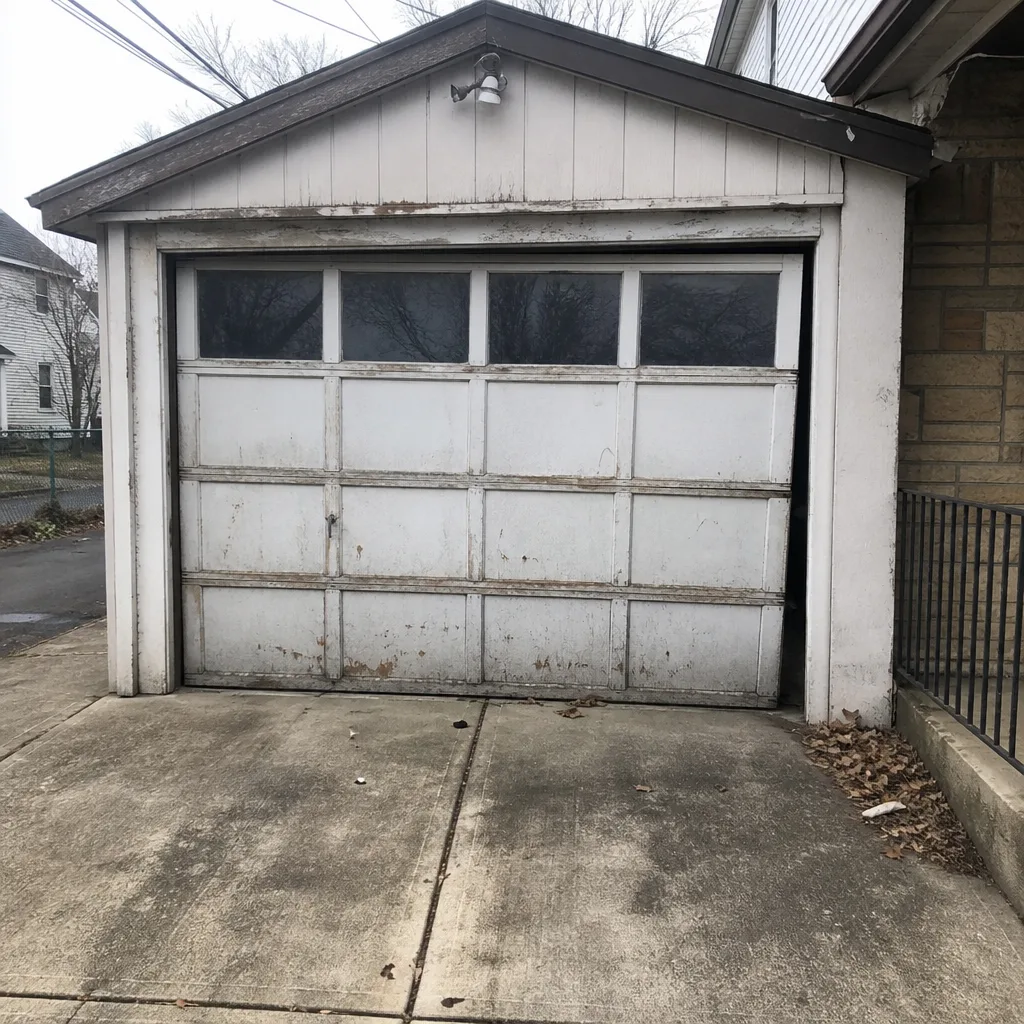 Before
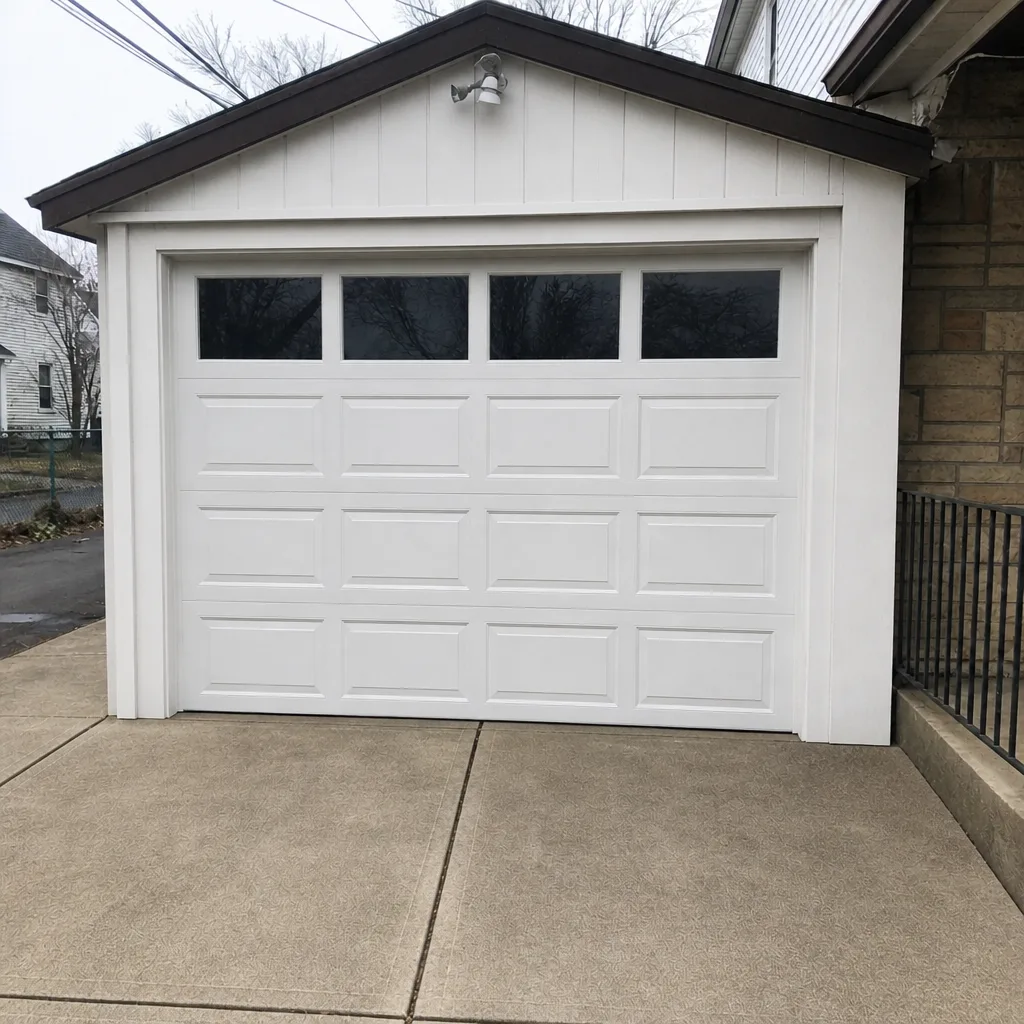 After
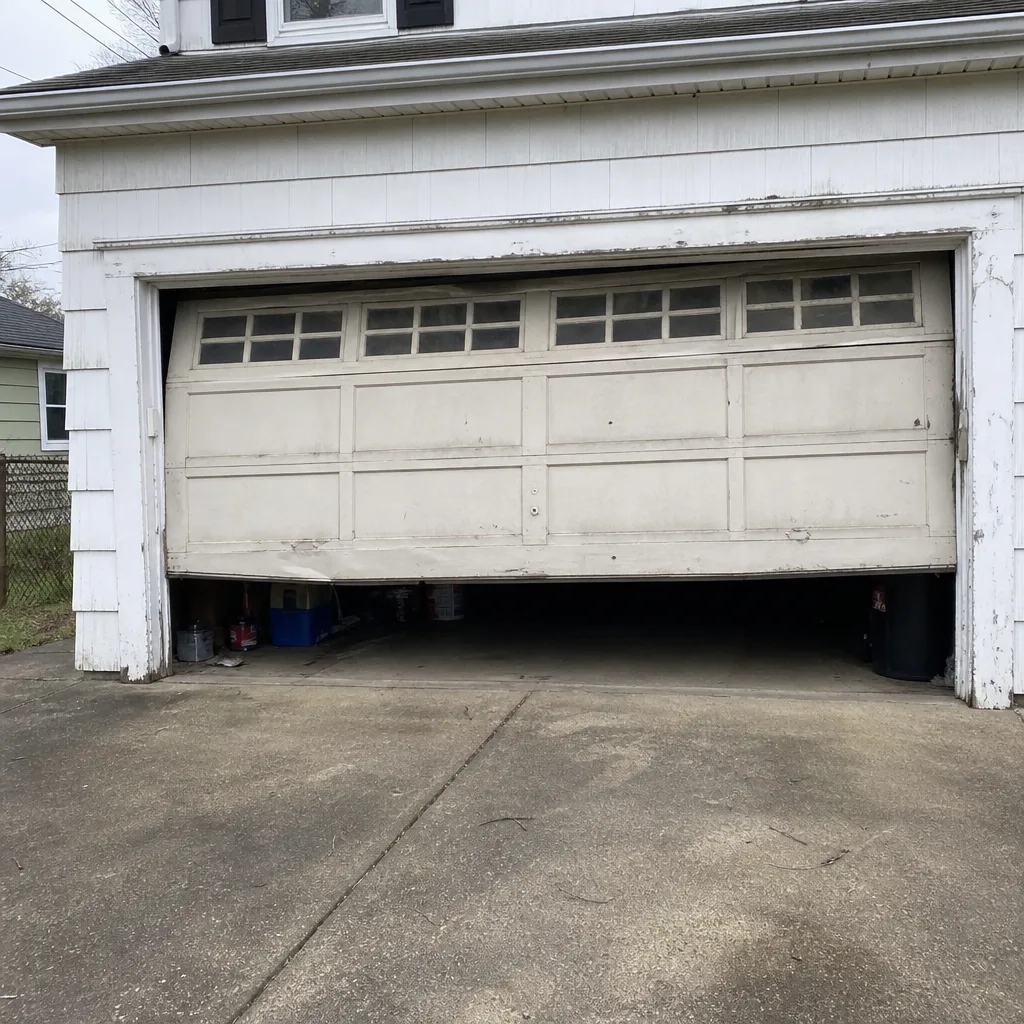 Before
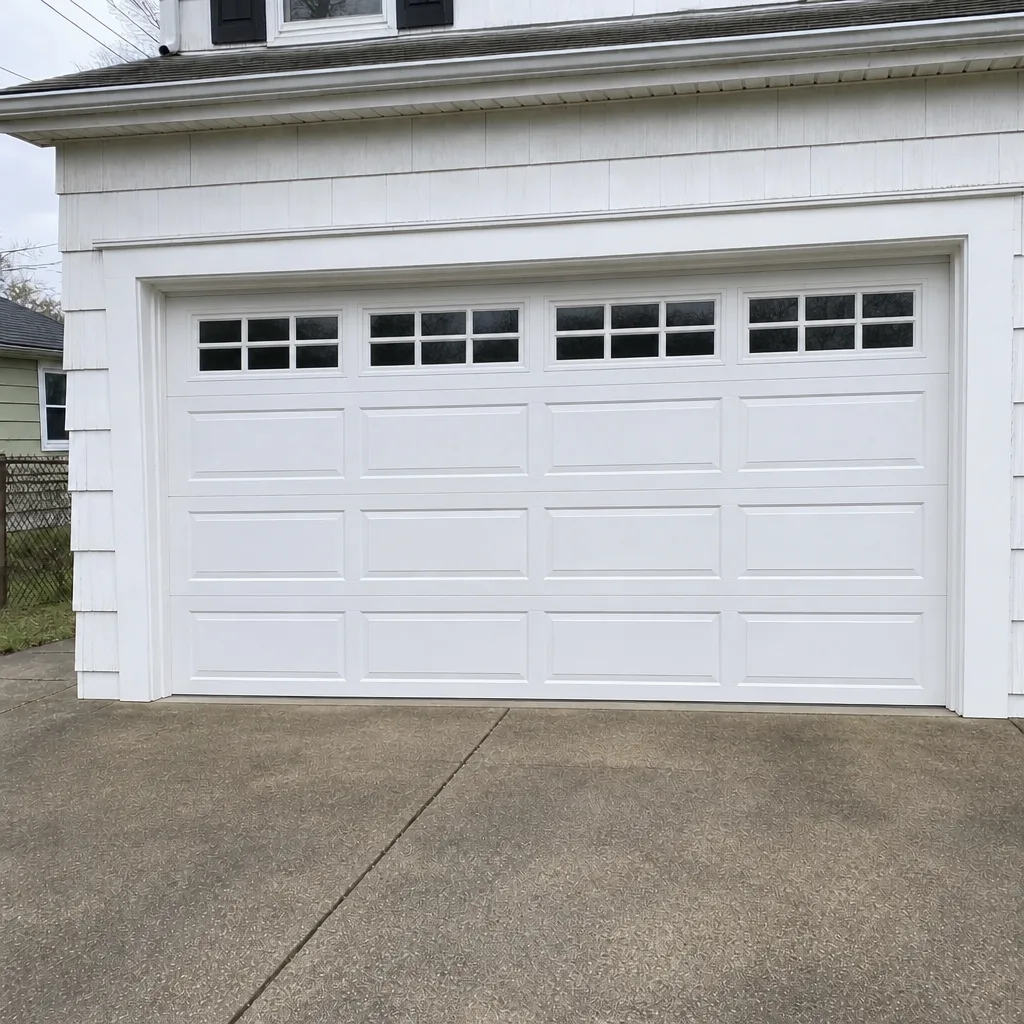 After
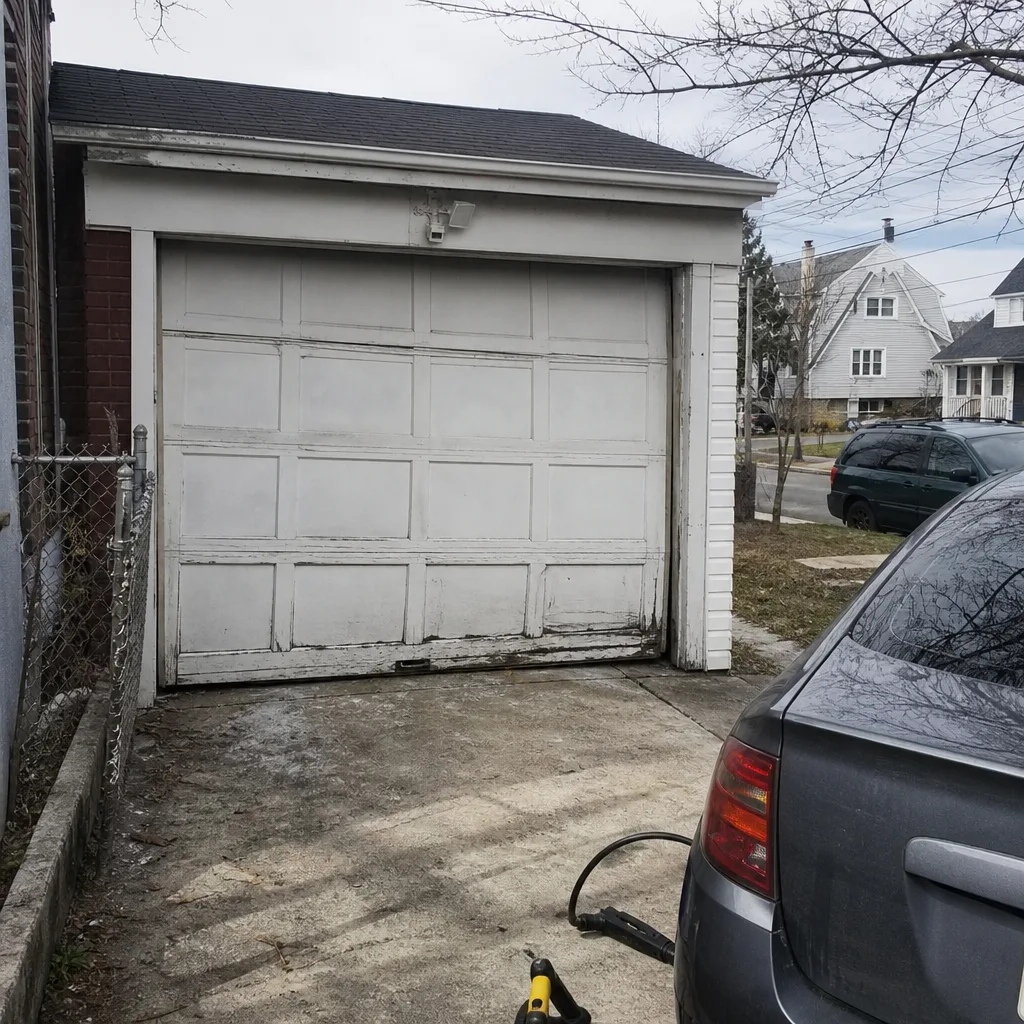 Before
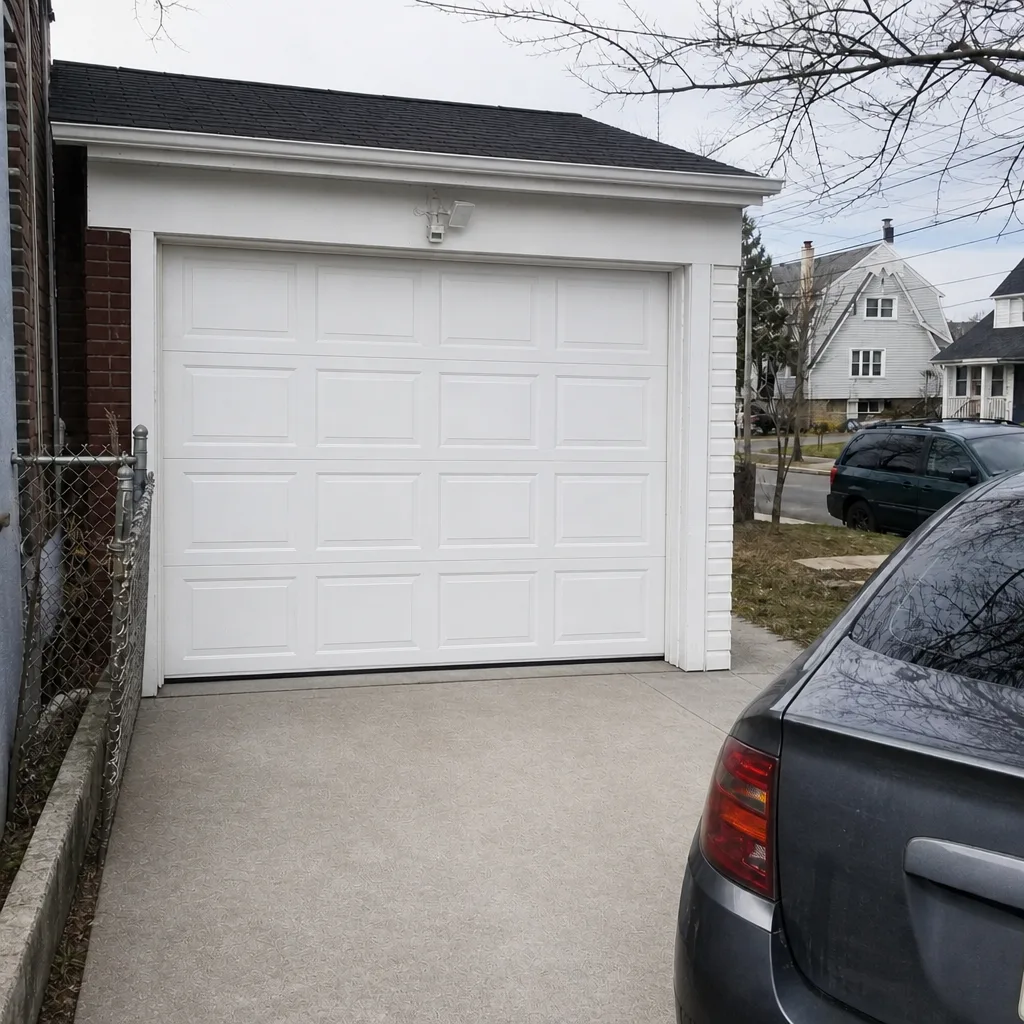 After