
Last updated November 14, 2026
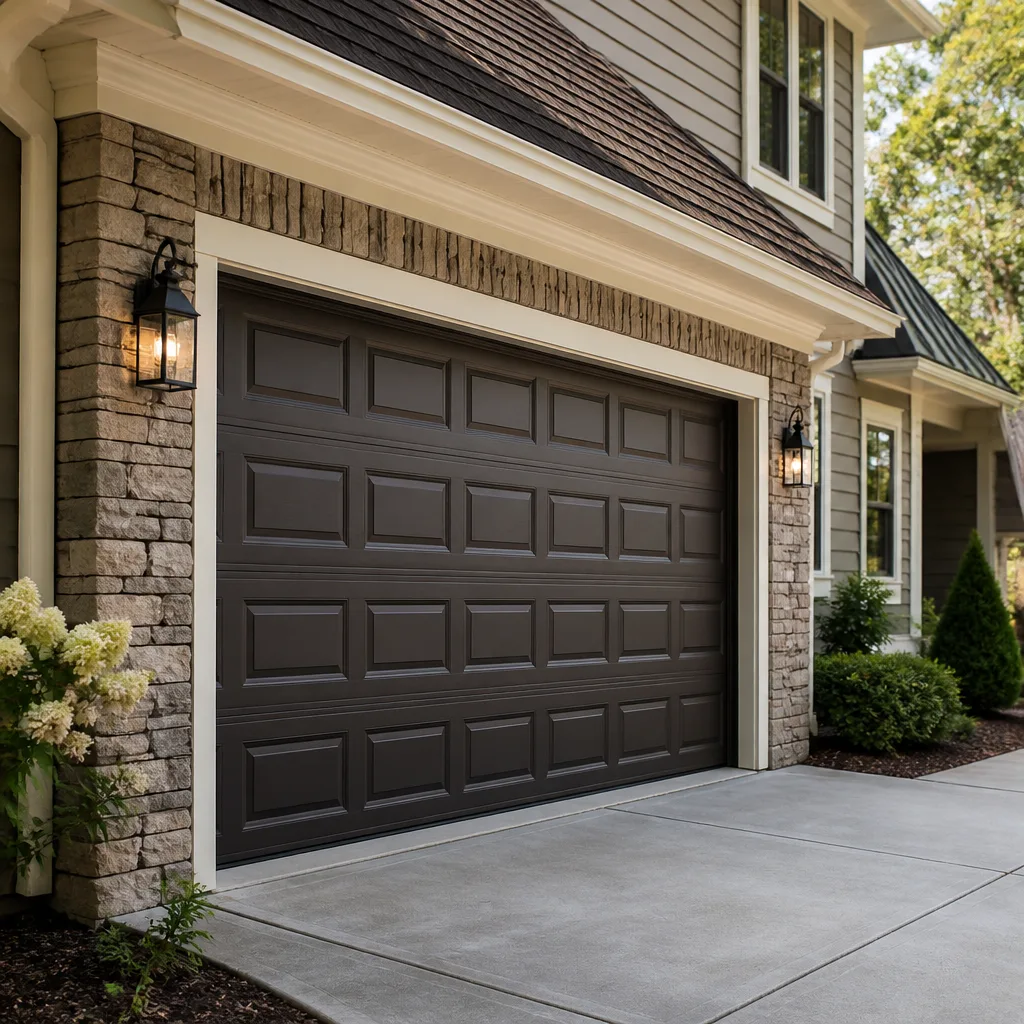 Raised-panel steel
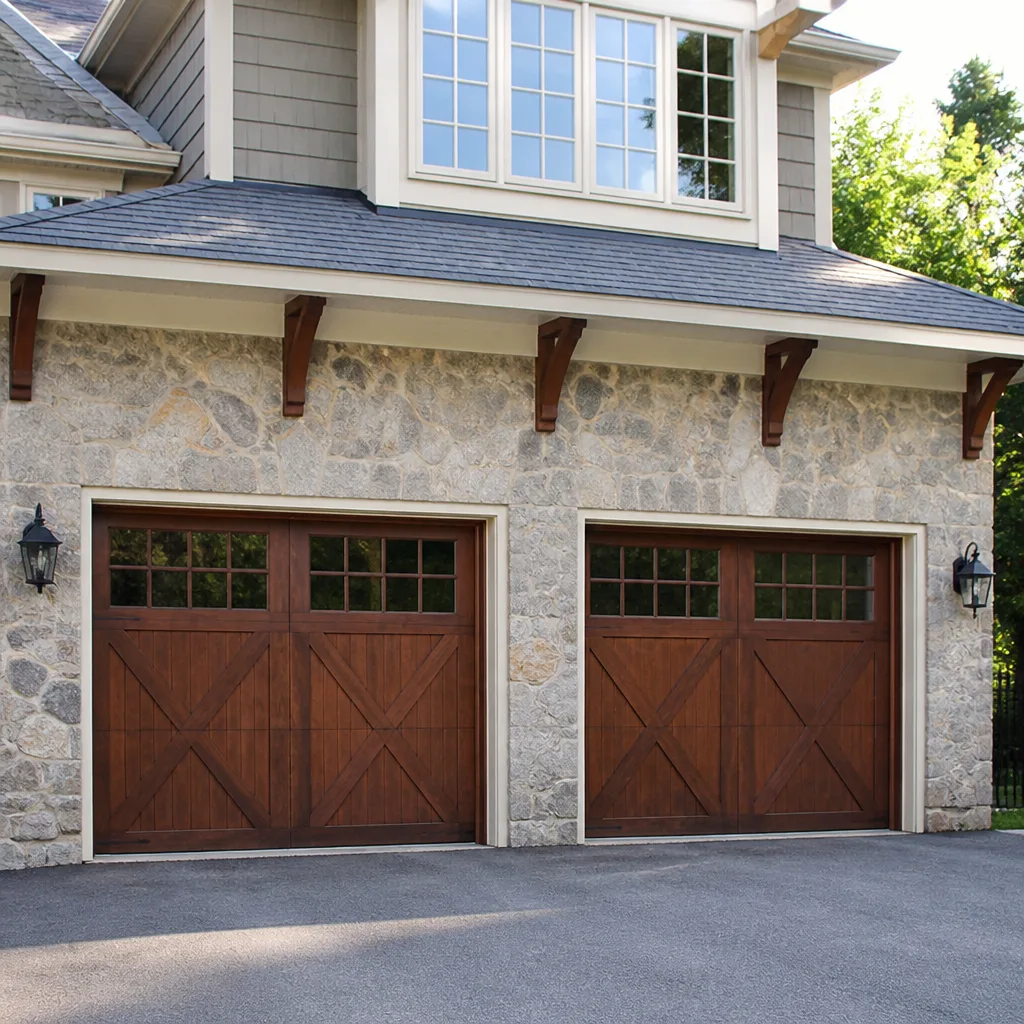 Carriage house
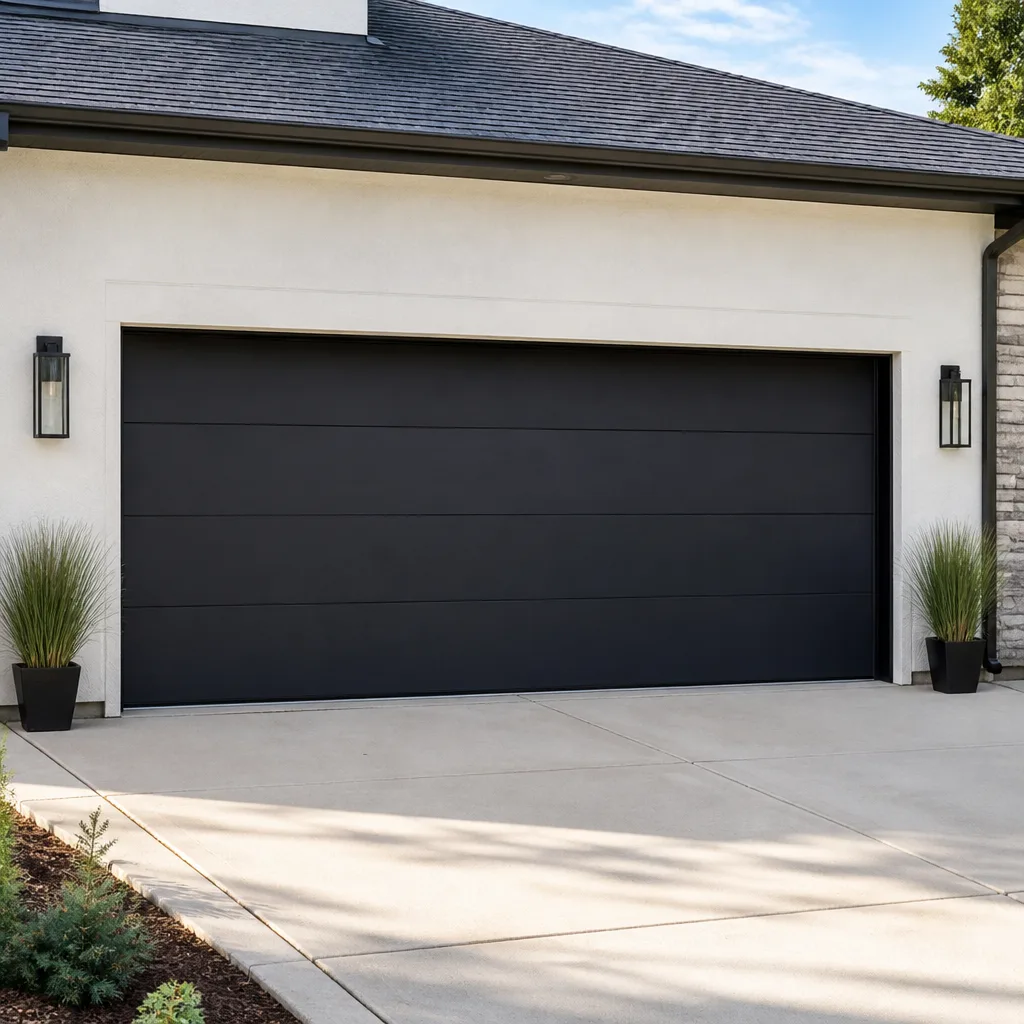 Modern flush
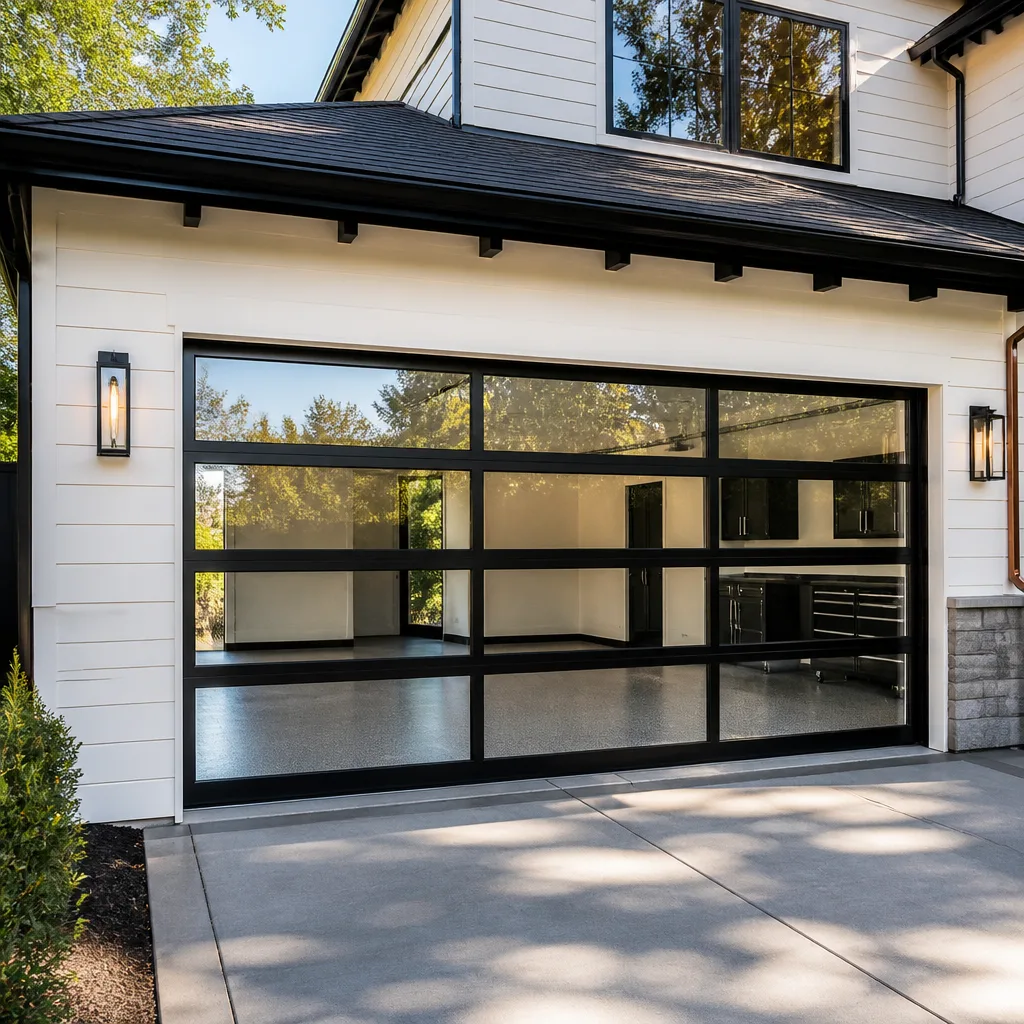 Full-view glass
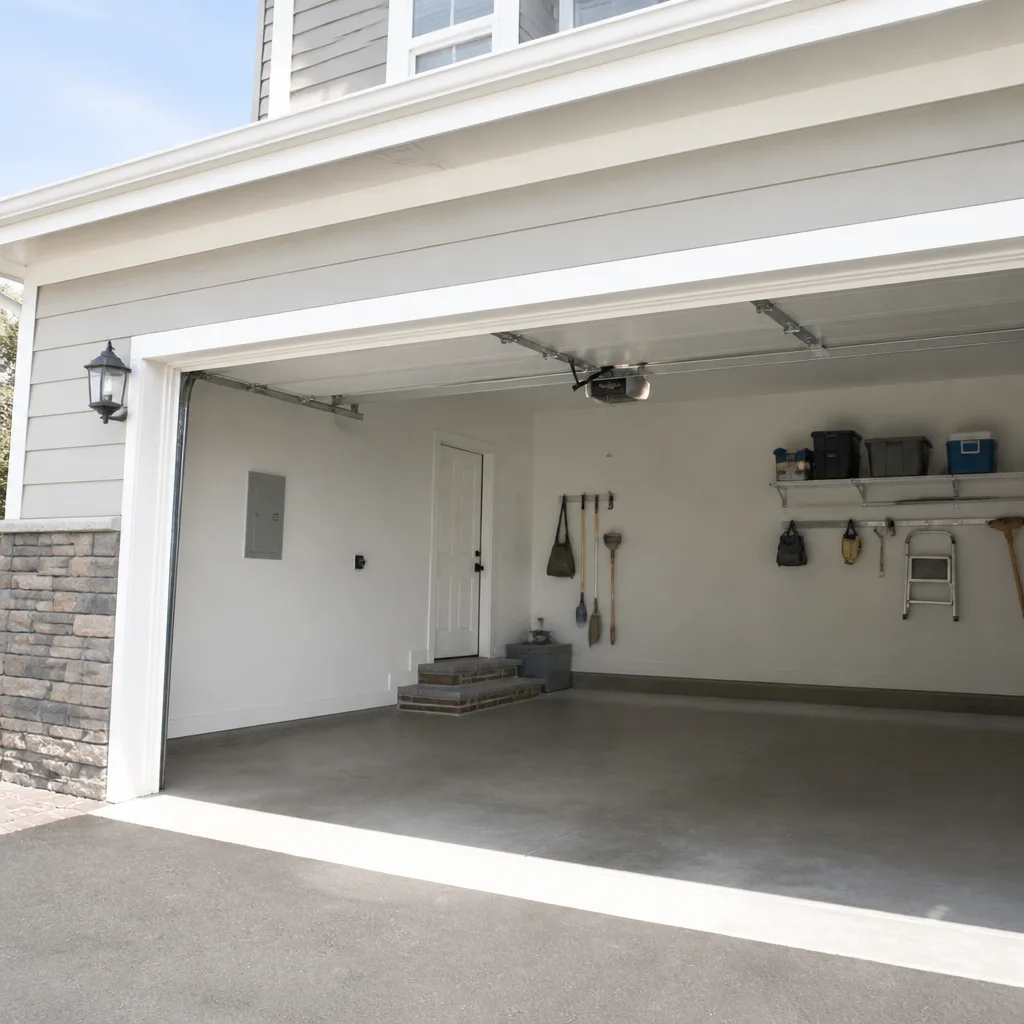 LiftMaster openers
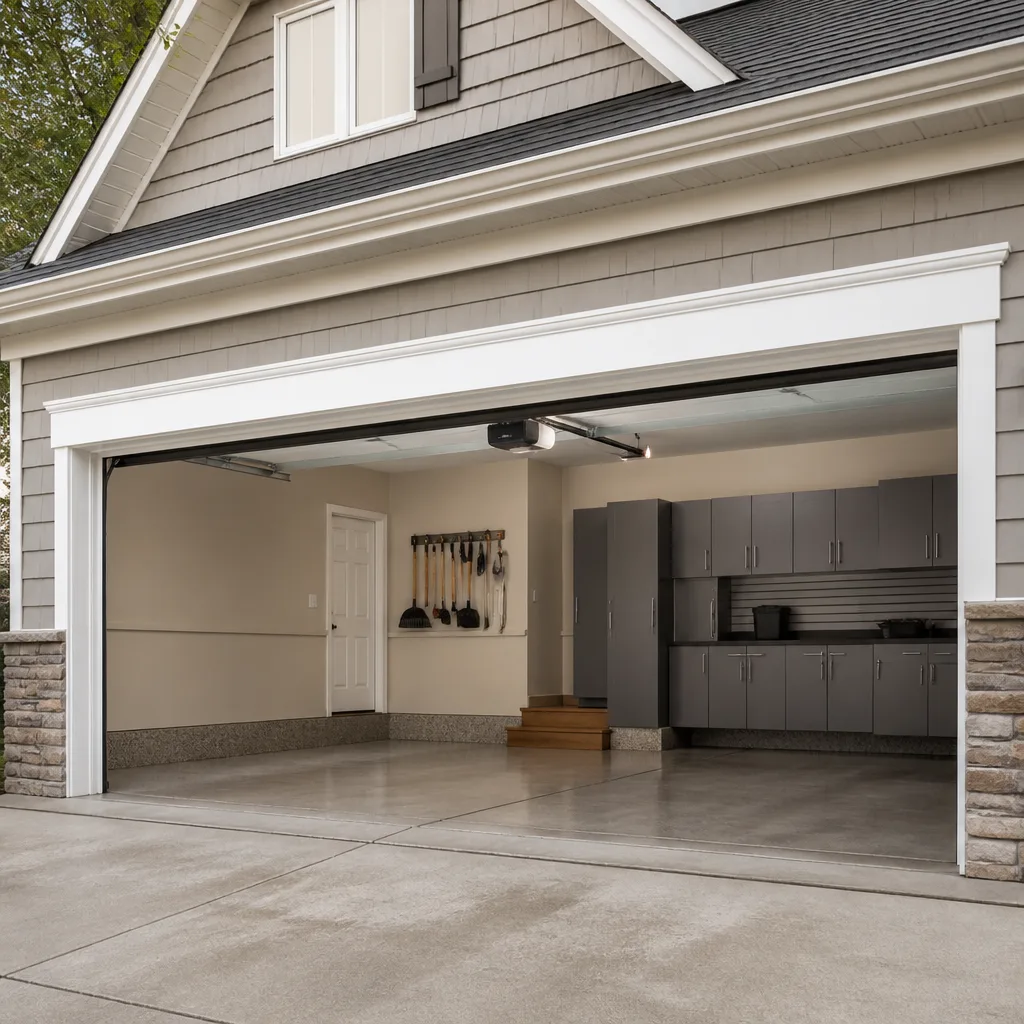 Chamberlain openers
Full 25-point door and opener safety check with every visit - springs, cables, rollers, tracks, and your LiftMaster or Chamberlain opener included
You get a price before we start. It does not change when the pro arrives.
Get your free estimateThe Complete Guide to Garage Doors in Elizabeth
Most garages in Elizabeth were built before the 16-foot double-wide door became the default. That single fact shapes almost everything about a garage door project here, from whether a “standard” replacement will actually fit to whether a technician has room to hang a new track on a narrow shared lot. Plenty of doors that look like a simple swap turn out to need header work nobody planned for. This guide maps Elizabeth’s housing stock to the door and opener systems that actually work in it, covers how the city’s humid summers and gritty street air treat each material, explains the repair-or-replace decision honestly, and walks through the permit question that trips up a lot of Union County projects. If you own a garage in the city, this is written for the door you have.
Quick Answer
A garage door in Elizabeth usually comes down to three decisions: whether the existing door can be repaired rather than replaced, what size and header clearance your home actually allows, and which material survives the city’s humidity and street grime. Most older Elizabeth doors can be repaired if the panels and framing are sound, while doors on narrow shared lots often need a custom width or a low-headroom opener. Every project should start with a free on-site measure and a written estimate, because standard sizing assumptions are where most Elizabeth jobs go wrong.
Styles & brands we work with
- Raised-panel steel
- Carriage house
- Modern flush
- Full-view glass
- LiftMaster openers
- Chamberlain openers
Table of Contents
- How Elizabeth’s Housing Stock Shapes Your Door
- Measuring Header Clearance, Track Space, and Opener Placement
- Which Door Materials Hold Up in Elizabeth
- Working With Narrow Driveways and Shared Lots
- Repair or Replace? How to Decide
- Choosing and Repairing an Opener
- Permit Triggers in Elizabeth and Union County
- Matching Door Types to Home Types
How Elizabeth’s Housing Stock Shapes Your Door
Elizabeth’s neighborhoods are not one market. Walk a few blocks and the door challenge changes completely.
In the older colonial and row home sections, garages are frequently detached, shallow, and built to dimensions that predate today’s catalog doors. A garage opening is often a little narrower or a little shorter than the 16-by-7-foot standard that most manufacturers build around, which means an off-the-shelf door will not simply drop in. The header above the opening is the other issue. Older construction used beam sizes and clearances that leave less room than a modern door and its hardware expect. When a replacement needs a taller opening or a heavy torsion system, the framing may need to be reinforced first, and that is structural work a homeowner rarely budgets for.
Postwar ranches on larger lots are more forgiving. These garages tend to have wider openings and more headroom, so a standard size works and the main question is opener placement and ceiling clearance. Row homes and denser blocks introduce a third constraint: a garage that shares a wall or a driveway apron with a neighbor, which limits how a technician can stage ladders, tracks, and panels.
- Older colonials and row homes: non-standard openings, tight headers, detached shallow garages.
- Postwar ranches: wider openings, more ceiling room, easier standard sizing.
- Dense blocks and shared lots: narrow aprons and shared walls that restrict access.
This is why an Elizabeth door project has to start with a real measurement of your specific garage, not an assumption about what “standard” means.
Measuring Header Clearance, Track Space, and Opener Placement
Three measurements decide what door and opener will fit in an Elizabeth garage. Getting them right up front prevents a replacement that arrives and will not install.
- Opening width and height. Measure the finished opening, not the door itself. Note any sag or out-of-square framing, which is common in older construction.
- Header clearance. This is the space above the opening, between the top of the door and the ceiling. A torsion-spring door needs more of it than an extension-spring door. Low clearance pushes you toward a specific spring type or a low-headroom opener.
- Track and side room. Standard vertical and horizontal track needs a set amount of side clearance to mount. Narrow garages may call for low-profile or side-mount track.
- Ceiling height and opener placement. A ceiling-mounted opener needs headroom above the door’s travel path. Where headroom is short, a jackshaft or wall-mount opener solves the problem.
- Driveway apron and approach. The slope and width of the apron affect how the door clears and how equipment reaches the site.
On a dense block, a technician may find there is no room to set up a ladder above the door, which changes the plan. That is not a reason to skip the job; it is a reason to measure and plan before ordering. If you are weighing the door itself against the machinery, our garage door opener repair page covers the motor and smart-opener side of the system in more depth.
Which Door Materials Hold Up in Elizabeth
Elizabeth’s climate is humid in summer and cold in winter, and the city’s streets throw off grit and grime. That combination treats materials differently than a dry or rural setting would.
Steel is the most common residential door material and holds up well, but the humidity means moisture can collect and rust can start at the bottom edges and hinges if the finish is worn. A steel door with a good finish and regular cleaning lasts. Insulated steel is the practical choice for a garage attached to the living space, because it manages both temperature and door weight.
Aluminum resists rust, which suits a damp climate, but it dents and flexes more than steel. On a narrow driveway where a car door or a bike is likely to brush the panel, steel or a heavier composite is more forgiving.
Wood and composite look right on older colonials and historic homes, but wood needs painting and attention in humid weather. Composite and wood-look steel give the older-home appearance without the maintenance. For grime, the practical answer is a smooth, cleanable surface and a wash a couple of times a year, not a specialty product.
Whichever material you choose, the brand matters less than the fit. We work across the leading panel brands, including Clopay, and the opener platforms from LiftMaster and Genie, because the right answer is the one that fits your garage and budget, not a house brand we happen to push.
Working With Narrow Driveways and Shared Lots
Plenty of Elizabeth garages sit at the end of a driveway that barely fits a car, off an alley, or against a shared wall. This is a real constraint, and generic national guides ignore it.
- Custom widths. When an opening is narrower than standard, a custom-size door is the honest fix rather than forcing a catalog door and living with a poor seal.
- Side-mount or jackshaft openers. A wall-mounted opener replaces the ceiling unit and frees up overhead space, which helps on shallow or low-ceiling garages.
- Low-clearance track. Where the ceiling is low, low-profile track lets a standard door operate without major structural change.
- Staging plan. On shared lots, old panels and equipment come out through the same narrow apron they went in, so the plan has to account for access on both ends.
None of this is exotic. It is what a technician who works Elizabeth blocks learns to expect. The point is to sort the access problem out during the measure, before anything is ordered.
Repair or Replace? How to Decide
For the aging doors common in older Elizabeth homes, the repair-or-replace call is usually clearer than it feels. Lean toward repair when the door’s structure is sound and the problem is mechanical or cosmetic. Lean toward replacement when the panels, framing, or track are failing in several places at once.
Repair is the right answer when:
- The door is dented or faded but the panels and framing are solid.
- One spring, cable, roller, or hinge has failed. These are serviceable parts.
- The opener has stopped working but the door itself moves and balances.
- The door is off its track or noisy but not physically bent or rotted.
Replacement makes more sense when:
- Multiple panels are rusted through, cracked, or rotted, or the bottom section is failing.
- The framing or track is bent, worn, or out of square in a way that keeps coming back.
- The door was never the right size for the opening and sealing has been a persistent problem.
- You want insulation and better security on a door that is beyond economical repair.
The honest rule is repair before replace. A good technician will tell you when a part replacement solves the problem and won’t push a new door you don’t need. Where the door itself needs work, our garage door repair service covers springs, cables, tracks, rollers, and panels, quoted before anything starts.
Choosing and Repairing an Opener
The opener is where a lot of Elizabeth door problems actually live, and it is the part many general handymen avoid. A door that “won’t work” is often a motor, sensor, or control-board issue rather than a door issue.
When an opener fails, the fix depends on the platform. LiftMaster and Chamberlain units share a lot of common architecture, Genie has its own logic, and the older Craftsman systems still running in many garages have their own parts and diagnostics. A technician who knows the platform diagnoses faster than one who has to guess. We carry certified service across all eight of the major residential brands, so whatever is bolted to your ceiling, there is a good chance we already know its service procedures.
If you are choosing a new opener, match it to the garage rather than to the feature list. A chain-drive unit is reliable and economical but louder; a belt-drive unit is quieter and better for a garage under a bedroom. Smart-home capability is worth it if you want to check or open the door from a phone. The wall-mount and jackshaft options solve the low-headroom problem covered above. Whatever you pick, it should be sized to the door’s weight and travel, because an undersized motor is a short-lived one.
For the full range of motor, sensor, remote, and smart-opener issues, see our garage door opener repair guide, and for the door-side work, the garage door repair service.
Permit Triggers in Elizabeth and Union County
Whether a garage door project needs a permit depends on what the work touches. A like-for-like door replacement, swapping a door of the same size and type, is often handled differently than a project that alters the opening, the header, or the structure.
Work that changes the structural opening, reinforces or cuts a header, or alters the garage’s framing generally draws more scrutiny than a straight swap. Because permit rules are set by the local building department and can shift, the honest answer is to check before you start. Call the City of Elizabeth building department and describe exactly what you plan to do. Ask specifically whether your project needs a permit, whether the work requires an inspection, and what the inspection covers.
- Describe the exact scope: same-size replacement, new size, header work, or opener only.
- Ask whether a permit is required and what it costs.
- Ask whether the finished work needs an inspection and when.
- Get the answer in writing if you can, and keep it with your project records.
We won’t tell you a permit is or isn’t required for your specific job without knowing the details, and neither should anyone else over the phone. The building department is the authority. Build a little time into the schedule for it, especially on a project that changes the opening.
Matching Door Types to Home Types
The door style should follow the house. Here is how the common Elizabeth home types tend to map to door choices.
- Older colonials: a raised-panel or carriage-style door in steel or composite reads right and hides the age of the opening. Repair is often the better first move if the panels are intact.
- Row homes: a compact, durable door with good sealing, often insulated steel. Narrow openings may call for a custom width.
- Postwar ranches: standard-width sectional doors fit comfortably; insulated steel or aluminum works well, and the wider opening gives room for a conventional opener.
- Attached garages: insulation and a well-sealed door matter more when the garage shares a wall with living space, so favor insulated panels and a tight perimeter seal.
Style is the last decision, not the first. The size, clearance, and material suitability come before the look, because a beautiful door that doesn’t fit your header or seal against Elizabeth’s weather is a problem dressed up as an upgrade.
Common Mistakes to Avoid
- Assuming “standard” will fit. Older Elizabeth garages often have non-standard openings, and ordering a catalog door before measuring can strand you with a door that won’t install without structural work.
- Ignoring header clearance. Choosing a torsion-spring door or a ceiling opener without checking the space above the opening leads to surprises during install. Measure first.
- Letting a small rust spot become a rotted panel. In a humid city, a worn finish at the door’s bottom edge spreads. Clean and touch up early rather than waiting for replacement.
- Replacing a door when the opener is the problem. A dead motor or failed sensor is not a reason for a new door. Diagnose the door and the opener separately.
- Overlooking the driveway and shared-lot access. On a narrow Elizabeth block, the plan has to account for how equipment and old panels move in and out. Ignoring this stalls a job mid-install.
- Skipping the permit question. Any project that touches the opening or framing deserves a call to the building department first. Guessing is how inspections turn into rework.
- Choosing a door brand over a door fit. A name on a panel means less than correct sizing, clearance, and sealing for your specific garage.
See the difference
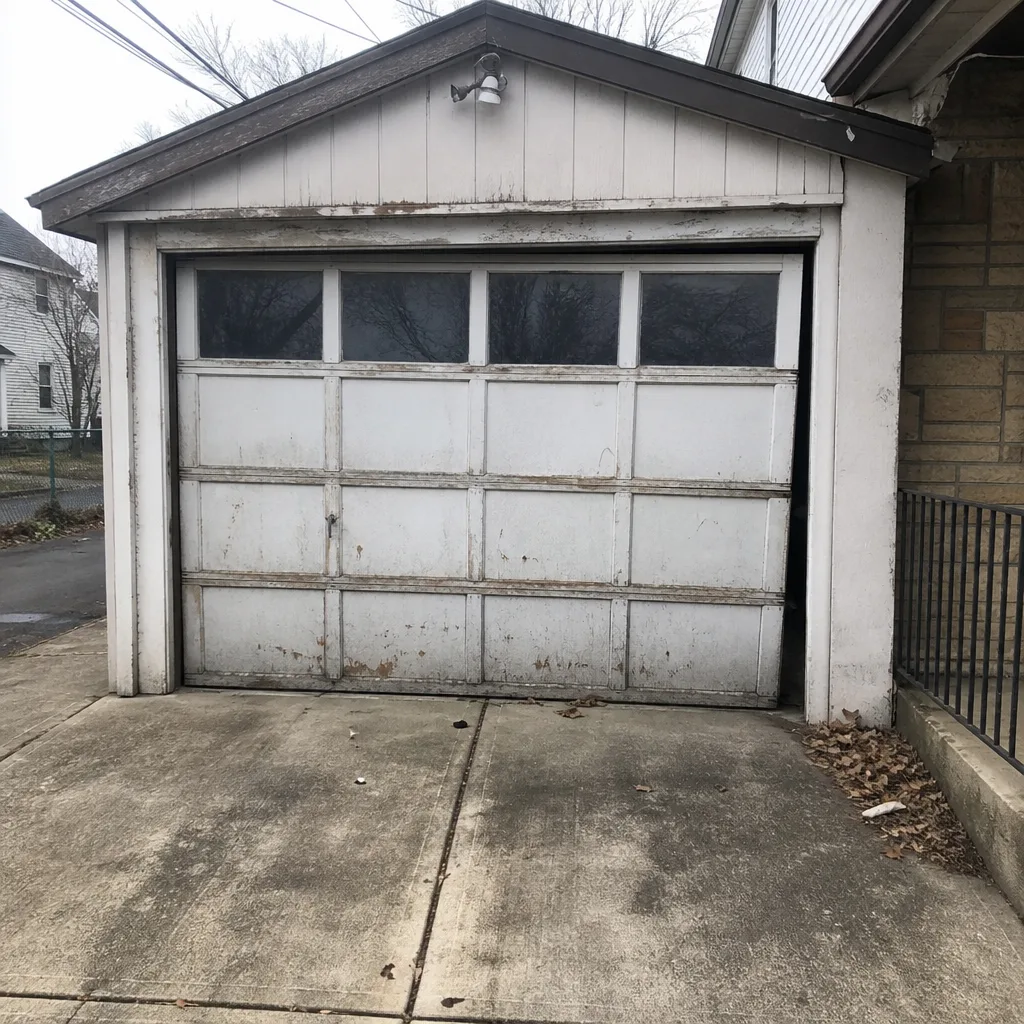 Before
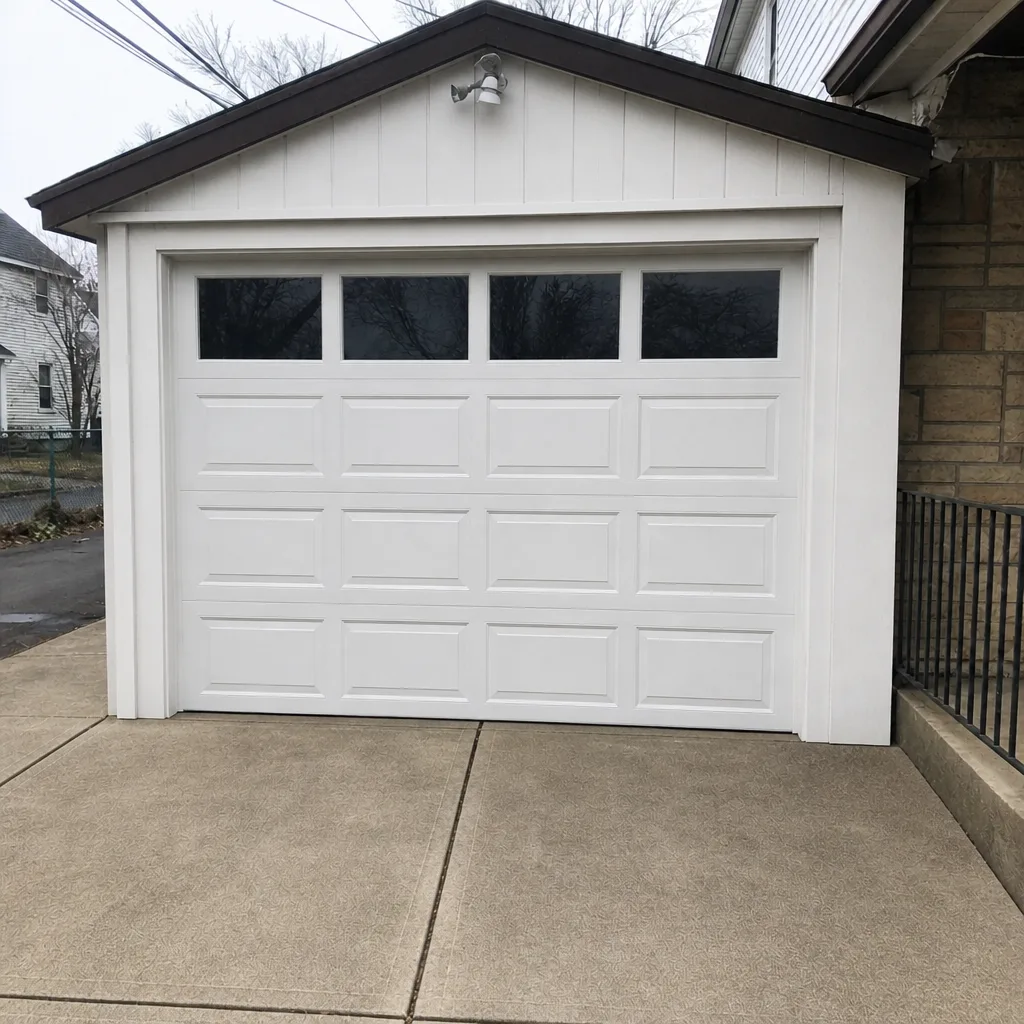 After
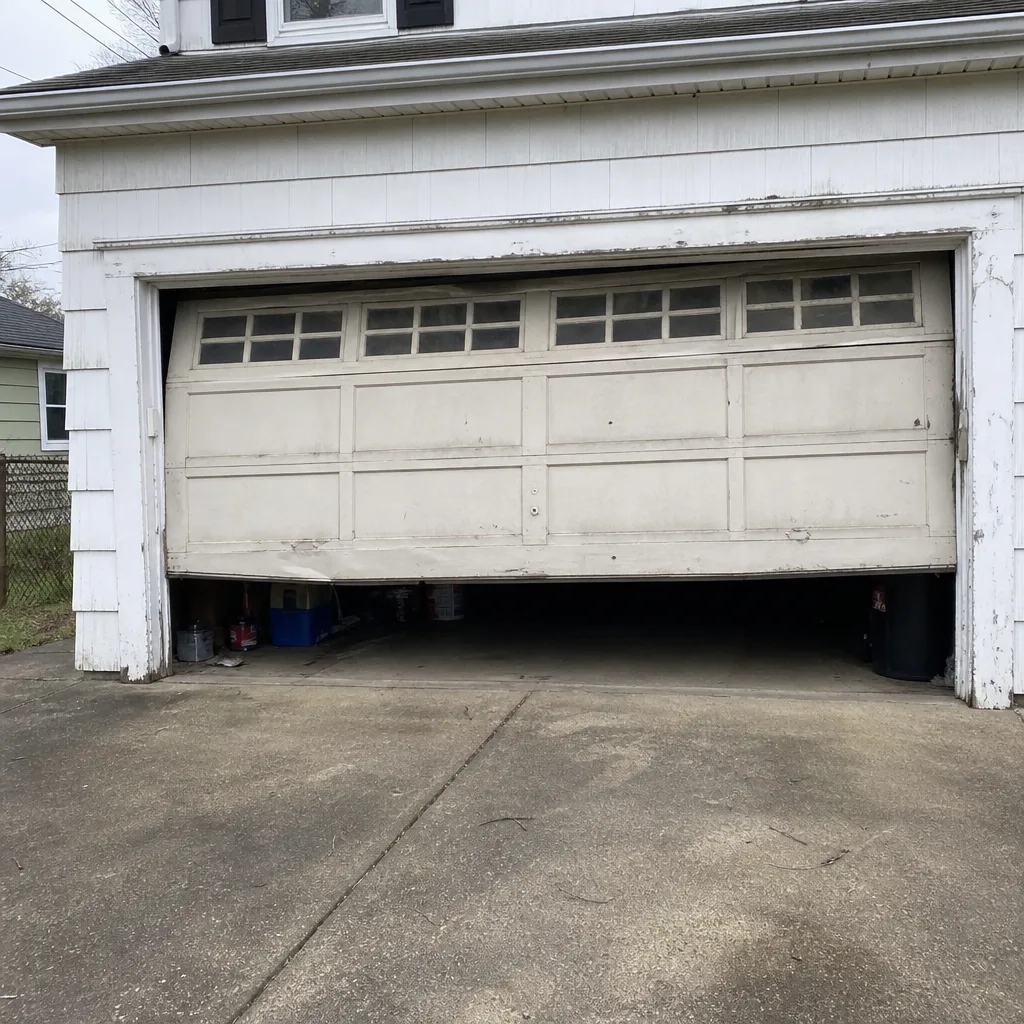 Before
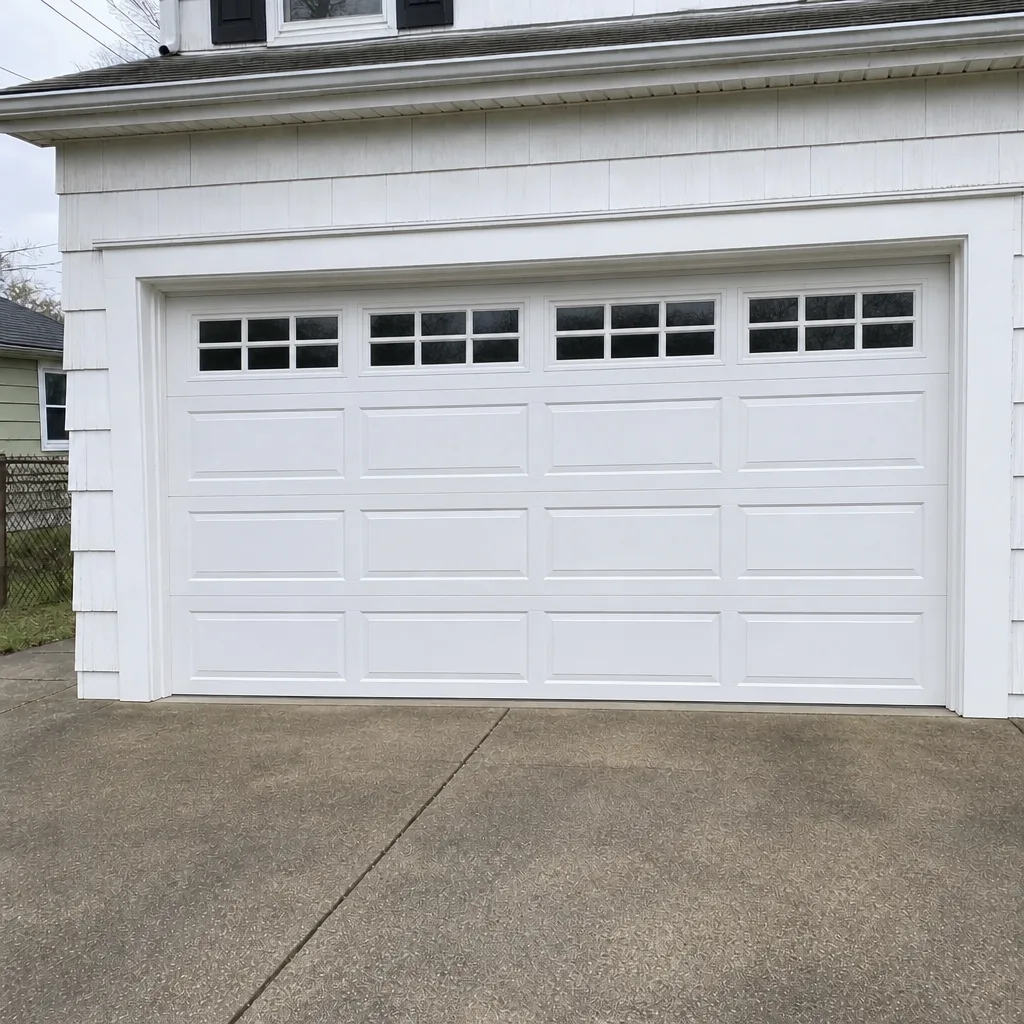 After
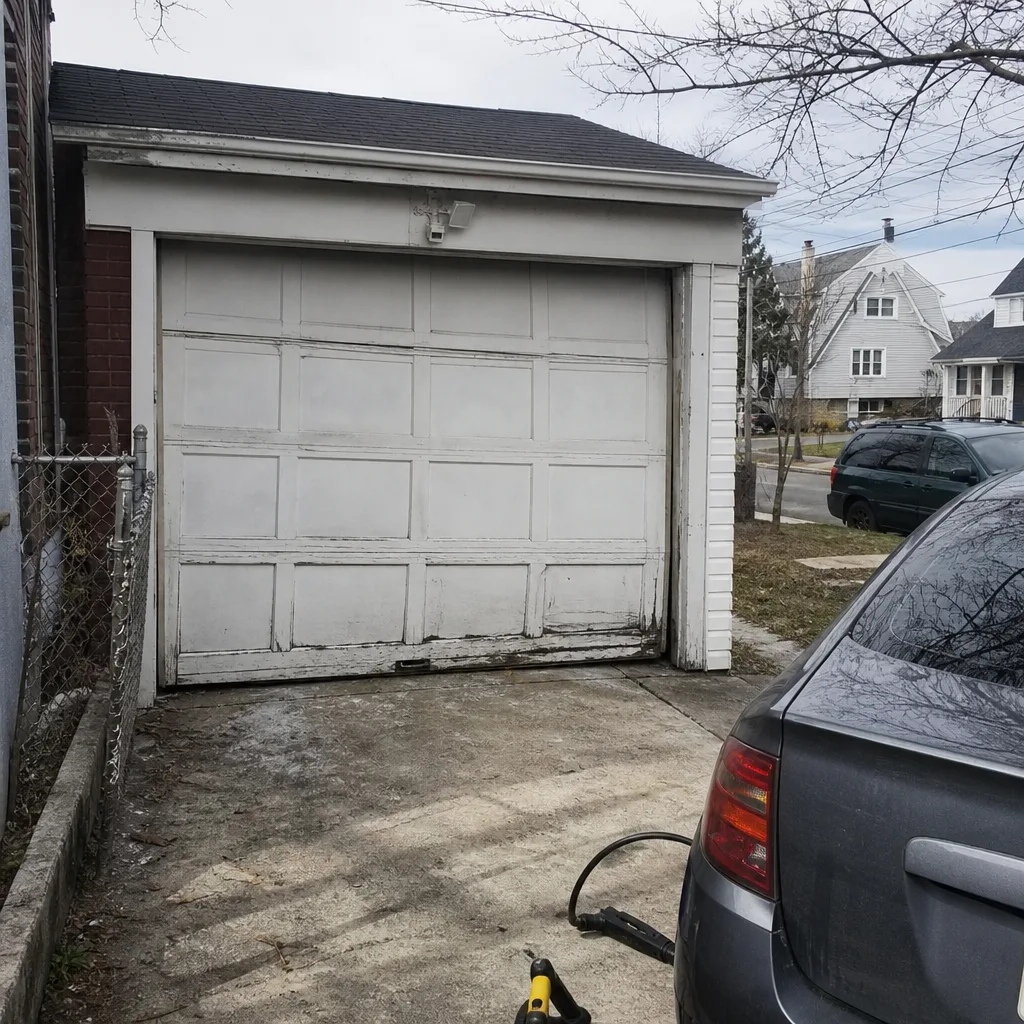 Before
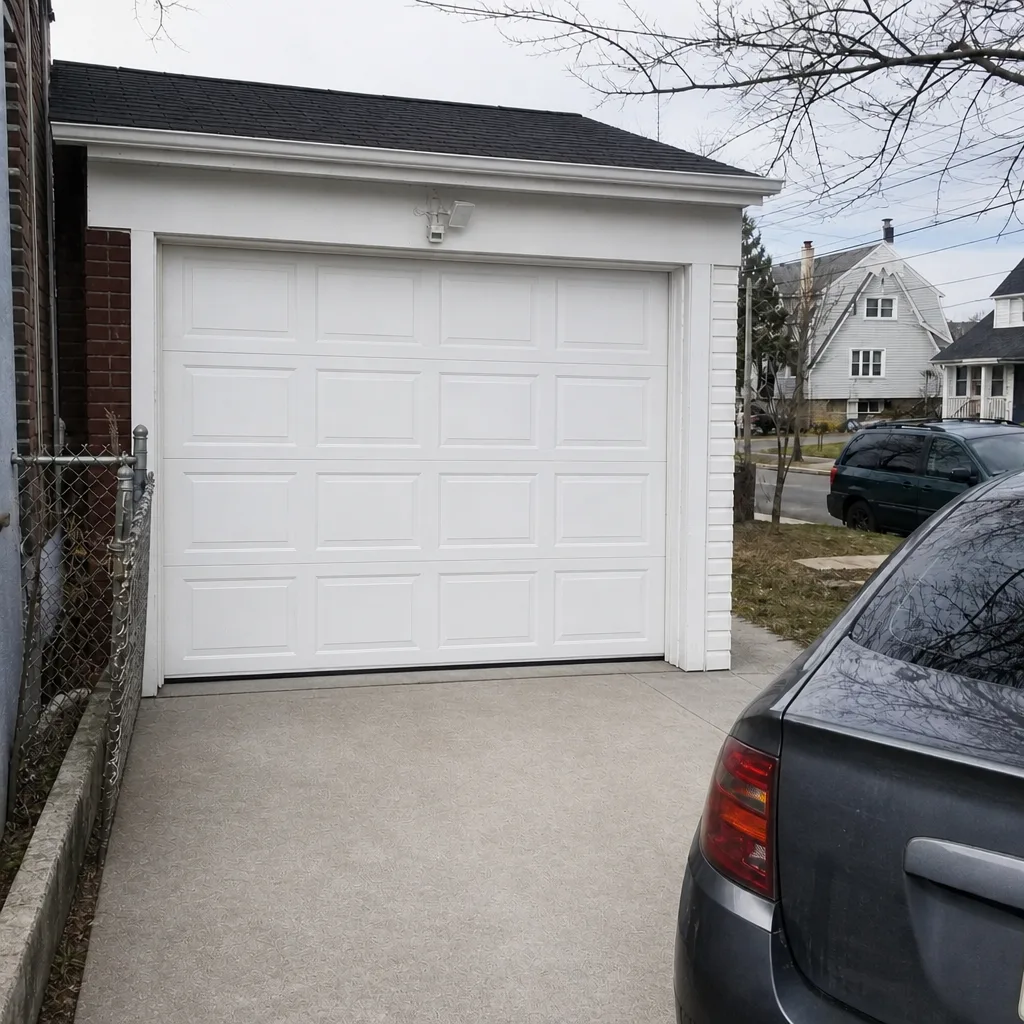 After
When to Call a Professional
Some jobs are a phone call to a professional, not a weekend project. Call when a torsion spring or cable has snapped, since those parts are under high tension and a mistake can cause serious injury. Call when the door is off its track, hanging unevenly, or the opener runs but the door doesn’t move. Call when you’re planning a replacement and aren’t sure what your header and track will allow, because a wrong measurement is expensive. Call when you want the permit question sorted before you commit. And call when a door or opener has been “sort of working” for weeks, since small failures tend to compound.
Hartwell Garage Door Repair offers free estimates in Elizabeth. Call (833) 946-9108 to get a written price before any work begins.
Frequently Asked Questions
Not always. A like-for-like door swap of the same size and type is often handled differently than a project that alters the opening, header, or structure. Because the rules are set locally and can change, call the City of Elizabeth building department and describe your exact scope before you start, and ask whether an inspection is required.
Pricing is set per job by a written estimate, so the honest answer is that it depends on what’s wrong: a single spring or cable is a small repair, while a bent track or multiple failing panels is a larger one. The estimate is free, and the price is quoted and agreed before any work starts. Call (833) 946-9108 for an exact quote.
Often, yes. Repair calls are frequently handled same-day, with fast dispatch from 7am to 7pm, Sunday through Friday. We answer 24/7, and a call outside dispatch hours gets booked into the next opening. Call (833) 946-9108 to check availability.
No. The written estimate is the price, and we don’t add charges after the fact. If we find something that changes the scope, we explain it and get your agreement before any work continues. That’s what an upfront, quoted price means.
Sometimes. Many older garages were built to dimensions that predate the current standard door, so the opening can be narrower or shorter than a catalog size. That’s why every project starts with a real on-site measure. If a custom width is needed, we’ll say so in the estimate rather than forcing a standard door.
Yes. Our technicians are state-licensed and insured, and they have up to 8 years of experience across the major door and opener brands. Call (833) 946-9108 for a free estimate.
The Bottom Line
Garage doors in Elizabeth are shaped by the housing stock as much as by the hardware. Older colonials and row homes often mean non-standard openings and tight headers, which is why measuring clearance, track space, and opener placement comes before anything is ordered. Postwar ranches are more forgiving, and the leading panel and opener brands fit fine when the sizing is right. The climate favors smooth, cleanable, insulated materials. Repair usually beats replacement until the structure itself fails. And the permit question belongs to the city’s building department, so ask early. Get a free measure and a written estimate before you commit.
Call (833) 946-9108 for a free estimate. We answer 24/7. Fast dispatch from 7am to 7pm, Sunday through Friday, and we’re closed Saturday.
Written by the team at Hartwell Garage Door Repair.