
Last updated November 14, 2026
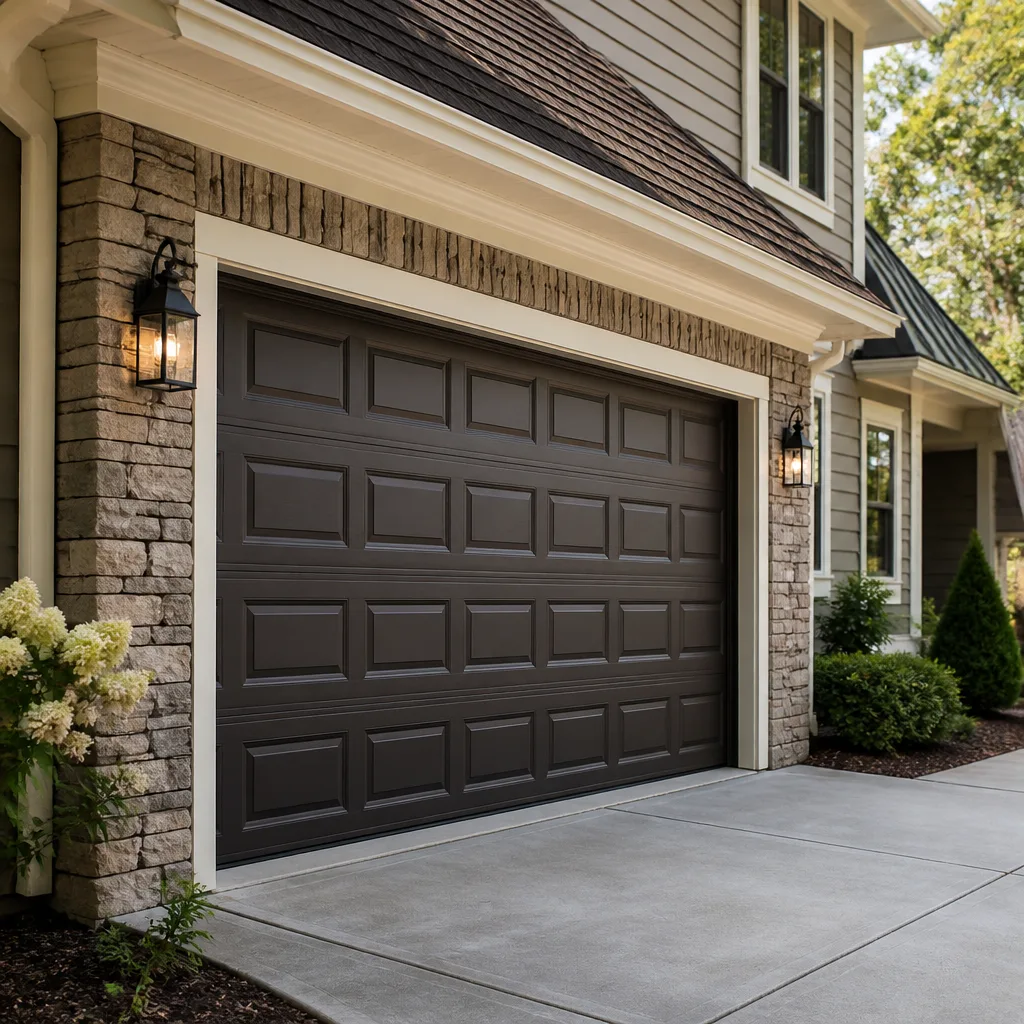 Raised-panel steel
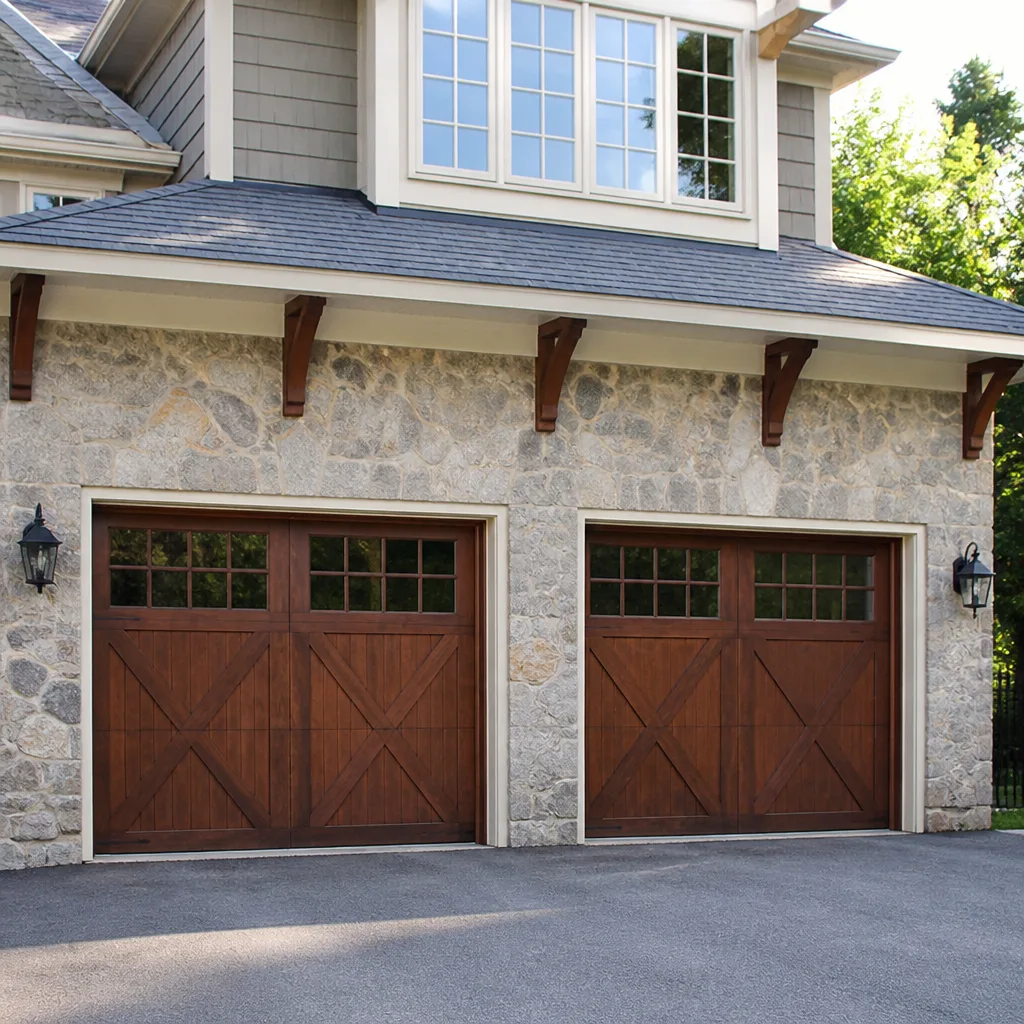 Carriage house
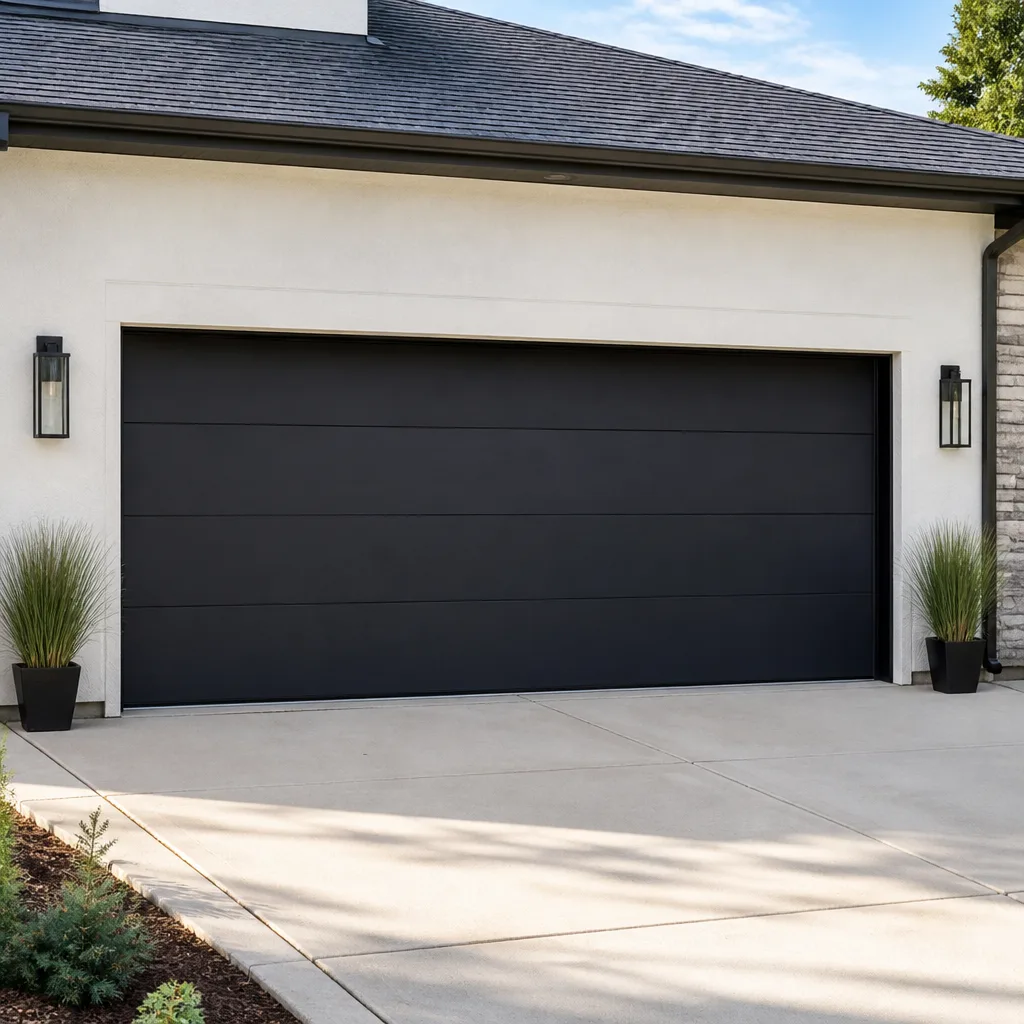 Modern flush
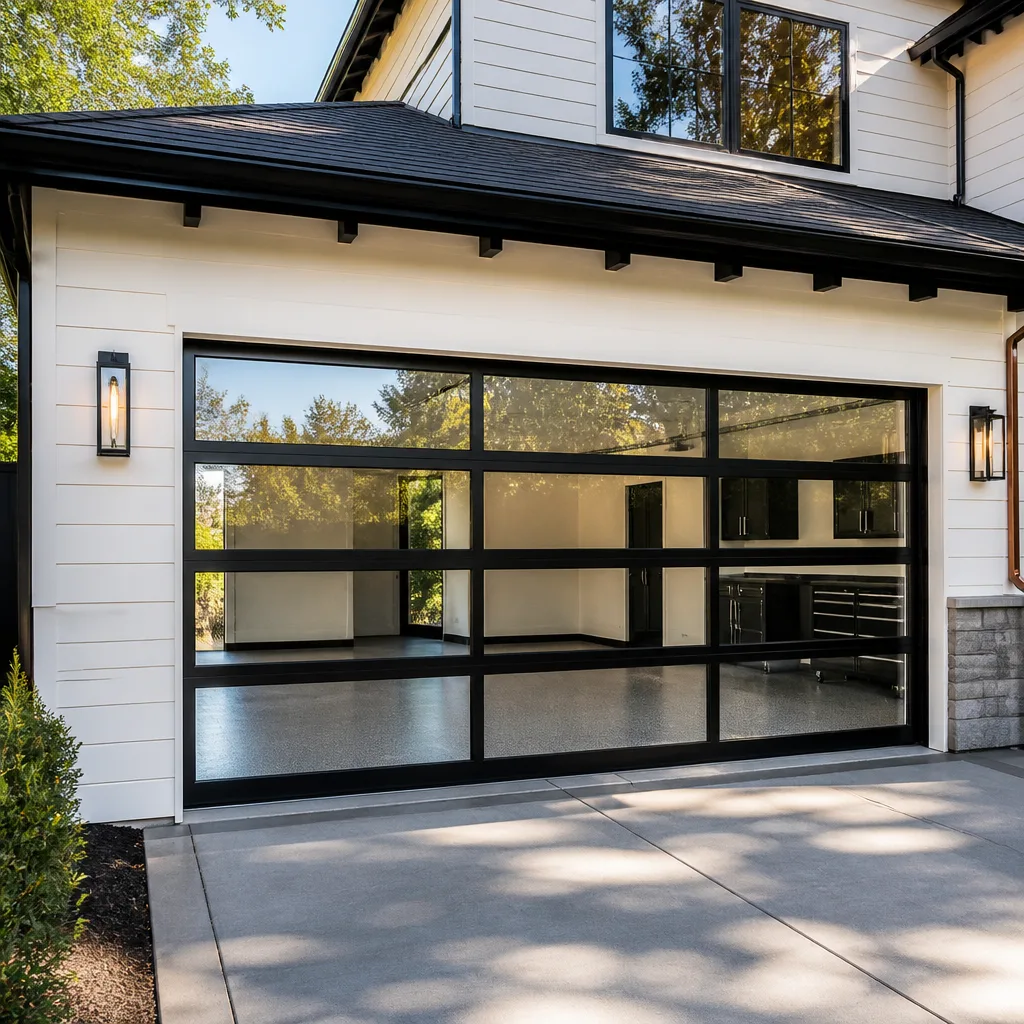 Full-view glass
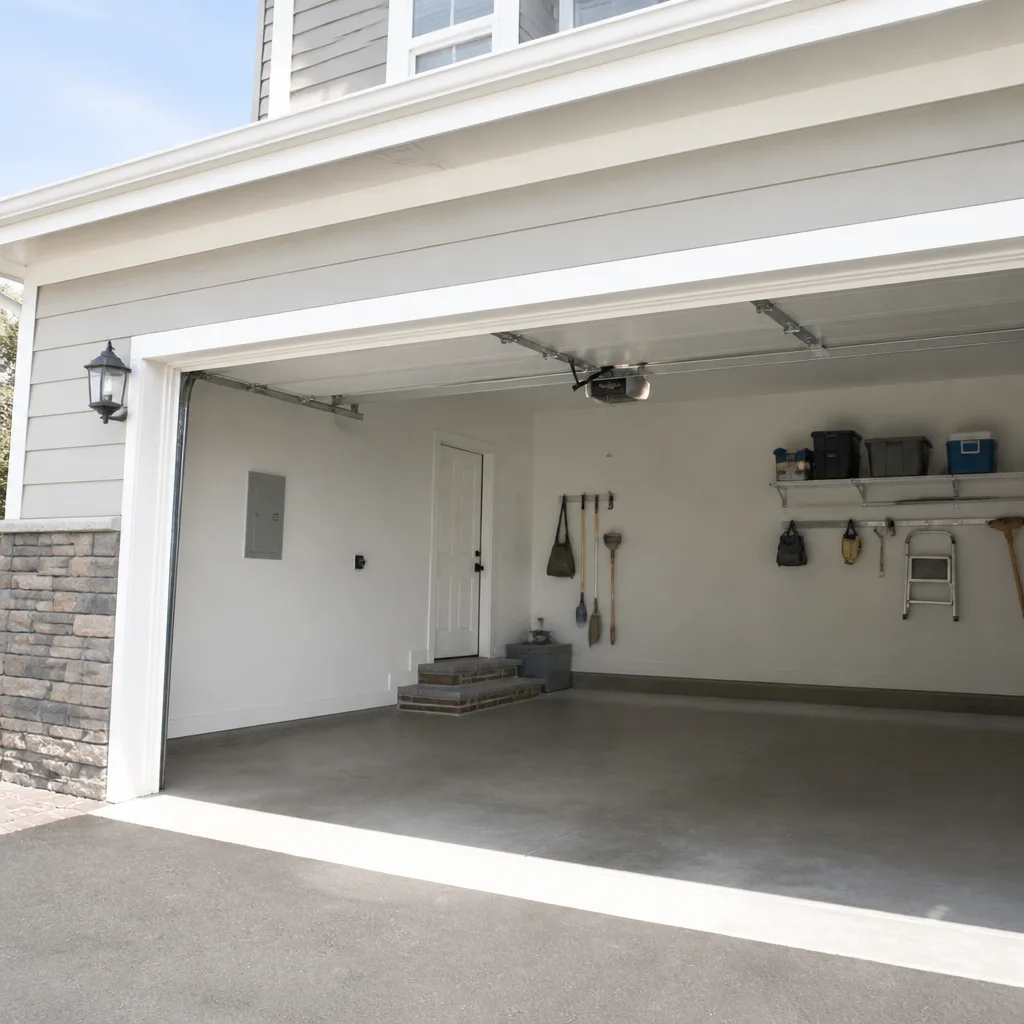 LiftMaster openers
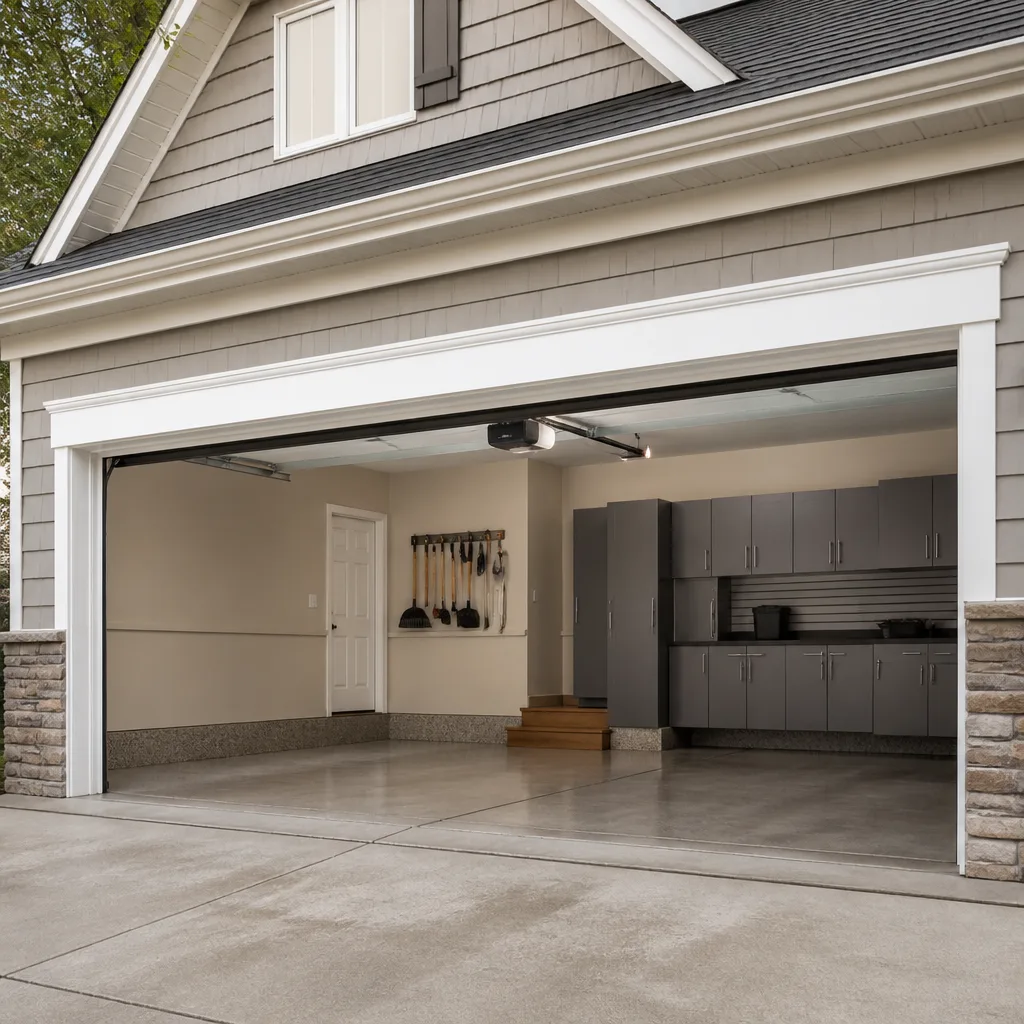 Chamberlain openers
Full 25-point door and opener safety check with every visit - springs, cables, rollers, tracks, and your LiftMaster or Chamberlain opener included
You get a price before we start. It does not change when the pro arrives.
Get your free estimateChoosing the Right Garage Door Brand: A Buyer’s Guide for Elizabeth
The most popular garage door brand in any given year is usually the one with the best dealer incentive program, not the one that performs best in mid-Atlantic weather. That distinction matters before you spend two thousand dollars on a door. Elizabeth garages deal with humid summers, freeze-thaw winters, and strong nor’easters, and a door that looks right in a showroom catalog can still be the wrong fit for a two-car detached garage on a narrow lot. This guide skips the brand loyalty pitch and shows you the four specs that actually predict how long a door lasts here, how to match material to your garage’s real conditions, and what “lifetime warranty” usually leaves out.
Quick Answer
There is no single best garage door brand for Elizabeth. The door that lasts longest is the one whose steel gauge, insulation R-value, bottom seal design, and hardware cycle rating match your specific garage’s sun exposure, moisture, and daily use. Clopay, Amarr, Wayne Dalton, and CHI all make doors that hold up well here when the spec sheet is right for the job. Brand name ranks fourth behind those four specs.
Styles & brands we work with
- Raised-panel steel
- Carriage house
- Modern flush
- Full-view glass
- LiftMaster openers
- Chamberlain openers
Table of Contents
- The Four Specs That Actually Determine Longevity in New Jersey
- How the Brands Most Common in Elizabeth Compare
- Why Parts Availability Is a Hidden Long-Term Cost
- Matching Door Material to Your Garage’s Conditions
- What “Lifetime Warranty” Really Means in Door Marketing
- Matching Your Door to Your Opener
- Questions to Ask Before You Buy
- Common Mistakes to Avoid
The Four Specs That Actually Determine Longevity in New Jersey
Garage door marketing leads with color, window options, and curb appeal. Those matter for looks, not lifespan. When we evaluate a door for an Elizabeth home, four numbers on the spec sheet tell us more than the badge on the front panel.
1. Steel gauge. Gauge measures steel thickness, and lower numbers mean thicker steel. A 24-gauge door dents from a stray basketball or a tipped trash can. A 25 or 27-gauge door dents from a hard look. For a household with kids, bikes, or a driveway that doubles as a play area, the thicker panel is worth the price difference. Ask for the gauge in writing; a dealer who can’t tell you is selling looks, not longevity.
2. Insulation R-value. R-value measures resistance to heat flow. Elizabeth summers push garage interiors well past 90 degrees, and an uninsulated single-layer steel door turns that garage into an oven that radiates into any room above it. An insulated door keeps the space more stable and quiets the door in operation. If your garage shares a wall or ceiling with living space, insulation stops being a comfort upgrade and becomes part of how the house performs.
3. Bottom seal design. The bottom seal is the rubber or vinyl strip along the floor. It’s the cheapest part of the door and the one that fails first. A poor seal lets in rain driven sideways by nor’easters, and water sitting on a concrete slab works its way into the door’s lower panels. Look for a seal that slides into a retainer and can be replaced on its own, not one bonded to the panel.
4. Hardware cycle rating. Springs, hinges, and rollers are rated in cycles, with one cycle being one open-and-close. A standard torsion spring is often rated around 10,000 cycles. A household that opens the door four times a day burns through that in under seven years. If your garage is the main entry, ask what the spring and hardware are rated for and price the higher-cycle option.
How the Brands Most Common in Elizabeth Compare
The four brands installed most often on Elizabeth homes are Clopay, Amarr, Wayne Dalton, and CHI. Each builds a full range, so a comparison by badge alone is misleading. The honest way to compare them is against the four specs above, because each brand has strong and weak entries in its lineup.
- Clopay builds a wide spread from basic single-layer steel to heavily insulated premium panels. Their better lines hit solid gauge and R-value numbers. Their entry lines are entry lines, and the spec sheet shows it.
- Amarr is common on newer construction and mid-range replacements in Elizabeth. Their insulated steel doors hold up well in humid summers, and their hardware is generally standard and easy to source.
- Wayne Dalton covers everything from budget steel to the foam-core lines that insulate well for the money. Their entry doors are light and thin; their better lines are a different product entirely.
- CHI leans toward heavier-gauge steel and commercial-grade construction, which suits high-use garages and homes where dent resistance matters more than a low price.
Notice what’s missing from that list: a winner. Every one of these brands makes a door we’d put on the right house and a door we’d steer a homeowner away from on the wrong one. The right question isn’t which brand is best. It’s which line within a brand matches your gauge, R-value, seal, and cycle needs. When we handle garage door repair in Elizabeth, we see which panels and hardware actually survive a decade of local weather, and that track record varies more by model line than by brand name.
Why Parts Availability Is a Hidden Long-Term Cost
A garage door is a mechanical system with wear parts, and every door needs service eventually. Springs break, rollers wear flat, hinges loosen, and bottom seals crack. When that happens, the question is whether the part is a phone call away or a six-week special order. That’s the hidden cost of buying a brand your local service company can’t readily source parts for.
This is where brand choice does matter, just not in the way marketing suggests. The brands with deep parts networks in the New York metro area keep doors serviceable. A door from a brand with thin local distribution can leave you waiting on a specialty bracket or a matched spring while the door sits stuck open or closed.
Here’s how to check before you buy:
- Ask the installer what happens when a spring breaks in year six. A specific answer is a good sign.
- Ask whether the bottom seal and hinges are standard parts or proprietary to that model.
- Ask who services the door after installation. If the answer is “call the manufacturer,” keep asking.
- Check that your service company works on the brand. We service equipment from LiftMaster, Chamberlain, Genie, Clopay, Amarr, Wayne Dalton, Craftsman, and Raynor, which covers the vast majority of doors and openers on Elizabeth homes.
- Confirm the opener and the door are from brands with compatible, available accessories.
Raynor and Clopay both have solid parts support in this region. That’s a practical advantage worth weighing alongside the spec sheet.
Matching Door Material to Your Garage’s Conditions
Material choice drives how a door ages, and the right material depends on three things specific to your property: sun exposure, moisture exposure, and how often the door runs. Elizabeth’s housing stock includes everything from brick two-families with north-facing garages to newer construction with full western sun on the door face.
Steel is the most common choice and the most forgiving. It handles humidity and rain well, resists warping, and takes insulation well when built as a sandwich panel. It dents, which matters on a garage facing a driveway where kids play. Insulated steel is the default recommendation for most Elizabeth homes.
Wood composite brings warmth and a natural look that suits the older homes around the city. It handles moisture better than solid wood but still needs more attention than steel. Shade and good drainage matter; a wood-composite door on a garage that catches full afternoon sun and standing water at the threshold will need refinishing sooner.
Aluminum is light and resists rust, which makes it a good fit for humid garages and homes where weight is a concern. It dents more easily than steel and insulates less effectively in thin profiles. Better for mild use than a busy family garage.
Fiberglass resists dents and moisture and works well where a wood look is wanted without the upkeep. It can crack under impact in cold weather, so it suits garages with light, careful use rather than a household of teenagers and basketballs.
One more local factor: sun on the door face. A west-facing door in Elizabeth takes strong afternoon heat for months. Dark colors absorb more of it, and thin panels expand and contract more under the swing. If your garage door faces west, favor a heavier-gauge insulated panel and a lighter color, regardless of brand.
What “Lifetime Warranty” Really Means in Door Marketing
“Lifetime warranty” sounds unconditional. It rarely is. In garage door marketing, the phrase usually refers to a specific component, often the door sections, and it typically covers defects in materials rather than the wear that comes from normal use. Springs, rollers, hinges, and openers are commonly handled under shorter, separate warranties.
Read the fine print for these exclusions before you buy:
- Labor. Many warranties cover the part but not the cost to install it. A “free” replacement part that costs real money in labor isn’t free.
- Wear items. Springs and seals are wear items and are often excluded or covered for a short window only.
- Finishes and paint. Fading, chalking, and cosmetic wear are frequently excluded, which matters under strong summer sun.
- Improper installation. A warranty can be voided if the door wasn’t installed to the manufacturer’s spec, which is one more reason installation quality counts.
- Transferability. Some warranties don’t transfer to a new owner, which affects resale value if you sell.
Ask for the written warranty document, not a summary, and read the exclusions section before you sign. A lifetime warranty on sections paired with a five-year warranty on hardware tells you where the manufacturer expects things to wear out.
Matching Your Door to Your Opener
The door and the opener are a system, and pairing a heavy insulated door with an undersized opener shortens the life of both. The opener’s horsepower needs to match the door’s weight, and the safety reverse system has to be set correctly for that door. This is where a lot of replacement projects go sideways, because a homeowner buys the door and keeps a tired opener that’s already working hard.
If you’re replacing the door, have the opener evaluated at the same time. Older openers from LiftMaster, Chamberlain, Genie, and Craftsman are common on Elizabeth homes, and their condition varies widely. A modern opener with battery backup and a proper safety reverse setup is worth pairing with a new door, and our garage door opener repair service handles the equipment most homes already have. Replacing the door alone and leaving a marginal opener in place is the most common mismatch we see. The other mismatch is the reverse: a powerful new opener bolted to a light, thin door that it wasn’t set up for.
Two numbers to confirm before you buy: the door’s weight and the opener’s rated lifting capacity. Ask the installer to confirm the match in writing along with the make and model of the opener, so both systems are documented.
Questions to Ask Before You Buy
A good door purchase is a documented one. Before you commit, get clear answers to the questions below, and don’t accept “it’ll be fine” as an answer to any of them. This is the list we’d want answered if we were buying a door for an Elizabeth home.
- What is the steel gauge of the panel I’m buying, and is that the same on every panel?
- What is the insulation R-value, and does it stay the same across the whole door?
- What is the spring cycle rating, and what does the upgrade to a higher rating cost?
- Is the bottom seal replaceable on its own, and is it a standard part?
- What does the warranty cover, what’s excluded, and is labor included?
- Does the price include removal and disposal of the old door?
- Is the opener matched to the new door’s weight, and who confirms the safety reverse works?
- Who services this brand locally after installation, and can you name a company that can get parts?
Getting those eight answers in writing turns a brand debate into a spec comparison, which is a much better place to spend your money. For a deeper look at how a full replacement project runs from measure to install, see our guide to Hartwell Garage Door Repair and how we approach the work.
Elizabeth-Specific Brand Considerations
Elizabeth sits in a climate band that’s harder on garage doors than the mild coastal marketing photos suggest. Summers run humid enough that an uninsulated steel door condenses moisture on its interior face, and winters swing below freezing enough that a poor bottom seal lets water into the panel seams where it freezes and pries them apart. The result is that the seal and hardware, not the color, decide how long a door survives here.
The city’s housing stock also matters. Much of Elizabeth’s older housing was built with narrower garages, and some garages were converted or expanded homes where the opening isn’t a standard width. Standard-size doors from the major brands drop into those openings well, but a few blocks have tight or irregular openings that need a custom or nonstandard size. In those cases, brand flexibility matters more than brand preference, because not every line ships the size you need.
Even more common: doors that were installed years ago and never re-tuned. An older door that’s been out of adjustment for a decade usually needs hardware work regardless of brand, and it’s the hardware that fails first here. If you’re weighing repair versus replacement on an older Elizabeth door, our Elizabeth pages walk through the decision, and we’re glad to look at what you have before you commit to a full replacement.
See the difference
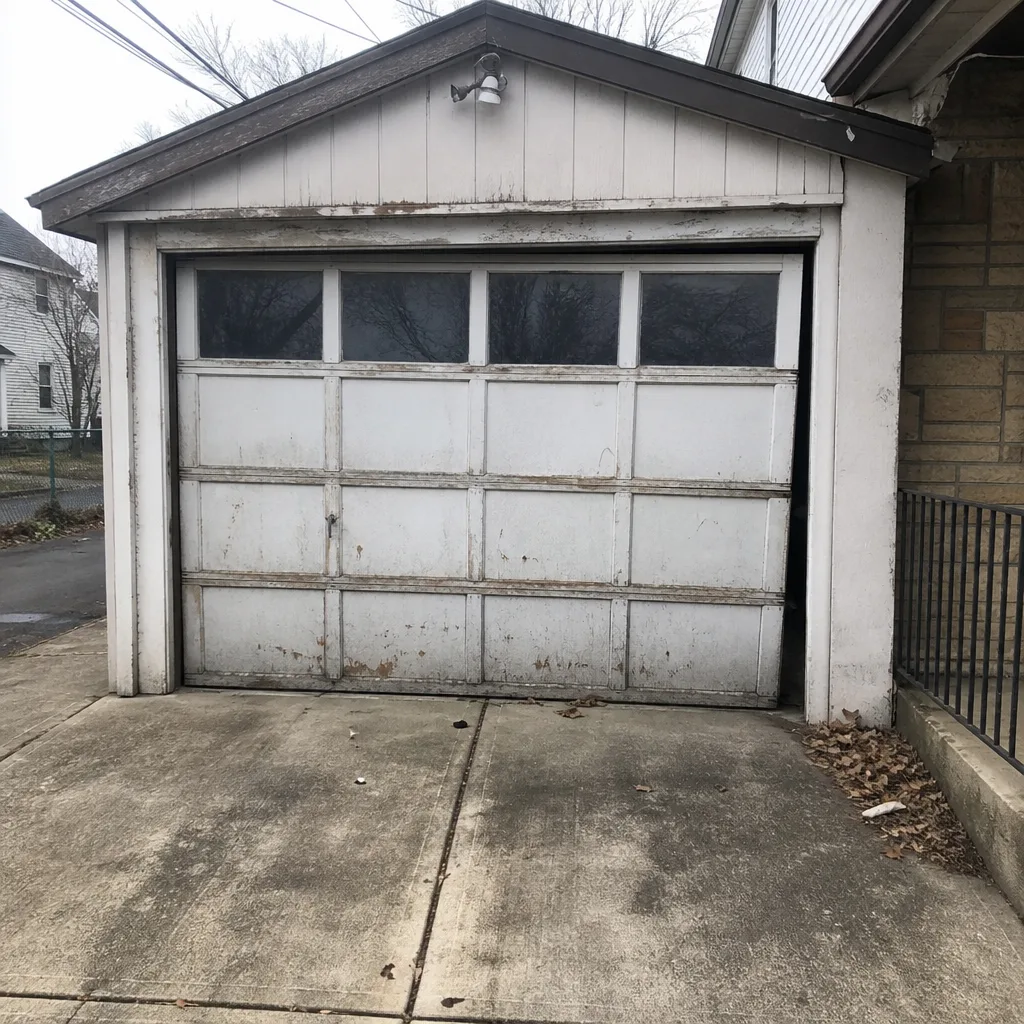 Before
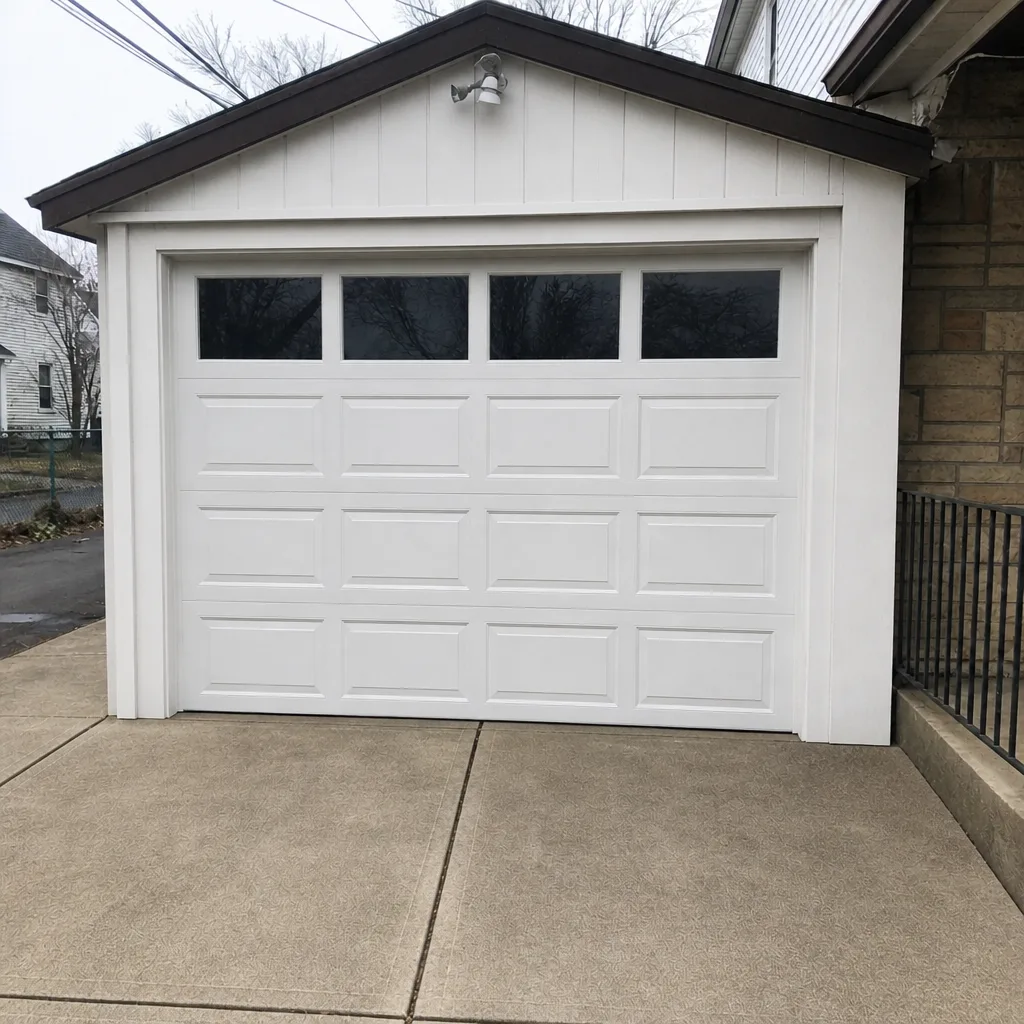 After
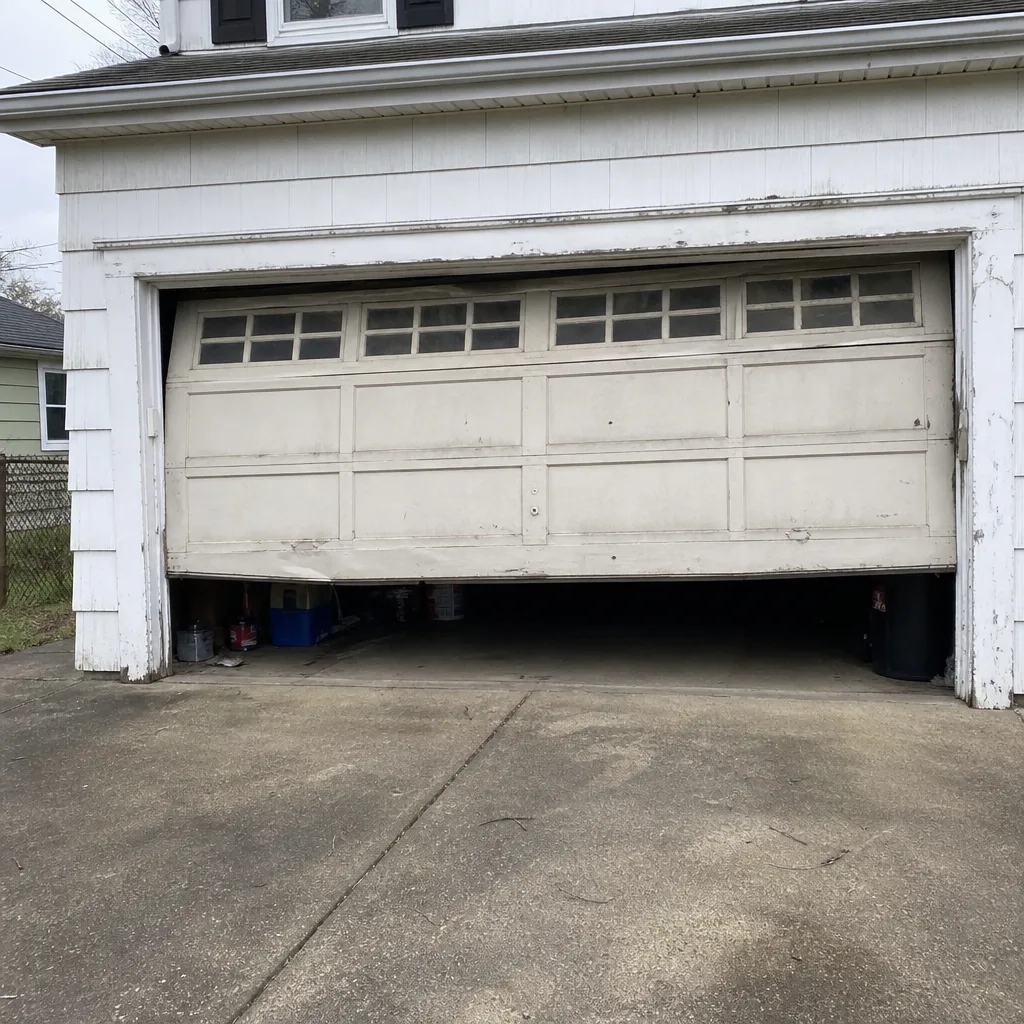 Before
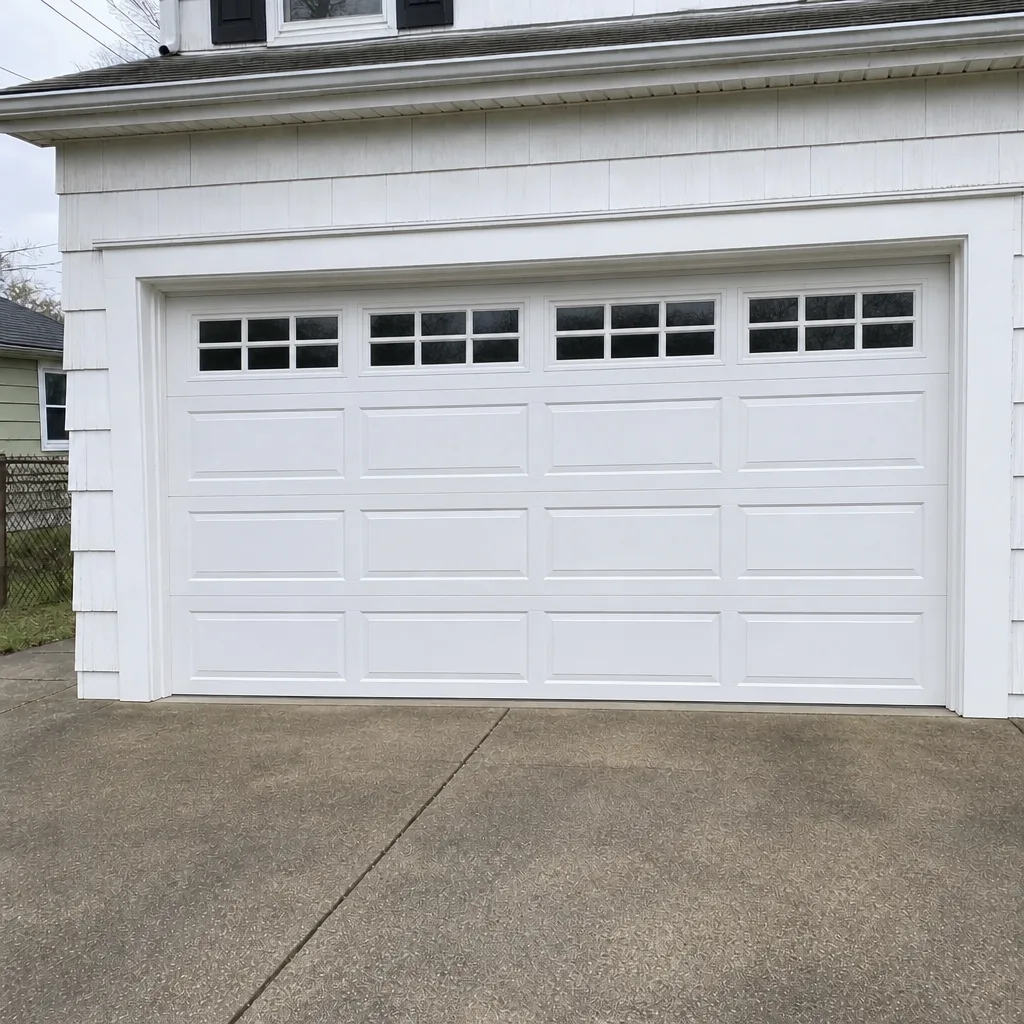 After
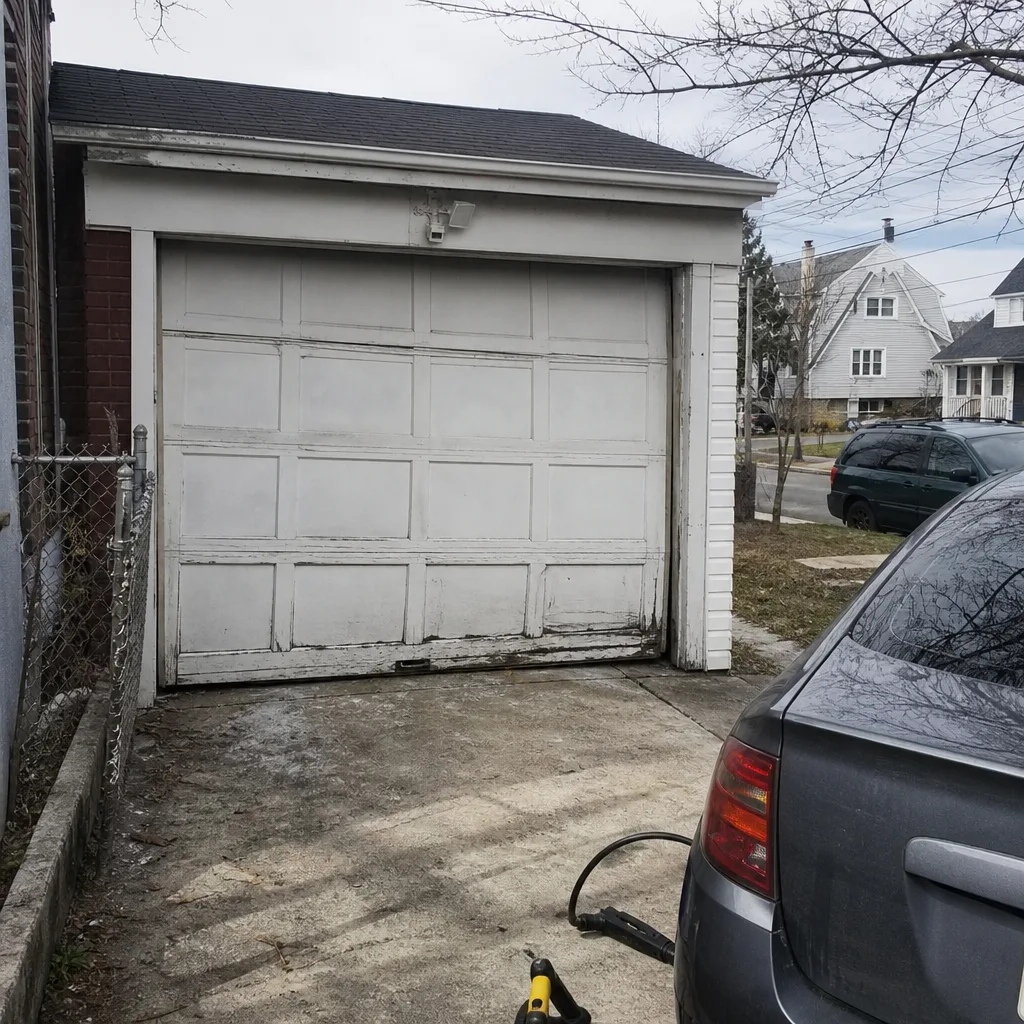 Before
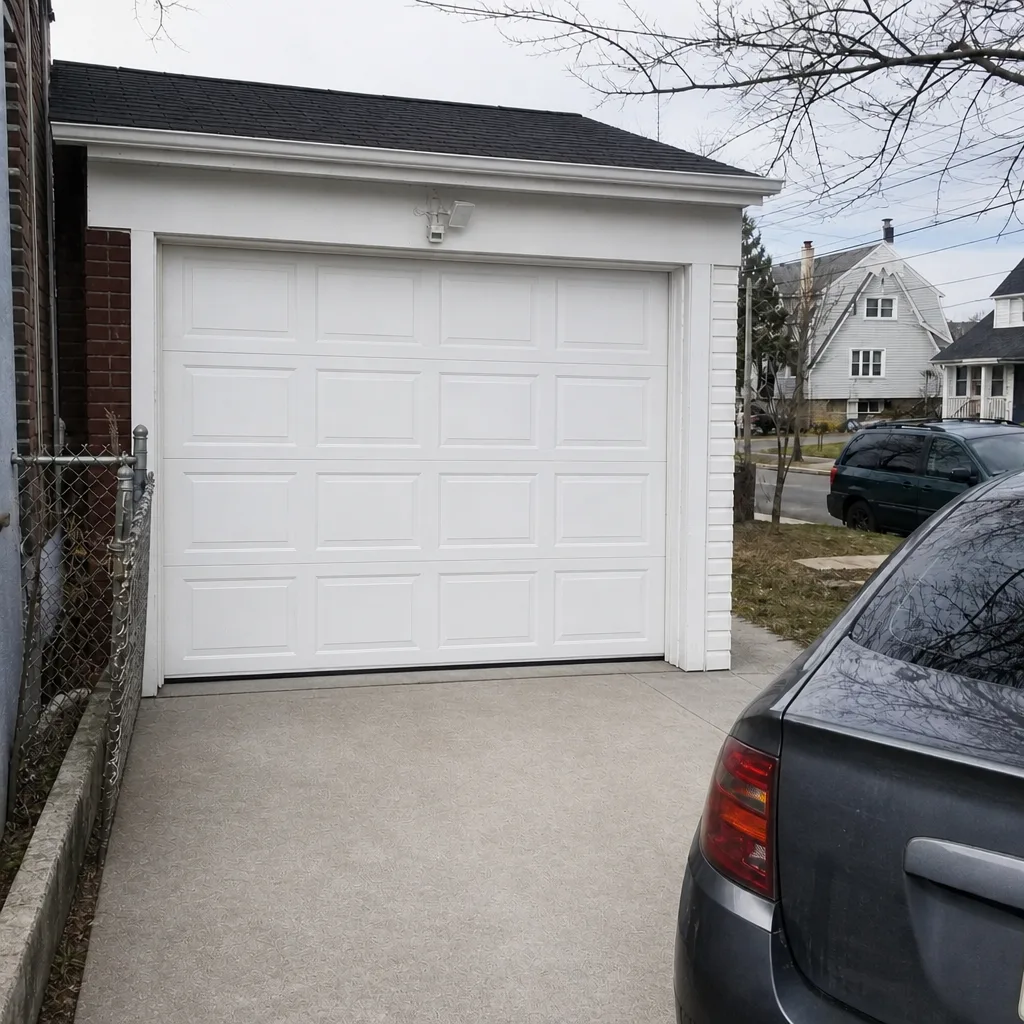 After
Comparing Door Brands on Price Alone
Two doors with the same look can differ by hundreds of dollars because of what isn’t visible: steel gauge, insulation, and spring rating. If you compare quotes by price, you’re comparing a heavy insulated door to a thin single-layer one and calling it a deal. The right comparison lines up the four specs we covered earlier side by side, then compares price.
Here’s a practical way to structure the comparison:
- Put gauge, R-value, spring cycle rating, and seal type on the quote for every option. If a quote doesn’t list them, ask.
- Ask whether the price includes the opener match check and safety reverse adjustment.
- Confirm removal and disposal of the old door are included.
- Compare the warranty exclusions, not just the years.
- Check parts availability for the specific model line, not just the brand.
A door that costs less up front and needs springs in six years, or a seal every two, isn’t the cheaper door. Our customers in Elizabeth tell us they value getting the right answer quickly over the lowest quote, and this comparison is how that answer gets built. If part of your existing system needs attention first, our garage door repair technicians can assess what you have so you’re comparing from a known starting point.
Common Mistakes to Avoid
- Buying the best-marketed brand instead of the best-matched spec. Ad spend and dealer incentives drive popularity, not performance. Check gauge, R-value, spring rating, and seal before you commit.
- Choosing a thin single-layer door for a sun-baked west-facing garage. It expands, contracts, and radiates heat into the rooms above. In Elizabeth’s summers, an insulated panel pays back in comfort and door life.
- Ignoring parts availability for the specific model. A brand with thin local distribution can leave you waiting weeks on a matched spring. Ask who services the door after installation.
- Reading “lifetime warranty” as all-inclusive. Labor and wear items are commonly excluded. Ask for the written document and read the exclusions before you sign.
- Replacing the door but keeping a tired opener. A heavy new door on a marginal opener strains both. Have the opener evaluated and match its capacity to the door’s weight.
- Comparing quotes by total price without matching specs. A cheaper quote often reflects thinner steel or less insulation. Put the four specs side by side first, then compare.
- Skipping the bottom seal conversation. The seal is the cheapest part and the first to fail, and a poor seal drives water into the panel seams in a New Jersey winter. Confirm it’s replaceable on its own.
When to Call a Professional
Some door problems are cosmetic and some are safety issues, and the difference matters. Call a professional when the door is unbalanced and lifts hard or slams down, when a spring or cable has broken (never attempt to adjust torsion springs or cables yourself; they’re under dangerous tension and a mistake can cause serious injury), when the opener’s safety reverse doesn’t test correctly, or when a panel is bent enough that the door binds. Call us if you’re planning a replacement and want the opener and door evaluated together before you order, or if you’re unsure what you have and need a straight answer before you buy. Hartwell Garage Door Repair offers free estimates in Elizabeth. Call (833) 946-9108. We answer 24/7, with fast dispatch from 7am to 7pm, Sunday through Friday.
Frequently Asked Questions
The best brand is whichever one’s spec sheet matches your garage’s gauge, R-value, seal, and cycle needs. For most Elizabeth homes, that’s an insulated steel door from Clopay, Amarr, Wayne Dalton, or CHI, chosen by model line rather than by brand name. Call (833) 946-9108 for a free estimate – we’ll help you compare on the specs rather than the badge.
Pricing is set per job by a written estimate, and the final price depends on your door size, material, insulation, and opener match. We don’t quote over the phone on a brand comparison, because the spec sheet is what drives the number. Call (833) 946-9108 for a free written estimate on your specific opening.
Not always, but you do need to have it evaluated. A heavier insulated door on an undersized opener shortens the life of both. If the opener is old or already working hard, pairing it with a new door is usually the right call. Call (833) 946-9108 and we’ll check the match before you buy.
It usually covers defects in the door sections, with separate shorter terms for springs, hardware, and openers, and it often excludes labor and cosmetic wear. Read the written document’s exclusions section before you buy. Call (833) 946-9108 if you want help reading one.
We service equipment from LiftMaster, Chamberlain, Genie, Clopay, Amarr, Wayne Dalton, Craftsman, and Raynor. Our technicians have up to 8 years of experience and arrive familiar with the system in your garage. Call (833) 946-9108 for a free estimate.
Steel is the safer default for most Elizabeth homes because it handles humidity and rain well and takes insulation well. Wood composite suits older homes where the natural look matters and the garage has shade and good drainage. Call (833) 946-9108 and we’ll match material to your garage’s sun and moisture exposure.
The Bottom Line
Brand name is the fourth most important thing about a garage door, not the first. Gauge thickness, insulation R-value, bottom seal design, and hardware cycle rating decide how long the door lasts in Elizabeth’s humid summers and freezing winters. Compare model lines, not badges. Confirm parts availability and read the warranty exclusions before you sign. Match the door to your opener’s capacity, not just its look. Get the answers to the eight questions above in writing, and the choice gets much easier. We work on what you already have, and repair before replace is always on the table, whether your door is a Raynor, a Clopay, or a Genie system.
Call (833) 946-9108 for a free estimate on your Elizabeth garage door. We answer 24/7, with fast dispatch from 7am to 7pm, Sunday through Friday.
Written by the team at Hartwell Garage Door Repair.