
Last updated November 14, 2026
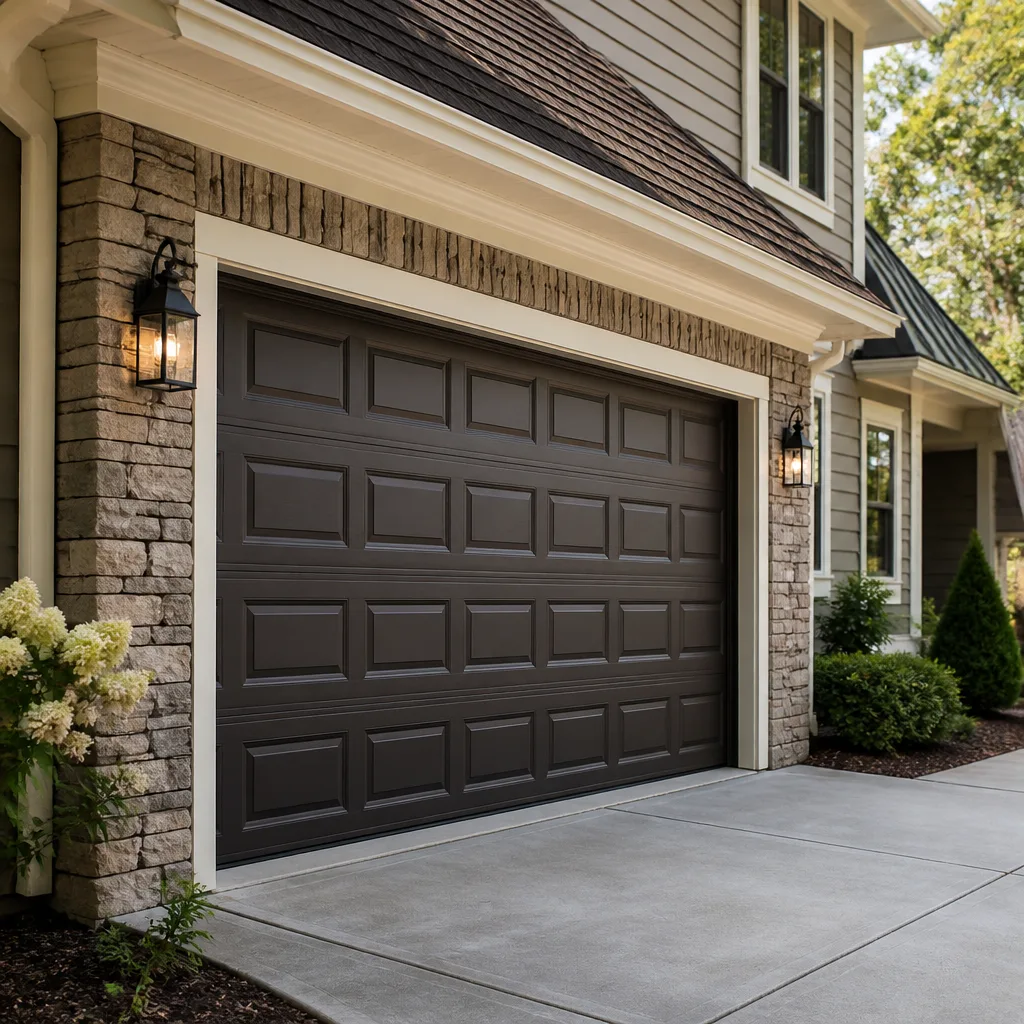 Raised-panel steel
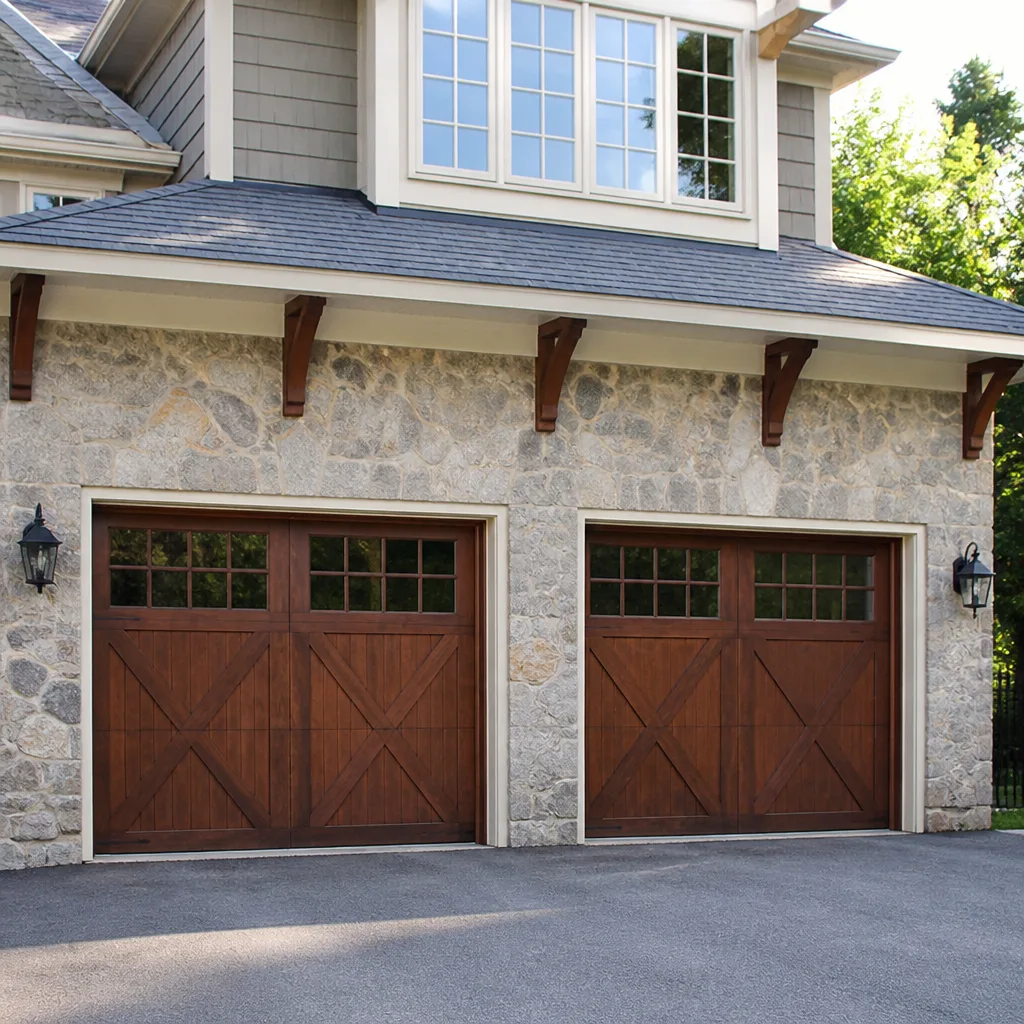 Carriage house
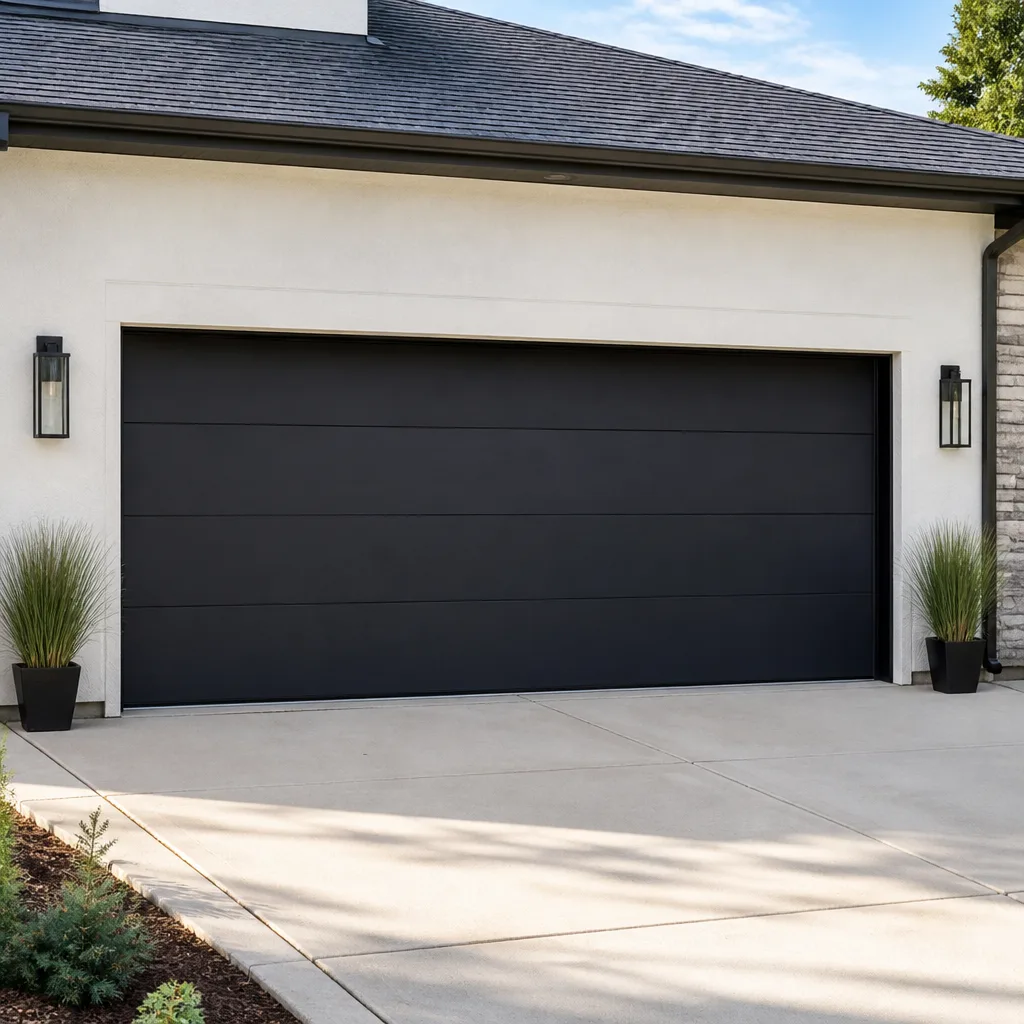 Modern flush
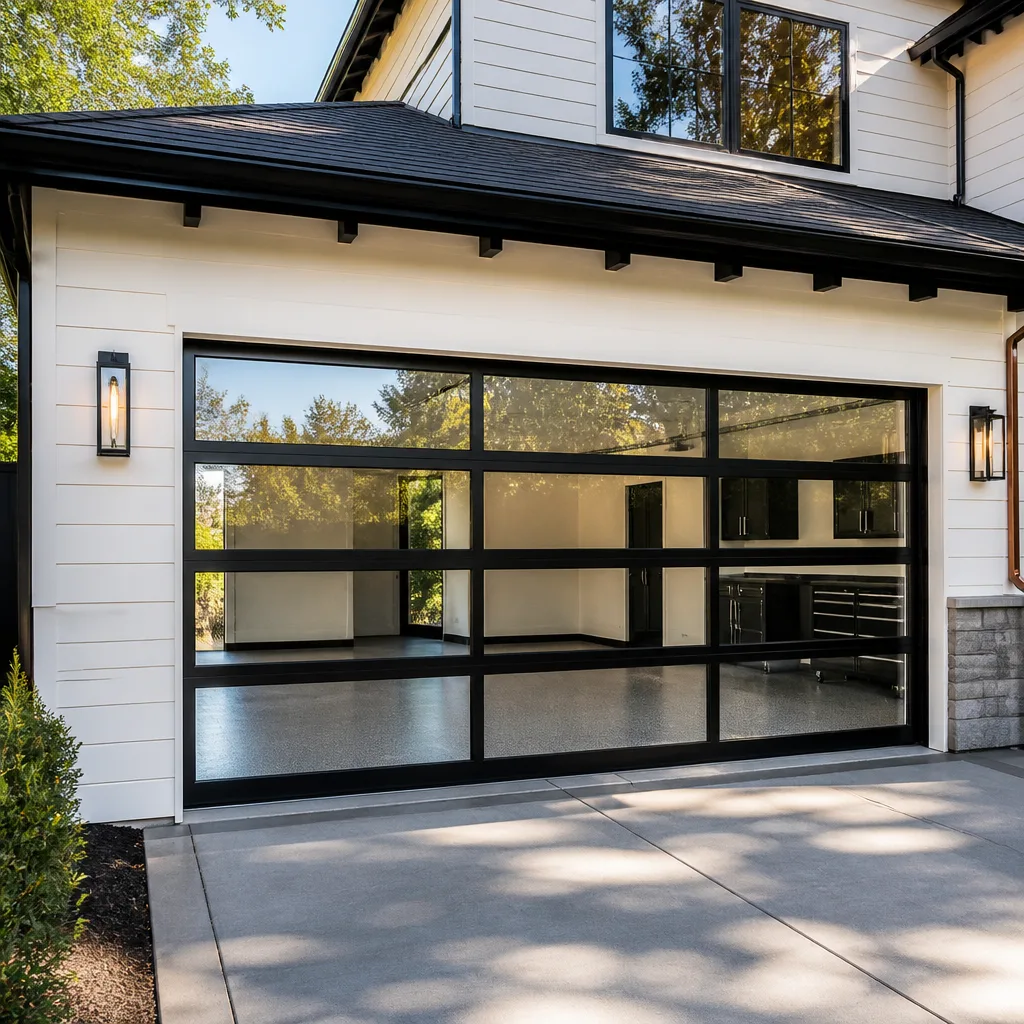 Full-view glass
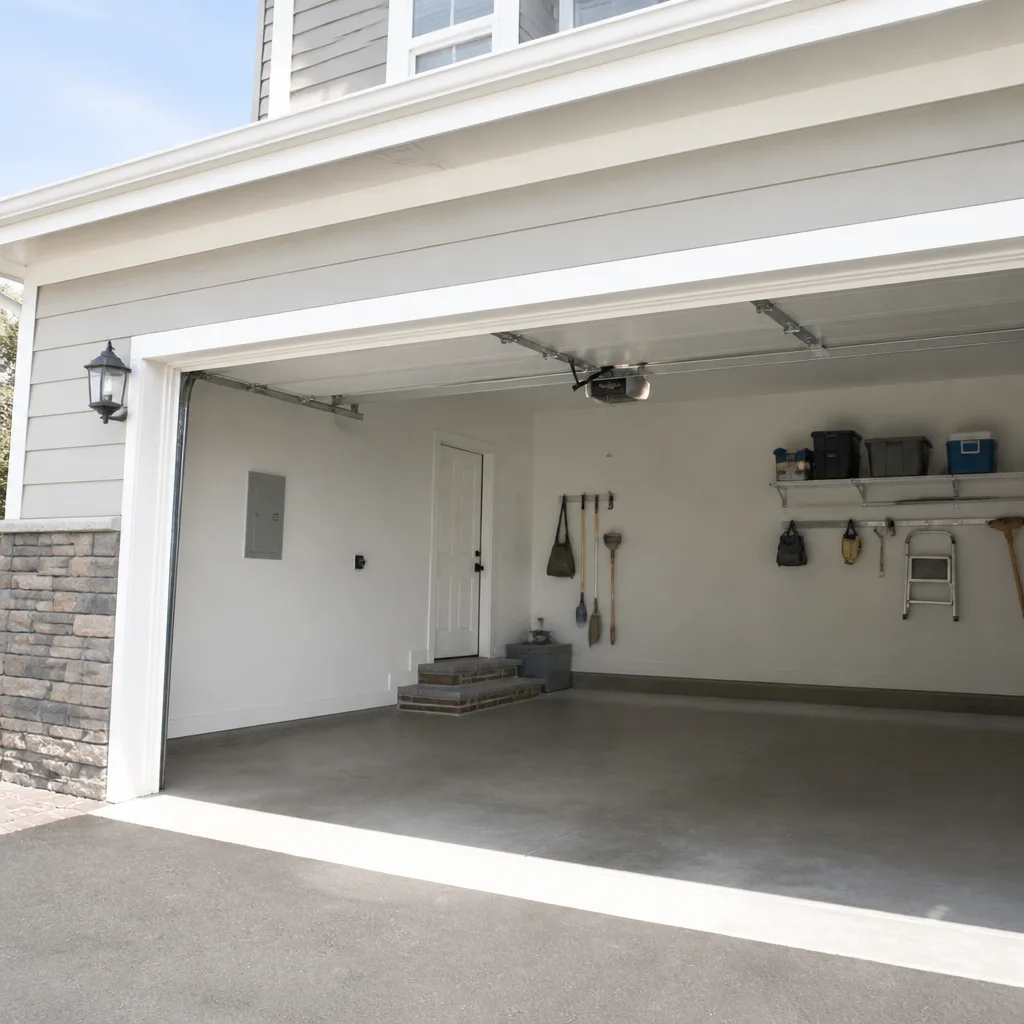 LiftMaster openers
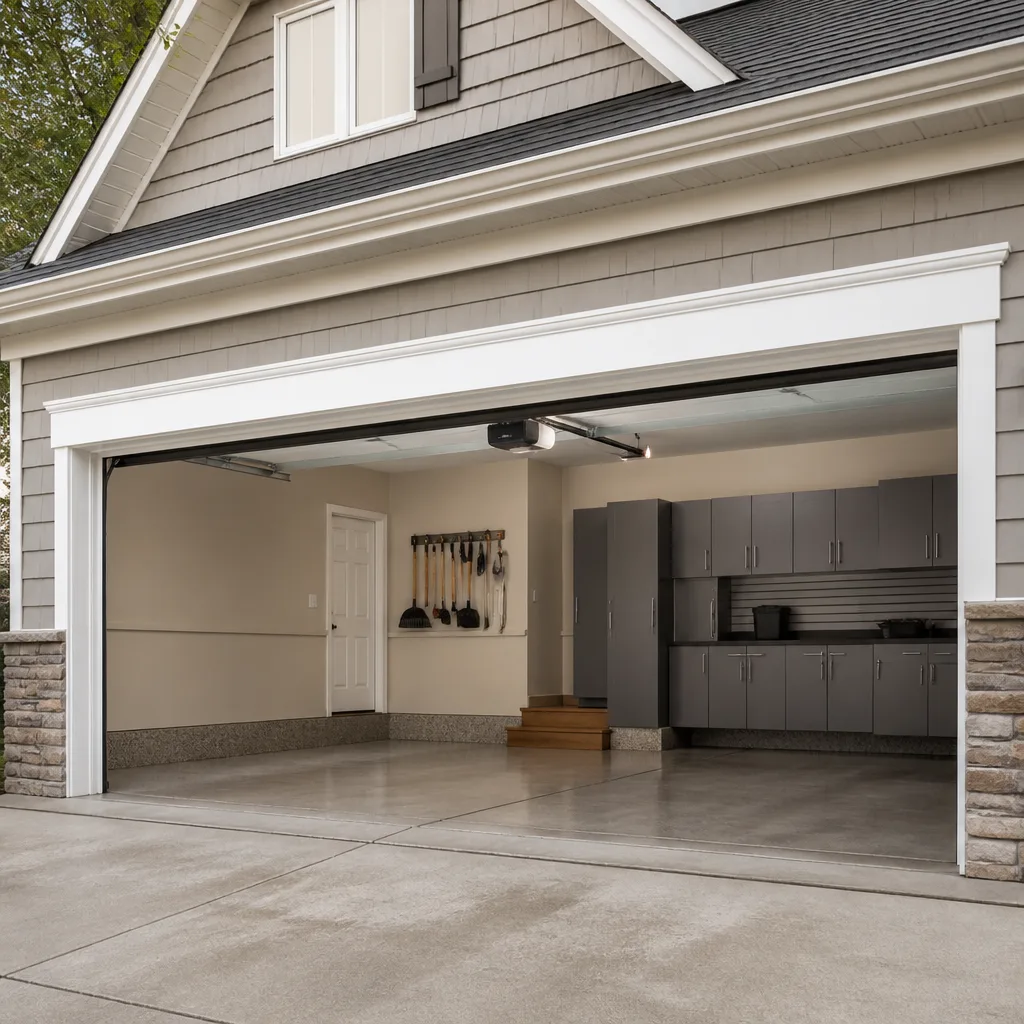 Chamberlain openers
Full 25-point door and opener safety check with every visit - springs, cables, rollers, tracks, and your LiftMaster or Chamberlain opener included
You get a price before we start. It does not change when the pro arrives.
Get your free estimateGarage Door Warning Signs: An Elizabeth Homeowner’s Reference Guide
Most garage door failures are not sudden. They build up over weeks, sometimes months, through small changes a homeowner notices but doesn’t act on: a slight hesitation at the halfway point, a rattle that wasn’t there last year, a cable that looks a little fuzzy where it wraps the drum. The trouble is that nobody tells you which of those changes mean “keep an eye on it” and which mean “stop using the door today.” This guide draws that line clearly. We’ll walk through the sounds, the visual signals, and a safety test sequence you can run yourself. If you live in Elizabeth, the housing stock and climate shape what you’ll see, so we’ll flag that where it matters.
Quick Answer
A garage door shows warning signs long before it fails, and the signs split into two tiers. Watch-it signs like unusual rattles, minor sagging, or slow opener response mean the door still works but needs attention soon. Stop-using-it signs like a snapped spring, a frayed cable, a door that reverses on its own, or a door that won’t close completely mean you should leave it down and call a professional. In Elizabeth, the most common early warnings are wood rot on older panel doors and hinge fatigue from years of freeze-thaw cycling.
Styles & brands we work with
- Raised-panel steel
- Carriage house
- Modern flush
- Full-view glass
- LiftMaster openers
- Chamberlain openers
Table of Contents
- The Two-Tier Warning System: Watch It vs. Stop Using It
- How to Tell Normal Noise From Failure Sounds
- Visual Signs in Older Elizabeth Doors: Wood Rot, Cable Fraying, Hinge Fatigue
- Manual Works, Opener Struggles: Why That’s a Different Diagnosis
- The Homeowner Safety Test: Balance, Reversal, and Sensor Alignment
- Springs and Cables: The Parts You Never Touch Yourself
- What Elizabeth Weather Does to Your Door
- When to Call a Professional
The Two-Tier Warning System: Watch It vs. Stop Using It
A garage door that reverses unexpectedly isn’t just an annoyance – it’s the sensor system doing exactly what it was designed to do. Ignoring it, or taping over the sensors to force the door shut, overrides a safety mechanism that exists to prevent crushing injuries. That distinction matters because homeowners tend to lump every quirk into one bucket. We split them into two.
Tier one: watch-it signs. The door still operates, but something has changed. These signs mean schedule a service call, don’t ignore it:
- A new rattle or squeak that appeared gradually
- The opener hesitates or seems to work harder at one point in the travel
- Minor gaps between panels or a door that looks slightly out of line
- Rust spots on hinges and rollers that weren’t there the season before
- The remote needs to be held longer or pressed twice
Tier two: stop-using-it signs. Leave the door down and call a professional before operating it again:
- A loud bang from the torsion bar or a spring that has visibly separated
- A door that reverses on its own without obstruction
- A frayed or broken cable hanging loose from the drum
- A door that won’t close fully or closes and immediately reopens
- Visible bending in the bottom section or a track that has pulled away from the wall
The difference between these two tiers is not urgency in the abstract. It’s whether continuing to use the door could cause injury, drop the door on a person or vehicle, or damage parts that are still salvageable. In our experience across Elizabeth, a door caught at tier one can often be repaired and restored. A door run for weeks at tier two often can’t.
How to Tell Normal Noise From Failure Sounds
Every garage door makes noise. What matters is whether the noise has changed. A healthy door produces a steady, even hum from the opener and a light metal-on-metal roll from the tracks. Anything outside that pattern is worth listening to closely.
Normal operational sounds
- Steady motor hum during travel, with no surging or stuttering
- A soft, rhythmic click of rollers passing track joints
- A dull thud when the door reaches the floor
Sounds that indicate component failure is developing
- Sharp metallic grinding: usually rollers that have seized and are dragging flat spots along the track. Riding this out grinds the track itself.
- A loud bang from the center of the door: a torsion spring has snapped. This is a stop-using-it sign, not a watch-it sign.
- Repeated clicking or popping at one panel joint: often hinge fatigue or a loose fastener working its way out of the panel.
- Rhythmic slapping: a door that is out of balance, catching on one side as it travels.
- A high whine from the opener: the motor is straining, which points to an opener problem rather than a door problem.
- Creaking that intensifies with cold weather: dry hinge pins and rollers, or wood sections that have swollen.
Track the sound mentally against the door’s position. If the noise happens at the same point every cycle, the fault is localized, which is a good sign for repair. If it happens throughout travel, the problem is usually balance or alignment. Brand makes a difference here: a LiftMaster or Chamberlain opener has a different motor tone than a Genie or Craftsman unit, so learn what your system normally sounds like before you panic over a noise that’s actually standard for that model.
Visual Signs in Older Elizabeth Doors: Wood Rot, Cable Fraying, Hinge Fatigue
Elizabeth has a lot of wood-panel and older steel doors, many of them Amarr, Wayne Dalton, and Clopay installations from decades past. Older doors show their age visually before they fail mechanically – if you know where to look. Here’s what each pattern means for the timeline to failure.
Wood rot patterns
Look at the bottom rail first. Rot starts where water sits: the bottom edge of the door, the base of the side stiles, and around fastener holes. White or gray discoloration, a soft feel when you press with a screwdriver handle, and paint that has begun to bubble and flake are all rot signals. Early surface rot on the bottom rail can usually be patched or the bottom section replaced. Once rot reaches the corner joinery, the section loses its structural strength and needs replacing, not patching. Left alone through a full cycle of wet seasons, a rotting bottom rail can go from cosmetic to structural in a single year here in Elizabeth.
Cable fraying
Each torsion or extension cable wraps around a drum and holds real tension. Fraying shows as individual wire strands broken at the drum or near the bottom bracket – it looks like a fuzzy spot, not a cut. Any fraying at all is a stop-using-it sign. A frayed cable has already lost some of its capacity to hold the door’s weight, and operating it accelerates the loss. Do not attempt to inspect a cable by touching it while the door is under tension.
Hinge fatigue
Hinges fail slowly. Look for ovaled screw holes with missing or loose screws, rust weeping around the hinge leaf, and hairline cracks in the metal at the leaf bend. A single fatigued hinge is a watch-it sign. Two or more fatigued hinges on the same panel line is a good time to have the door looked at before the panel separates.
Manual Works, Opener Struggles: Why That’s a Different Diagnosis
This is the most misunderstood warning sign on the whole door. A homeowner pulls the manual release, lifts the door by hand, and finds it moves smoothly. Then they reconnect the opener and it lurches, strains, or reverses halfway. That’s not a door problem – it’s an opener problem, or a balance/force-setting problem, and it should be diagnosed differently.
When the door moves fine manually but not under opener power, the likely causes are:
- Opener force limits set too low: modern openers have adjustable travel and force settings that drift over time.
- Failed opener motor capacitor: the motor lacks torque to start a door it could once lift easily.
- Worn opener drive gear or chain: the motor turns but the drive train slips under load.
- Safety sensor misalignment: the door stops and reverses as designed because the beam is interrupted.
- Defective logic board: increasingly common on older smart openers.
When the door struggles both manually and under opener power, the problem lives in the door itself: a bad spring, a bent track, seized rollers, or a door out of balance. That’s a repair call, and it may involve the door mechanics rather than the motor.
This distinction matters because it changes who you call and what the repair looks like. If your opener is failing but your door is healthy, garage door opener repair is the right service and the door stays where it is. Openers are the technical subset of this trade we specialize in – LiftMaster, Chamberlain, Genie, and Craftsman units all use different motor layouts and logic boards, and diagnosing them properly takes a technician who knows the specific platform.
The Homeowner Safety Test: Balance, Reversal, and Sensor Alignment
You can check three things on your own door without tools, without touching any spring or cable, and without putting yourself under load. Do this once a season, and after any warning sign shows up. If any test fails, stop using the door and call a professional.
- Balance test. Disconnect the opener using the manual release cord so the door is free. Lift the door halfway by hand and let go. A balanced door stays where you put it. If it drifts down on its own, the springs have lost tension; if it drops fast, stop and call before reconnecting.
- Reversal test. Reconnect the opener. Place a piece of wood or a full box of the same height flat on the floor in the middle of the doorway. Close the door using the wall control. The door should contact the object and reverse immediately. If it presses down or stops without reversing, the force or travel settings need adjustment by a technician.
- Sensor alignment test. With the door open, wave a hand or a broom handle slowly through the photo-eye beam near the floor. The opener should click audibly and the indicator light should flicker or dim. If it doesn’t react, the sensors are misaligned or the wiring is loose.
- Visual cable and roller check. With the door fully open and at rest, look at each cable at the drum and at each roller. Check for fraying, kinked wire, or seized rollers. If you see anything unusual, call – do not attempt to adjust cables or springs.
- Manual travel check. With the opener disconnected, lift and lower the door by hand through the full range. It should move smoothly with no catching, popping, or sudden heavy spots. Any binding point is worth having looked at.
If your door passes all five, run the test again next season. If it fails any single test, stop using the door and get it looked at. The reversal test in particular is not optional – a door that fails reversal is actively dangerous, even if it seems to work normally otherwise.
Springs and Cables: The Parts You Never Touch Yourself
We put a hard line here because it’s where homeowners get hurt. Torsion springs, extension springs, and the cables that wrap around their drums are under enormous tension, and releasing that tension without the right tools and technique can cause serious injury. This is not a “watch a video and try it” repair. If either component is showing any sign of failure, stop using the door and have a trained professional handle it.
What you can safely observe:
- Broken torsion spring: a visible gap at the coil, often accompanied by a loud bang you’ll hear from inside the house. Stop using the door.
- Broken extension spring: a dangling spring section or a spring that has separated from its bracket. Stop using the door.
- Frayed cable: fuzzy strands anywhere along its run. Stop using the door.
- Loose or hanging cable: a cable that has come off its drum or bottom bracket. Stop using the door.
A spring repair is not a one-size-fits-all job. Each spring is rated by wire gauge, inside diameter, and length, matched to the weight of the door it lifts. Getting the rating wrong shortens spring life and puts additional strain on the opener. This is why garage door repair for springs is one of the few calls we’d never recommend as a do-it-yourself project, regardless of how handy you are. The estimate is free, and the price is quoted and agreed before any work starts.
What Elizabeth Weather Does to Your Door
Elizabeth sits in a part of New Jersey that swings from humid summers to hard freezes in winter, and that cycle is tough on garage doors. The wood sections swell in the wet months and contract in the dry, which gradually widens seams, works fasteners loose, and opens small cracks that catch water. Steel doors are more forgiving but aren’t immune – temperature swings cause metal to expand and contract, which can warp a track slightly out of alignment over a few seasons.
What tends to show up here:
- Hinge loosening in spring and fall: the two seasons with the sharpest temperature swings, when fasteners work hardest.
- Bottom-rail rot in wetter years: the part of the door that sits in splash length of the driveway and takes the most water contact.
- Roller binding in cold snaps: steel rollers with dry bearings bind in cold weather; nylon rollers resist it better.
- Uneven track alignment after a hard freeze cycle: a wooden header or a metal bracket that shifts slightly.
- Wood panel warping in homes with older wood doors: especially doors that haven’t been repainted in several years.
Knowing this cycle lets you plan the inspection instead of reacting to a failure. The best time to spot age-related issues in Elizabeth is a dry fall day, before the freeze sets in – that’s when wood shows its true finish condition and hinges are at their most likely to be loose.
Common Mistakes to Avoid
- Forcing the door when it reverses. Reversal means the safety system is working. Taping over sensors or holding the wall button down to override it turns a safety feature into an injury risk. Address the underlying cause, not the symptom.
- Greasing the tracks. Rollers and hinges take lubricant; the tracks do not. Grease on the tracks collects grit and causes the rollers to slide instead of roll. The noise gets louder, not quieter.
- Ignoring a single dropped hinge screw. A missing screw looks harmless. Over a full season of Elizabeth temperature cycles, a single missing screw becomes two, and a hinge leaf pulls away from the panel.
- Calling a general handyman for a spring or cable. Garage doors are a specialty. A handyman may be able to swap a roller, but spring and cable work calls for the right tools, the right torque, and specific experience with the door’s brand and rating.
- Assuming a struggling opener means a new door. If the door moves fine by hand, the door is healthy. This is a repair on the opener, not a replacement conversation.
- Replacing panels without checking the balance. A door that was out of balance caused the panel to fail in the first place. Replacing the panel without correcting the balance is a short-term fix.
- Painting over rot on a wood door. Paint seals a surface; it doesn’t restore structural integrity. A painted-over rotted bottom rail is still a rotted bottom rail and should be checked before the rot spreads to the corner joinery.
When to Call a Professional
You need a professional on-site when a spring or cable is broken or frayed, a door reverses without obstruction, a door won’t close fully, the track has visibly bent or pulled away from the wall, or any of the safety tests above fail. You also want one when a door is unbalanced, an opener strains at the same point in travel, or repeated hinge or panel failures keep coming back after temporary fixes. Those signs rarely resolve on their own.
At Hartwell Garage Door Repair, we handle three things: door repair, opener repair, and new installation. We work on what you already have rather than steering you toward a replacement. If your system is a Clopay, Amarr, Wayne Dalton, or Raynor door paired with a LiftMaster, Chamberlain, Genie, or Craftsman opener, a technician arrives knowing the specific brand and equipment before the visit starts. For a free estimate in Elizabeth, call (833) 946-9108. We answer 24/7. Fast dispatch from 7am to 7pm, Sunday through Friday. The price is quoted and agreed before any work begins.
See the difference
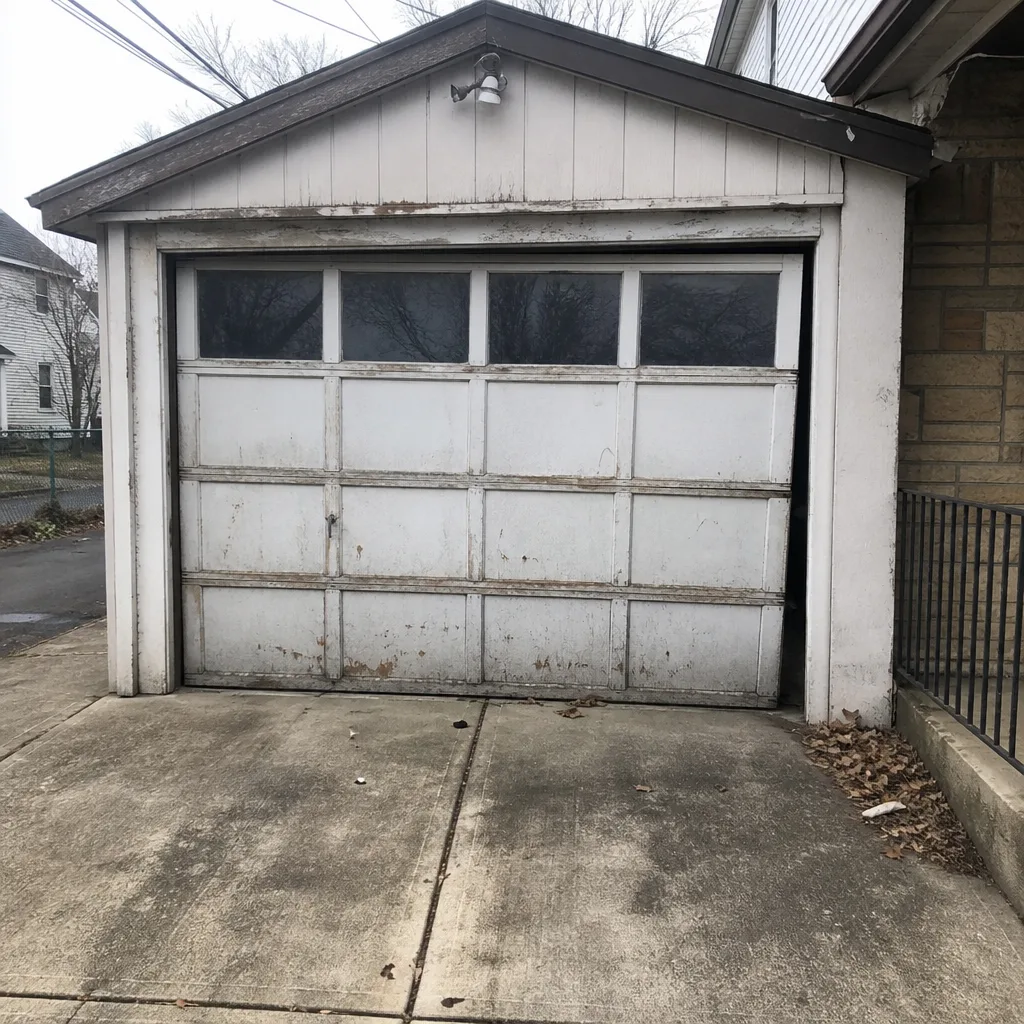 Before
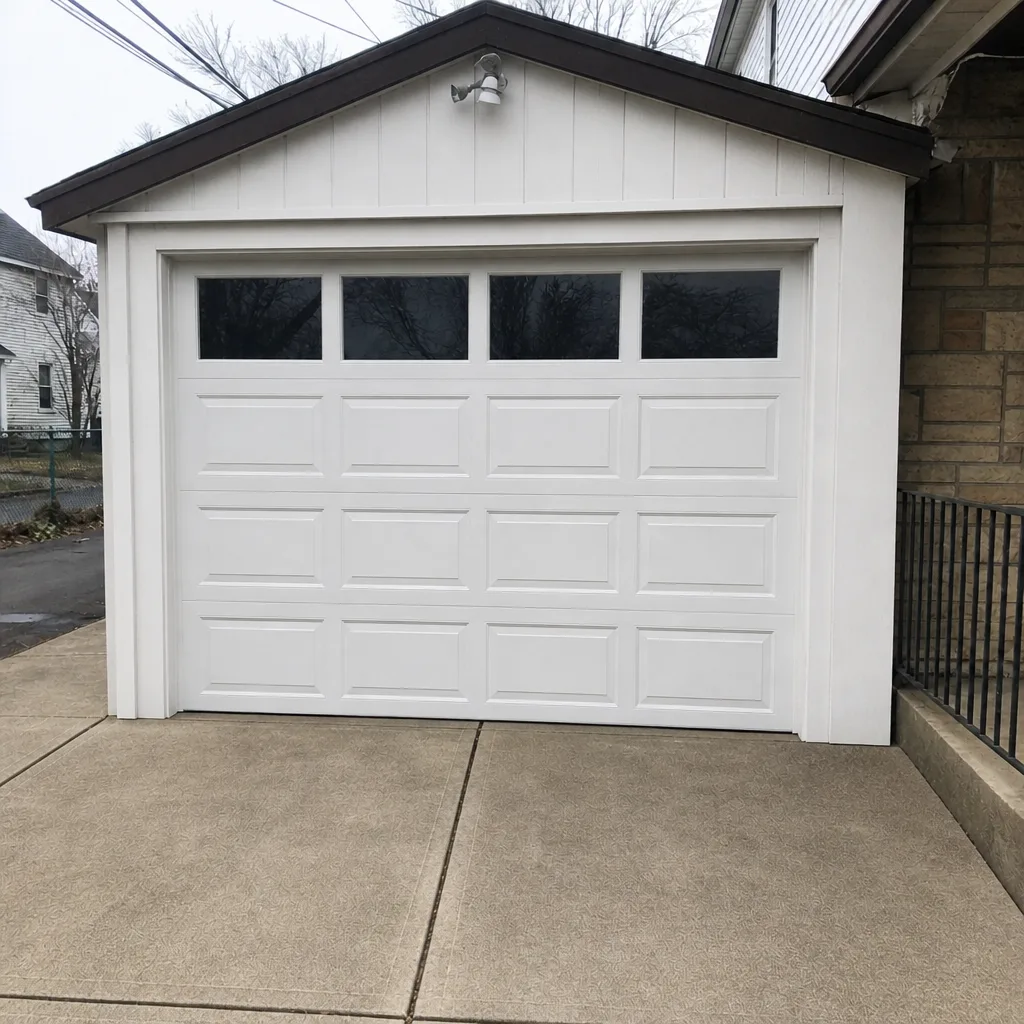 After
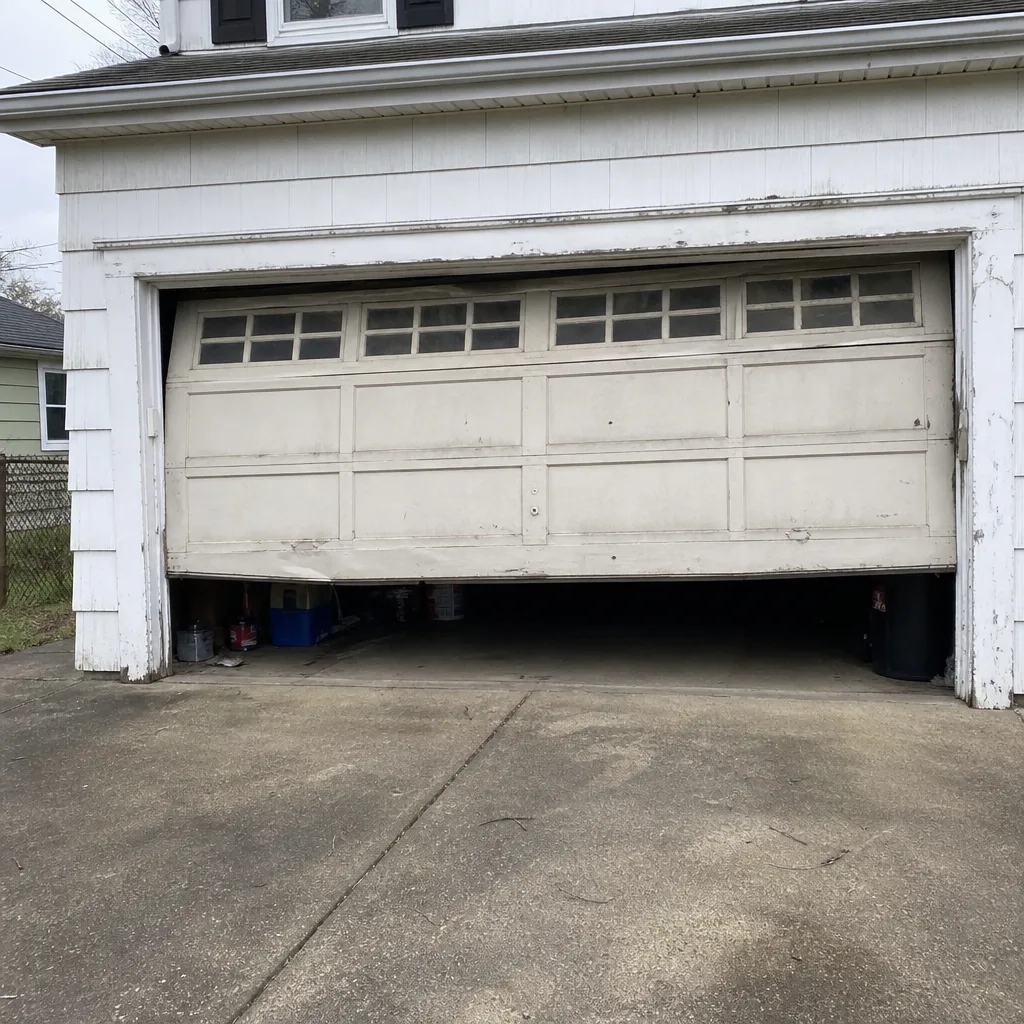 Before
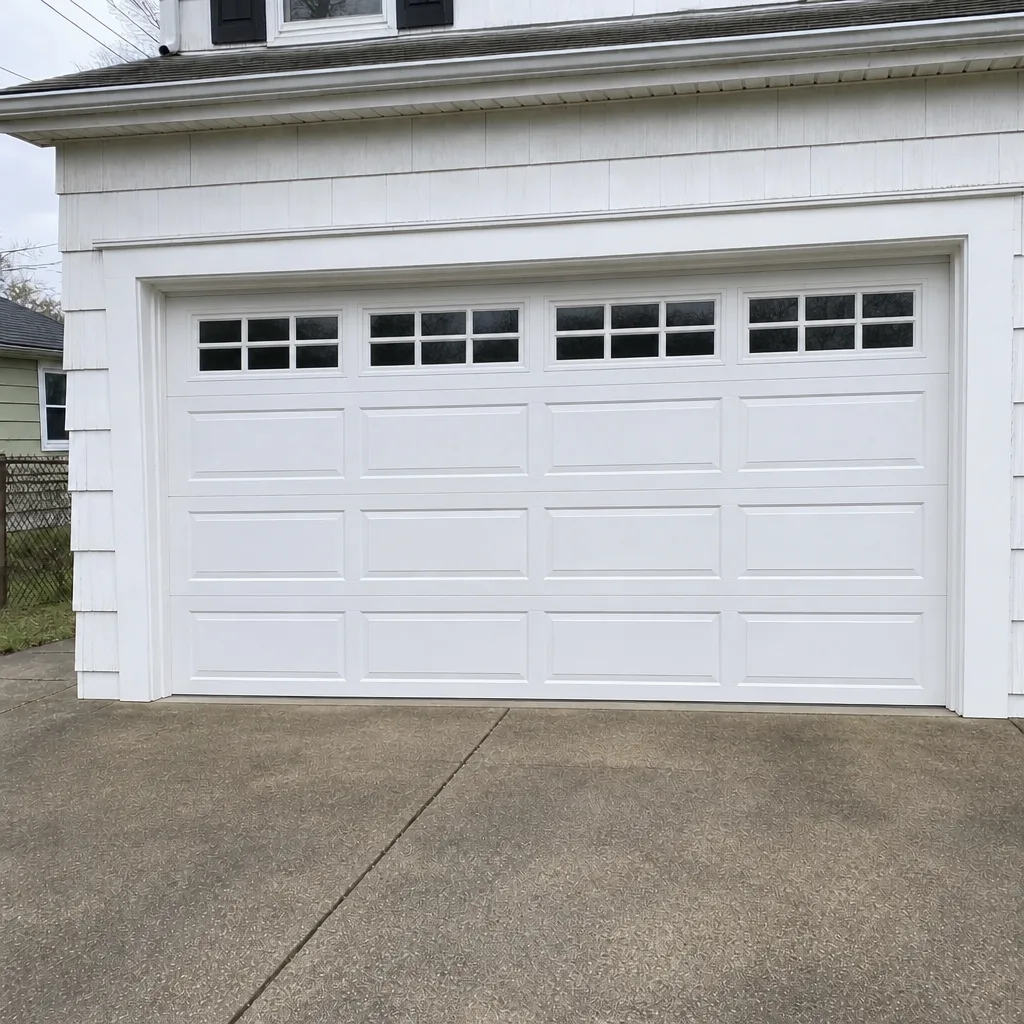 After
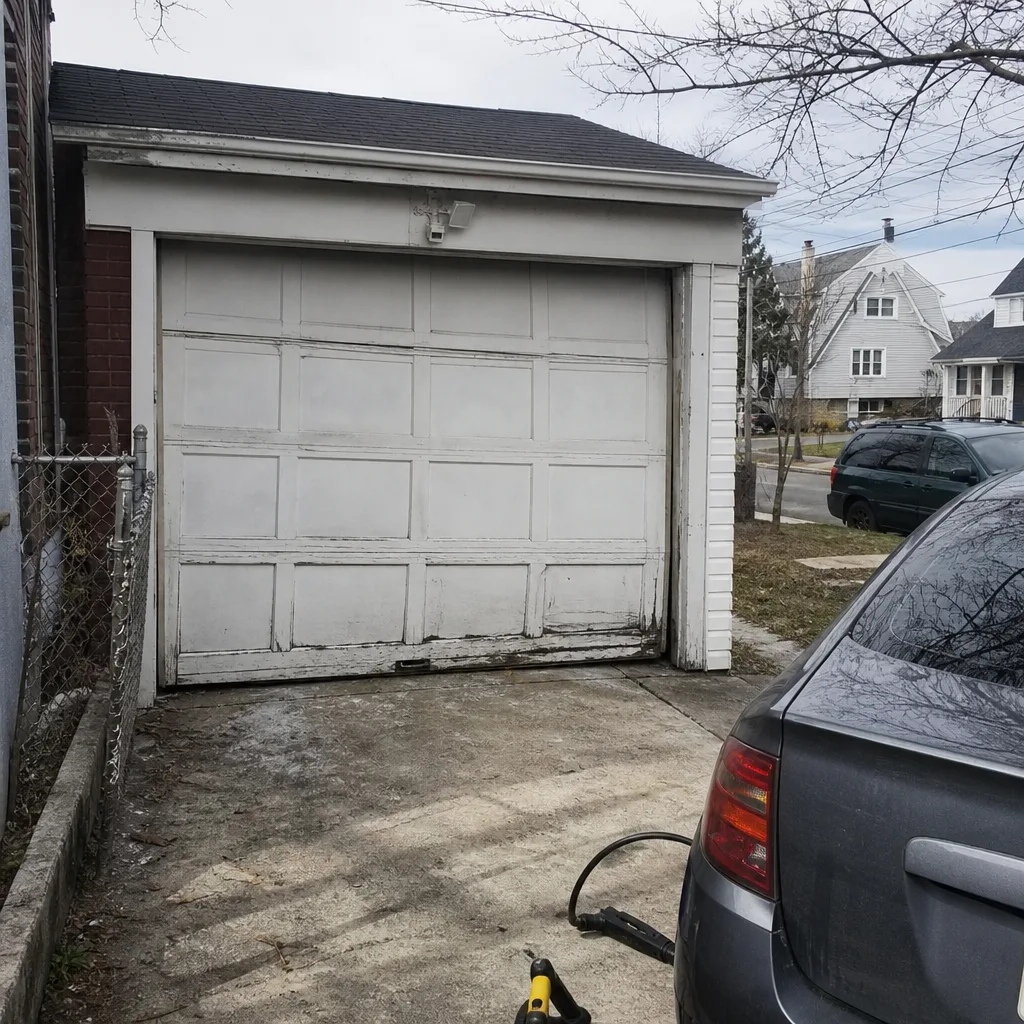 Before
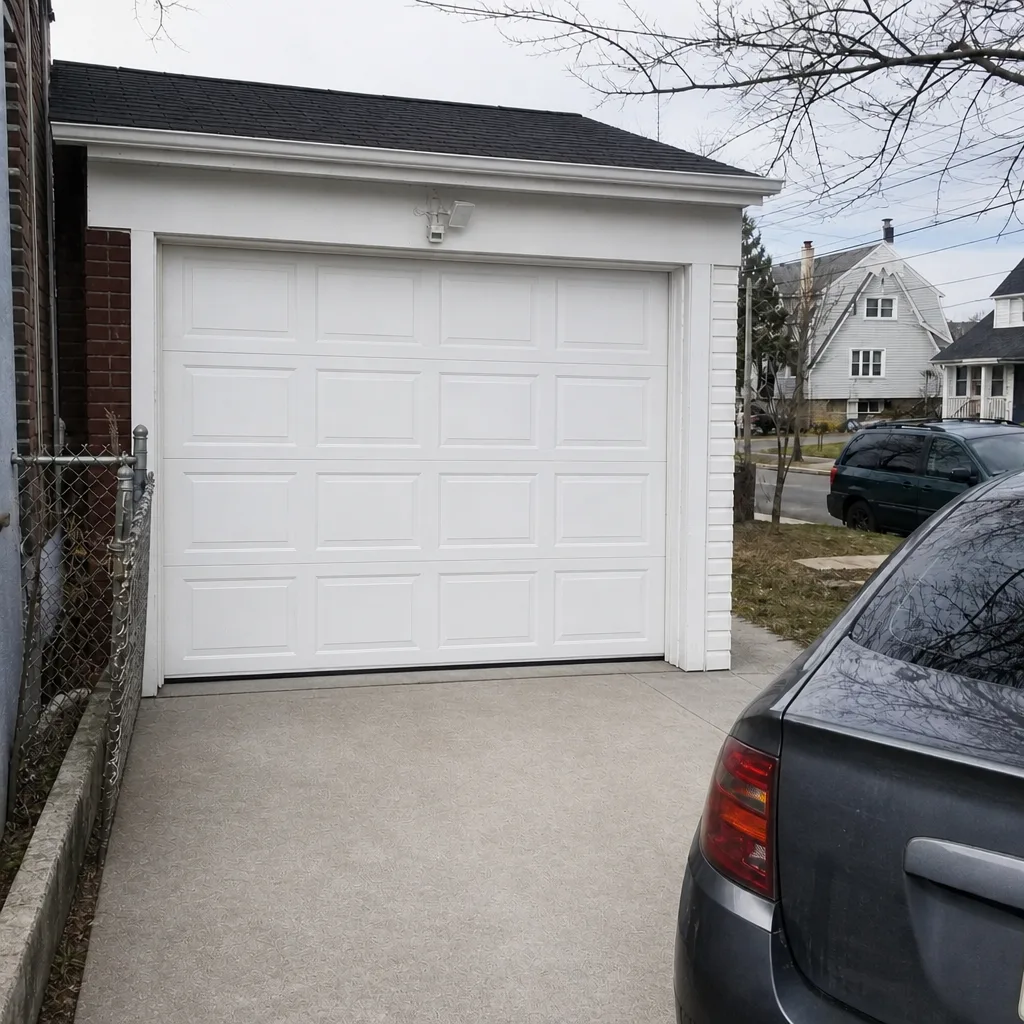 After
Frequently Asked Questions
The most important warning sign is a door that reverses without an obstruction in its path. That’s the safety sensor or force limit doing its job, and the correct response is to have the system checked, not to override the reversal. If the door reverses on its own during a normal close, stop using the door and call a professional. Call (833) 946-9108 for a free estimate – estimates are free.
Spring replacement in Elizabeth typically runs in the $180 to $340 range per spring, though the exact price depends on the door’s weight, the spring’s rating, and how accessible the torsion bar is. A matched pair is usually replaced together, so a pair costs roughly twice that. The written estimate sets the final price, and it’s quoted and agreed before any work starts. Call (833) 946-9108 for an exact quote – estimates are free.
Only tier-one warning signs can wait a short time – unusual rattles, minor sagging, or slow opener response. Tier-two signs like a snapped spring, a frayed cable, a door that reverses on its own, or a door that won’t close should not be operated again. We answer 24/7, and a call outside dispatch hours is booked into the next opening, Sunday through Friday, 7am to 7pm. Saturday is closed.
Yes. LiftMaster and Chamberlain units have a fairly quiet belt or chain drive tone. Genie and Craftsman openers have a slightly sharper motor tone that some homeowners describe as a whine. What matters is what’s normal for your specific model. If that normal tone has changed, it’s worth having the opener checked before the motor fails. Call (833) 946-9108 for a free estimate.
No. A door with one broken spring is unbalanced and puts the full weight of the door on the opener and on the remaining spring. Running it accelerates wear on the opener’s motor and gears and can cause the door to drop. Leave the door down and call a professional. We can work with your system whether it’s a torsion or extension spring setup. Call (833) 946-9108 for a free estimate.
Run the balance test with the opener disconnected, the reversal test with an object on the floor, and the sensor alignment test by passing your hand through the beam. If the door fails any of the three, stop using it and call a professional. If it passes all three, you’re still welcome to have a technician look over the door if something feels off – the estimate is free. Call (833) 946-9108. We answer 24/7.
The Bottom Line
Your garage door tells you what’s wrong before it fails – the trick is knowing what to listen for and where to look. Watch-it signs like new rattles, hinge fatigue, or slow opener response mean schedule a service call soon. Stop-using-it signs like a snapped spring, a frayed cable, or a reversing door mean leave the door down and call now. Run the three safety tests once a season, walk your door’s bottom rail and hinges twice a year, and never touch a spring or cable yourself. If you’re in Elizabeth, the temperature swings here will find the weak points in any door eventually – the sooner they’re caught, the more likely they can be repaired rather than replaced. Hartwell Garage Door Repair is here for Hartwell Garage Door Repair service across all eight of the major brands in your garage today.
If any warning sign in this guide matches what you’re seeing, call (833) 946-9108 for a free estimate. We answer 24/7. Fast dispatch from 7am to 7pm, Sunday through Friday. The price is quoted and agreed before any work starts, and every estimate is free.
Written by the team at Hartwell Garage Door Repair.