
Last updated November 14, 2026
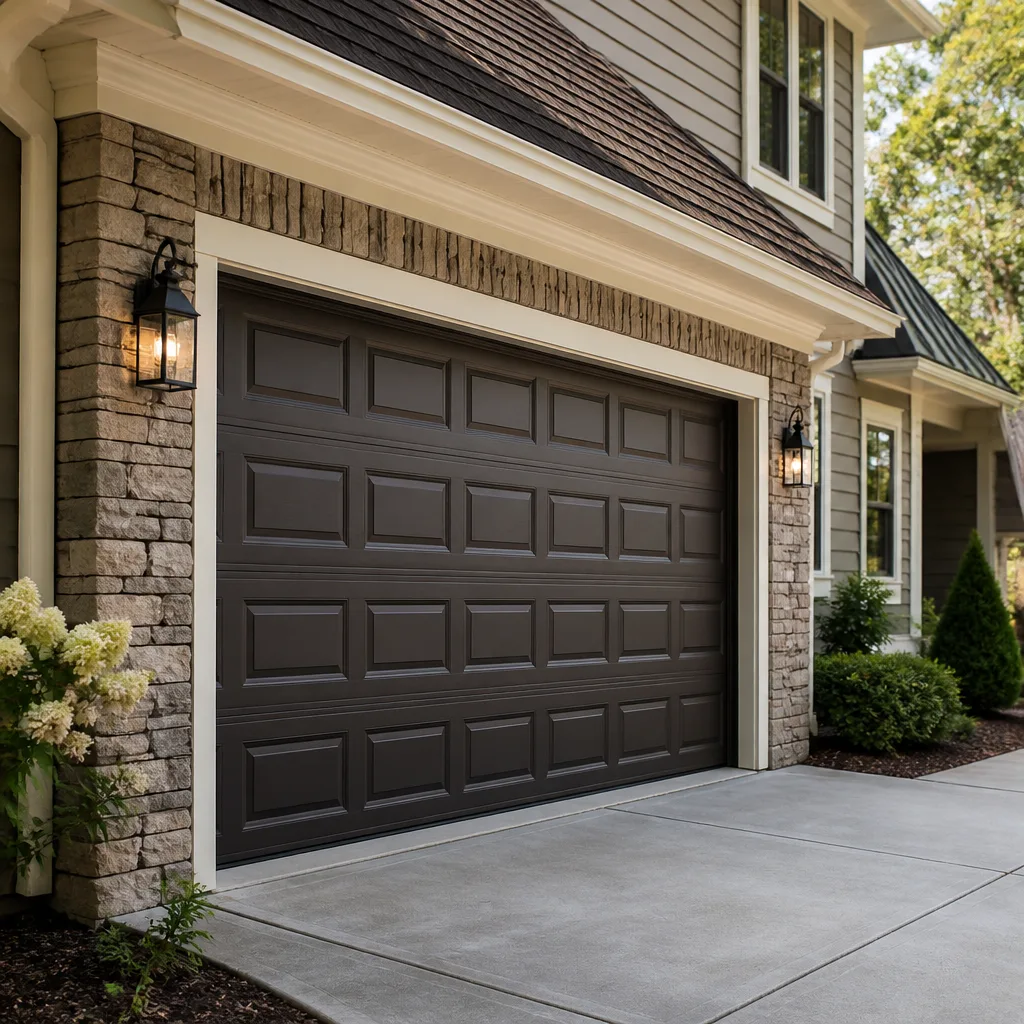 Raised-panel steel
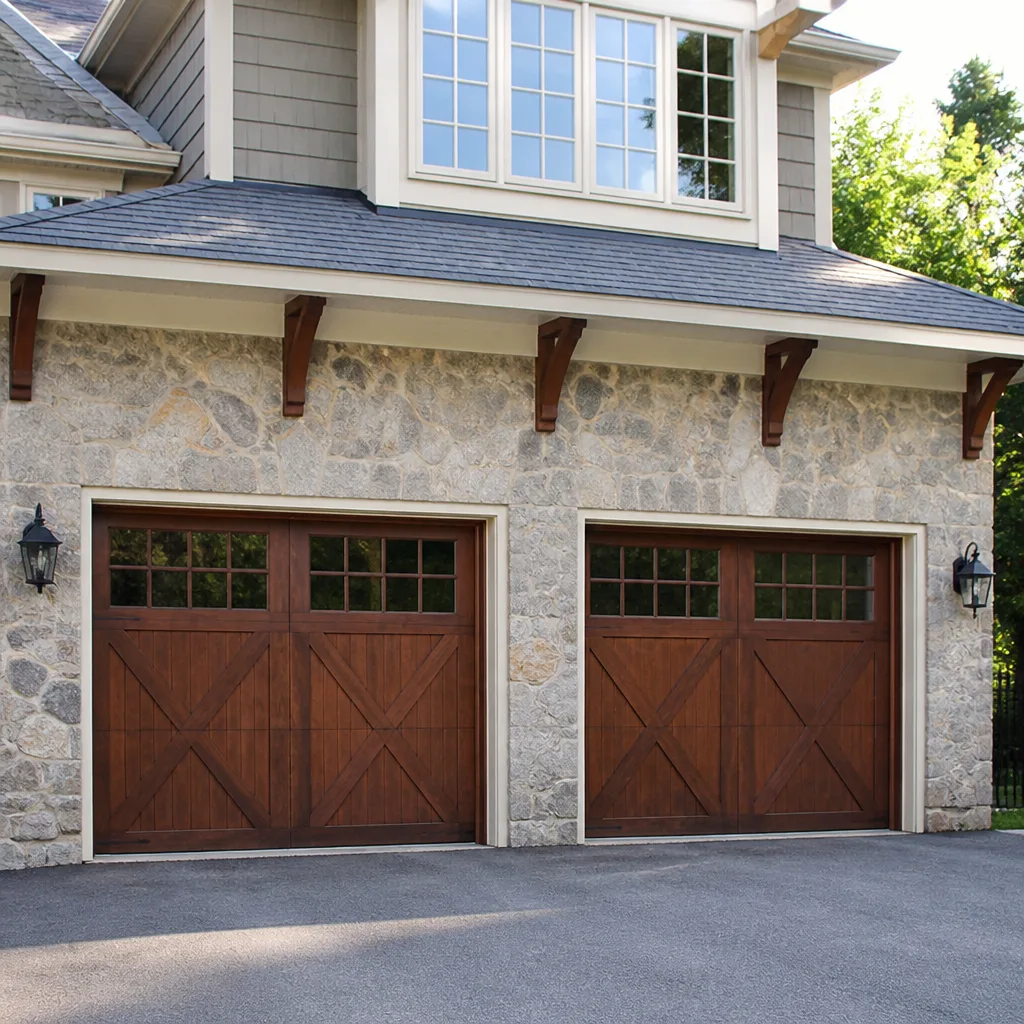 Carriage house
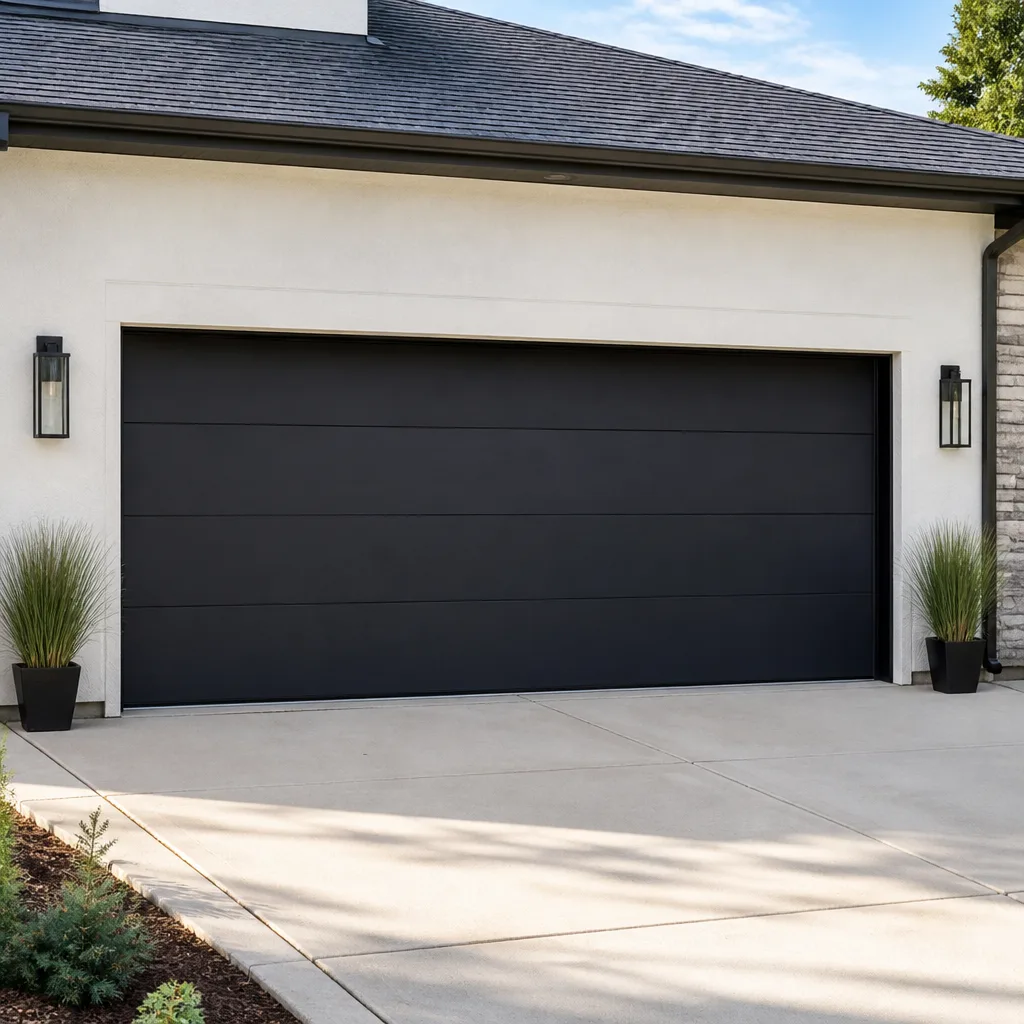 Modern flush
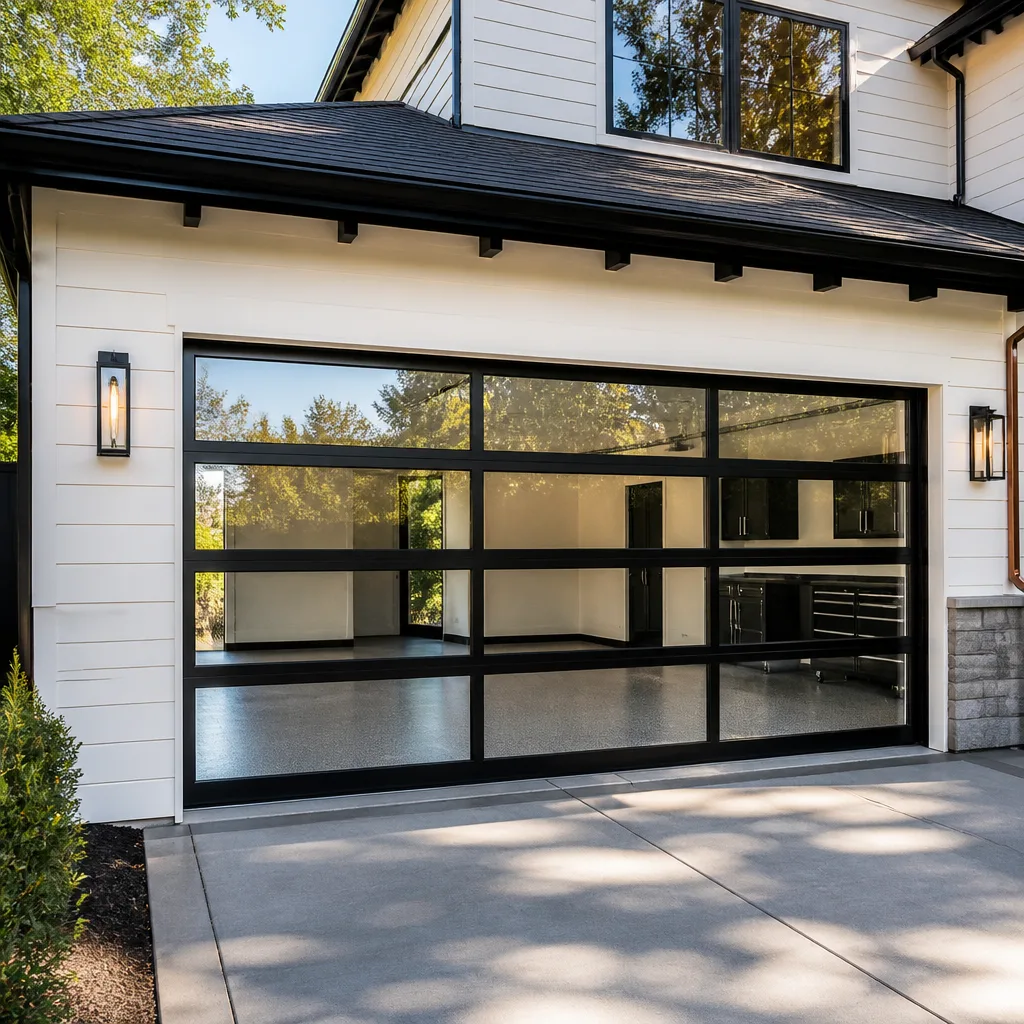 Full-view glass
 LiftMaster openers
 Chamberlain openers
Full 25-point door and opener safety check with every visit - springs, cables, rollers, tracks, and your LiftMaster or Chamberlain opener included
You get a price before we start. It does not change when the pro arrives.
Get your free estimateGarage Door Permits, Codes & Inspections in Elizabeth, NJ: What You Need to Know
Most homeowners in Elizabeth assume that any garage door replacement is a no-permit job, and sometimes they’re right. But the exceptions matter more than the rule. In New Jersey, swapping a garage door for a different size or a different structural type without a permit can surface years later during a title search, when unpermitted structural work gets flagged and a closing stalls over paperwork nobody remembers. This guide explains the specific triggers under the New Jersey Uniform Construction Code that require a permit for garage door work in Elizabeth, when a like-for-like replacement is genuinely exempt, how local zoning affects door style and color in designated historic zones, what a failed inspection actually means, and how to obtain a certificate of compliance after permitted work. Ten minutes here is worth more than a surprise at resale.
Quick Answer
In Elizabeth, NJ, a garage door replacement typically needs a permit only when the work changes the door’s size, alters the structural header, or replaces a fire-rated door assembly. A true like-for-like swap of the same size and type in the same opening is usually permit-exempt, but you should confirm that with the Elizabeth building department before scheduling the work. Any permitted job ends with an inspection and a certificate of compliance that you’ll want for resale.
Styles & brands we work with
- Raised-panel steel
- Carriage house
- Modern flush
- Full-view glass
- LiftMaster openers
- Chamberlain openers
Table of Contents
- What Triggers a Permit Under the NJ Uniform Construction Code
- When a Like-for-Like Replacement Is Permit-Exempt in Elizabeth
- How to Confirm Permit Requirements With the City
- How Elizabeth Zoning Affects Door Style and Color
- What Happens During a Permit Inspection
- What a Failed Inspection Actually Means
- Requesting a Certificate of Compliance After Permitted Work
- Why All of This Matters at Resale
What Triggers a Permit Under the NJ Uniform Construction Code
New Jersey regulates construction through the Uniform Construction Code, and that code governs garage door work the same way it governs any other structural change to a home. The question isn’t whether the door is a garage door. It’s whether the work changes the building envelope or a structural opening. Three triggers reliably push a job into permit territory.
Size change. If the new door is wider or taller than the existing opening, the framing around it has to be modified. That means altering the header, the jambs, or both. Any change to the structural framing of a wall is a permit job under the code, whether the wall is load-bearing or not. A homeowner who widens a single door opening to fit a double door, for instance, is changing the header, and the permit is required.
Header modification. Even if the door size stays the same, if the header over the opening needs reinforcement, replacement, or repositioning due to damage or sag, that’s a structural change. We’ve seen older homes in Elizabeth where the original garage header has sagged over time, and correcting it requires a permit because the fix touches the load path of the wall above.
Fire-rated door replacement. Garages attached to a home that shares a wall with a living space sometimes have fire-rated assemblies. In those cases, replacing the door assembly can trigger a permit because the fire separation has to be verified. This comes up most in homes where the garage was originally detached and later enclosed, or where the garage sits under a living area.
Beyond these three, window inserts, added glazing that changes the structural profile, and any door that requires new track anchoring into masonry can push a job toward permit status. When in doubt, ask.
When a Like-for-Like Replacement Is Permit-Exempt in Elizabeth
A true like-for-like replacement is the most common garage door job and the most likely to be exempt. “Like-for-like” means the same opening size, the same general type of door (sectional for sectional, tilt for tilt), the same number of panels, and no alterations to framing, header, or track mounting. The existing tracks and springs typically stay in place or are replaced with matching hardware, and no structural element of the home changes.
In our experience, most Elizabeth homeowners replacing a worn 16-foot sectional door with a new 16-foot sectional of the same design fall into this exempt category. If you’re choosing a Clopay or Amarr door in the same size and style, the swap itself is not a structural change. What the door looks like on the outside is a cosmetic and style decision, not a code issue. What matters to the building department is the opening and the framing, not the finish.
Wayne Dalton and Craftsman doors that match the original profile fall under the same logic. The exemption is about dimensions and structure. If you’re adding windows to the door, changing the panel count, or moving the tracks inward or outward, you’ve crossed from replacement into alteration, and that’s where the permit conversation begins.
The most reliable test: if the crew can remove the old door and install the new one using the existing opening, header, and track footprint without cutting into framing, you’re almost certainly exempt. If anything has to be reframed, that’s your signal to pick up the phone and call the city.
How to Confirm Permit Requirements With the City
We recommend every homeowner confirm permit status with the Elizabeth building department before work starts, even when you believe the job is exempt. The call takes a few minutes and it protects you. Here’s how to do it in a way that gets you a clear answer.
- Describe the work in structural terms, not product terms. Don’t say “I’m replacing a Clopay door.” Say “I’m replacing a 16-foot sectional door with a new 16-foot sectional door in the same opening, no framing changes.” The person on the phone is evaluating the structural work, and structural language gets you a structural answer.
- Ask whether the specific job requires a permit. Have the size, type, and whether the framing or header will change in front of you. If the answer is no, ask whether the department wants any documentation on file. Sometimes a simple record is enough.
- Get the name of the person you spoke with and the date. Write it down. If a question arises later, at resale for instance, having a record of who said what can save time.
- If a permit is required, ask what the application needs. Typically you’ll need a description of the work, the door specifications, and the contractor’s information. The department can tell you exactly what form and what supporting documents they want.
- Ask about inspection scheduling. Know in advance what the inspection will look at and how long after the work you should expect it.
If you’re working with a contractor for the installation, confirm in writing before signing that whoever is pulling the permit is spelled out explicitly. This one detail prevents most of the headaches we see downstream.
How Elizabeth Zoning Affects Door Style and Color
Elizabeth has several designated historic districts and overlay zones where the appearance of a home’s façade is regulated separately from the construction code. If your home sits inside one of these areas, even a permit-exempt replacement can still be subject to design review. That review covers things the building code doesn’t care about: door style, panel configuration, color, window placement, and finish.
What this looks like in practice: a homeowner in a historic overlay might be told a carriage-style door with recessed panels in a specific palette is acceptable, while a modern flush-panel door in bright white is not. The rules aren’t arbitrary, but they do vary by zone, and they’re not always obvious from the code alone.
We’ve found that the cleanest way to navigate this is to check with the Elizabeth planning or zoning office before you order a door. Ask specifically whether your address falls inside a historic district or overlay zone, and if so, request the design guidelines that apply. Getting this answer before you schedule the install saves you from ordering a door that gets rejected on appearance grounds. Wayne Dalton’s carriage house styles are common in these areas for exactly this reason; they match the architectural vocabulary that many of Elizabeth’s older neighborhoods expect.
Color and finish are the two most frequent sticking points. If the guidelines call for a specific palette, order accordingly. The door itself may be structurally fine and still fail visual review.
What Happens During a Permit Inspection
When a job requires a permit, the process ends with an inspection. The inspector is verifying that the work matches what the permit was issued for and that the installation meets the code. In our experience, a permitted garage door job typically gets one inspection at completion, though older homes with structural work might get an intermediate inspection before the door goes on.
During the completion inspection, the inspector will usually check:
- That the door dimensions and type match the permitted scope
- That the framing, header, and any structural modifications are complete and sound
- That the door opens and closes correctly and the safety features are present
- That the door anchors and tracks are properly secured
- That any fire-rated assembly has the correct door installed and gap clearances
You don’t need to be present for the inspection in most cases, though we recommend confirming with the inspector whether anyone needs to be on-site. The contractor who pulled the permit is usually the point of contact for scheduling and for being on hand during the inspection.
If the job is substantial, expect the process to take a few days from final installation to passing inspection and having the paperwork issued. Don’t schedule a closing or a refinance appraisal assuming the certificate will be in hand by a specific date until after the inspection passes.
What a Failed Inspection Actually Means
A failed inspection is usually a paperwork gap or a scope mismatch, not a structural catastrophe. The inspector finds that the door doesn’t match what the permit described, or that a framing detail isn’t complete, or that a required feature is missing. They issue a correction notice describing what needs to change, and the work gets revised and then re-inspected. Nothing dramatic about it, but the homeowner needs to know who’s responsible for the fix.
The general rule in New Jersey is that the permit holder is responsible for corrections. If a contractor pulled the permit in their name, they are responsible for bringing the work into compliance and for scheduling the re-inspection. If you pulled the permit as the homeowner, you’re the one on the hook. This is precisely why the permit-pulling relationship should be clear in the contract before any work starts.
Where a failure becomes a genuine problem is when the contractor pulled the permit, the work failed, and the contractor is unreachable or unwilling to return. The homeowner is then stuck holding the correction, which can mean paying someone else to finish and adding time to the project. Choose contractors with a physical local presence and an accountable name, and put the permit responsibility in writing.
At Hartwell Garage Door Repair, when a customer needs permitted work done, we help clarify upfront who is pulling the permit and what the scope will say. Our garage door repair work in Elizabeth includes plenty of jobs that never touch a permit, but when a job crosses into structural territory, we don’t gloss over it.
Requesting a Certificate of Compliance After Permitted Work
A certificate of compliance, sometimes called a certificate of occupancy or a certificate of approval depending on the inspection type, is the document the city issues after the inspection passes. It’s the official record that permitted work was done and inspected. For a garage door replacement, it typically comes in the form of an inspection sign-off, but the paper trail is the point.
To get it, the step-by-step is:
- Complete the permitted work to the scope described in the permit.
- Schedule the final inspection through the Elizabeth building department, usually by phone or through the department’s inspection request process.
- Pass the inspection. The inspector signs off on the work.
- Request the certificate or record of approval from the department. Ask specifically what document you’ll receive and how long it takes to issue.
- Keep a copy with your home records. You’ll want it available for resale, appraisal, refinance, or insurance purposes.
If the permitted work was pulled by a contractor, the contractor should provide you with a copy of the signed-off permit and the certificate once issued. Don’t accept a verbal confirmation that everything is fine; get the document and file it with your closing paperwork.
Why All of This Matters at Resale
When you sell a home in Elizabeth, the buyer’s attorney will likely run a title search and, in some cases, a permit search. If unpermitted structural work shows up, it becomes a negotiation item. The buyer’s attorney will ask for evidence that the work was permitted and inspected, and if the homeowner can’t produce it, closing can stall while the work is retroactively permitted or a credit is negotiated.
The problem is that retroactive permitting is more work than permitting in advance. It often requires the seller to open a permit, schedule an inspection on work that may have been done years ago, and fix whatever the inspector flags. In parts of Elizabeth with older housing stock, the framing behind the door might have aged in ways that make retroactive sign-off harder than the original install would have been. What would have been a permit application before installation becomes a research project after.
Consider the reverse scenario: you have a permitted job, the certificate is on file, and the buyer’s attorney sees it and moves on. That’s the value of doing it right. For a homeowner who’s had a new Clopay or Amarr door installed in Elizabeth with the paperwork to prove it, the permit file is a quiet asset when the home changes hands.
Common Mistakes to Avoid
- Assuming a size change is exempt. Homeowners often believe a slightly wider door is close enough to like-for-like to skip the permit. Any change to the opening dimensions is a structural alteration under the code, and it will likely surface in a later search. Confirm before you order.
- Ordering the door before checking historic district rules. Elizabeth’s overlay zones regulate color and style, and the wrong door can be rejected on appearance grounds even when the installation passes inspection. Check zoning before you buy.
- Not putting the permit-pulling responsibility in writing. When neither the homeowner nor the contractor has confirmed who is opening the permit, work often starts with neither party doing it. Write it into the contract.
- Paying cash and skipping the closure document. A permit file with no certificate of compliance is not much better than no permit at all. Get the signed-off document and keep it with your home records.
- Ignoring a fire-rated assembly. In Elizabeth homes where the garage shares a wall with living space, replacing a garage door without verifying whether the assembly is fire-rated is a real risk. Ask the building department specifically.
- Assuming the exemption question is settled forever. Zoning rules, historic district boundaries, and inspection procedures can change. If it’s been several years since your last garage door project, re-verify with the city rather than relying on what a neighbor was told.
- Hiring a contractor without a local identity. When a permit issue comes up and the contractor who pulled it is unreachable, the homeowner carries the correction cost. Hiring a named, accountable local business avoids this entirely.
See the difference
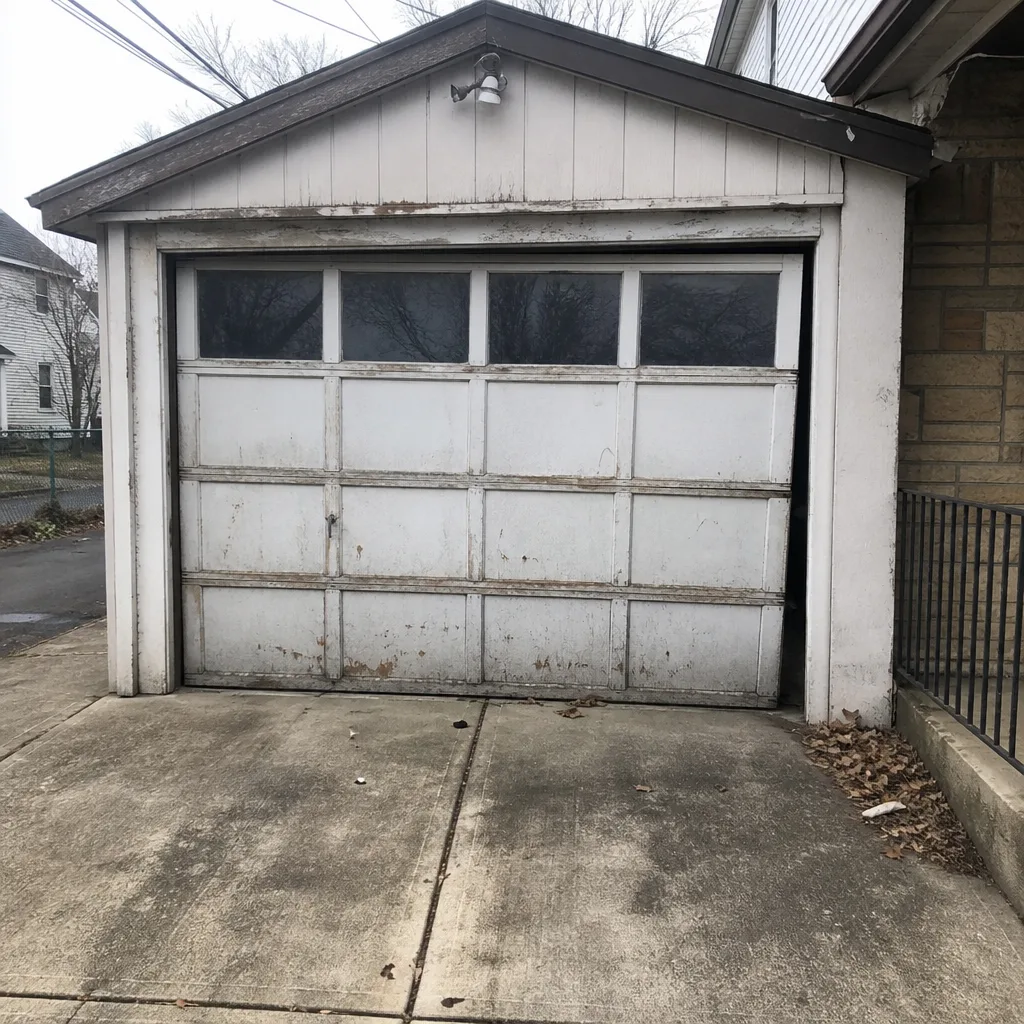 Before
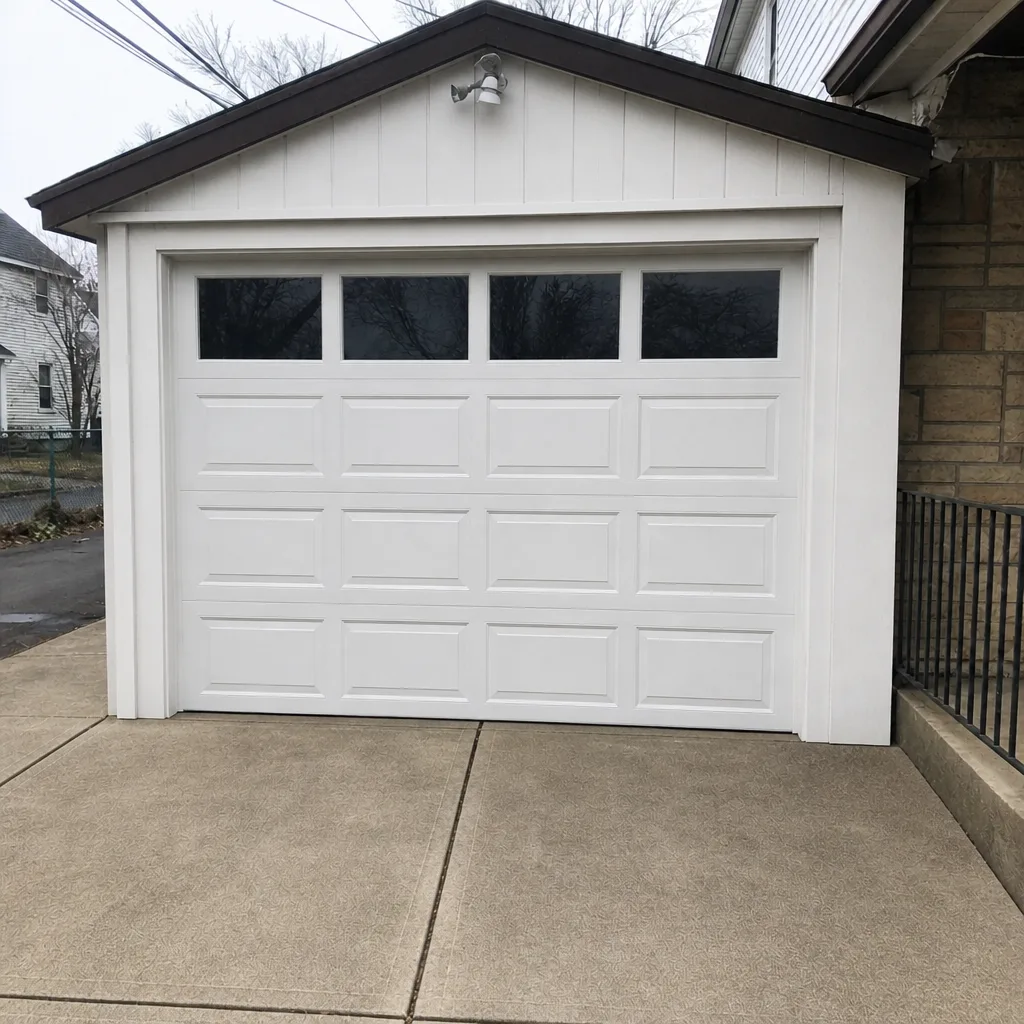 After
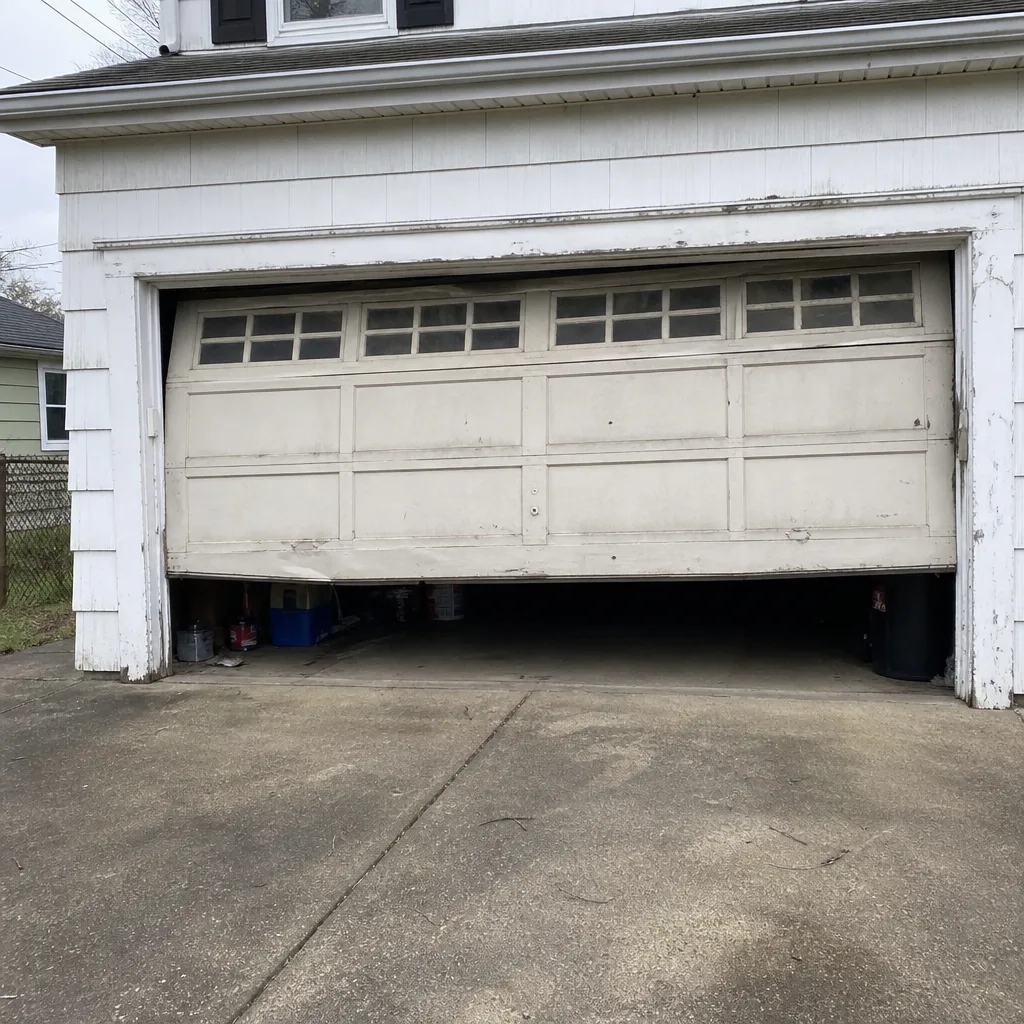 Before
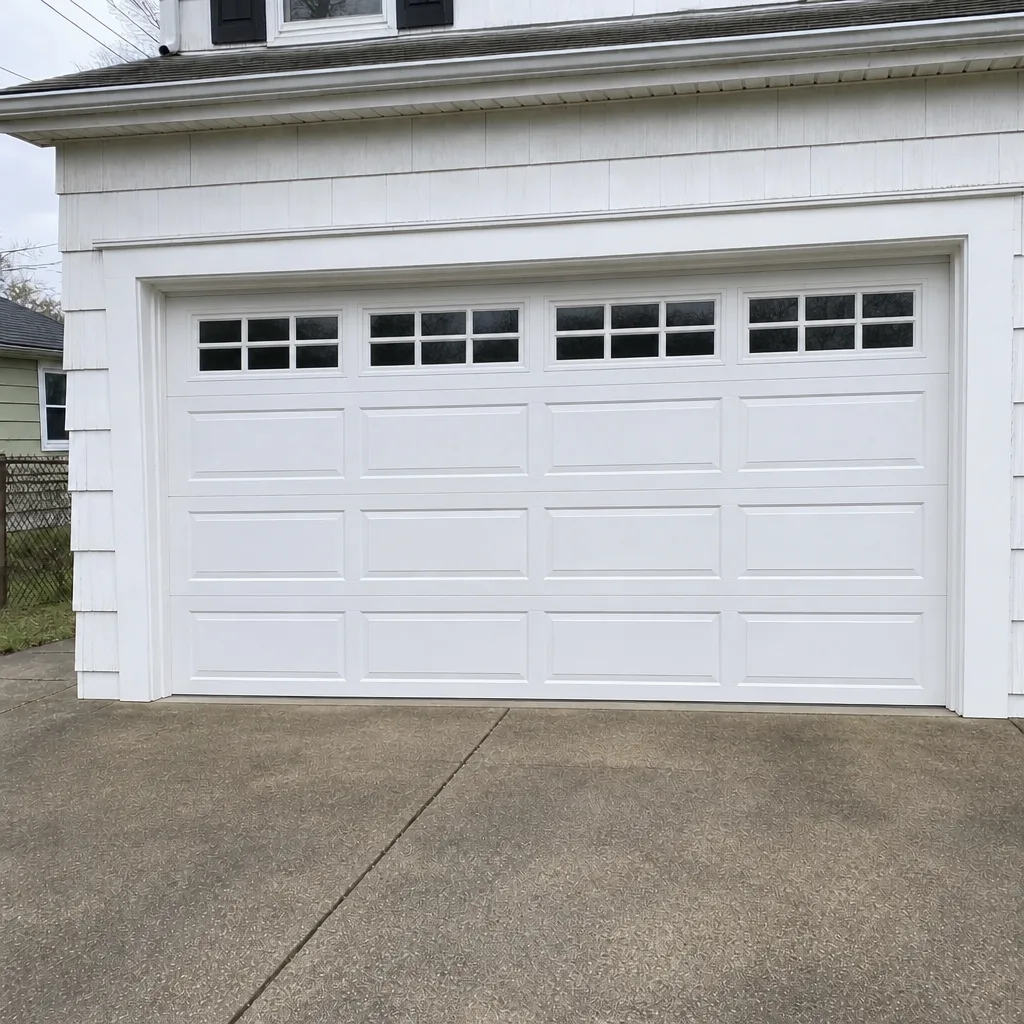 After
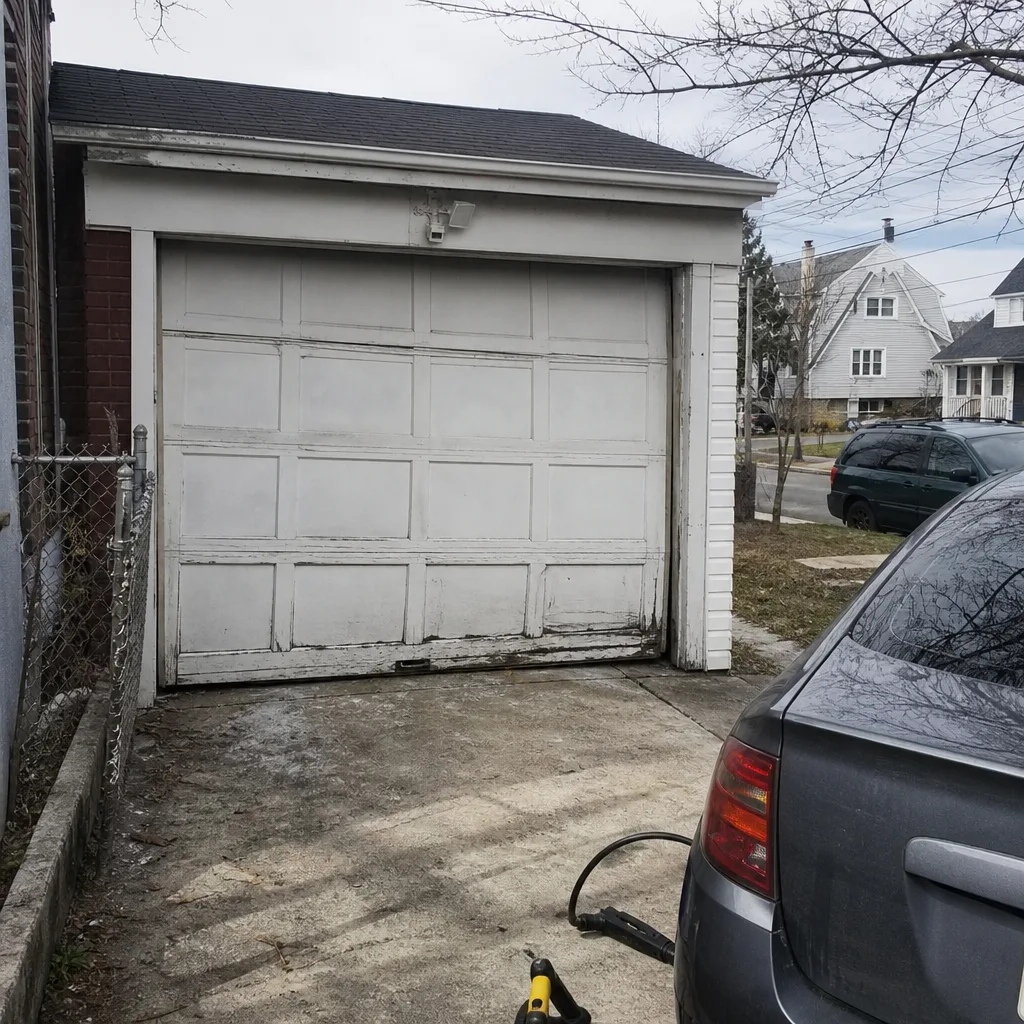 Before
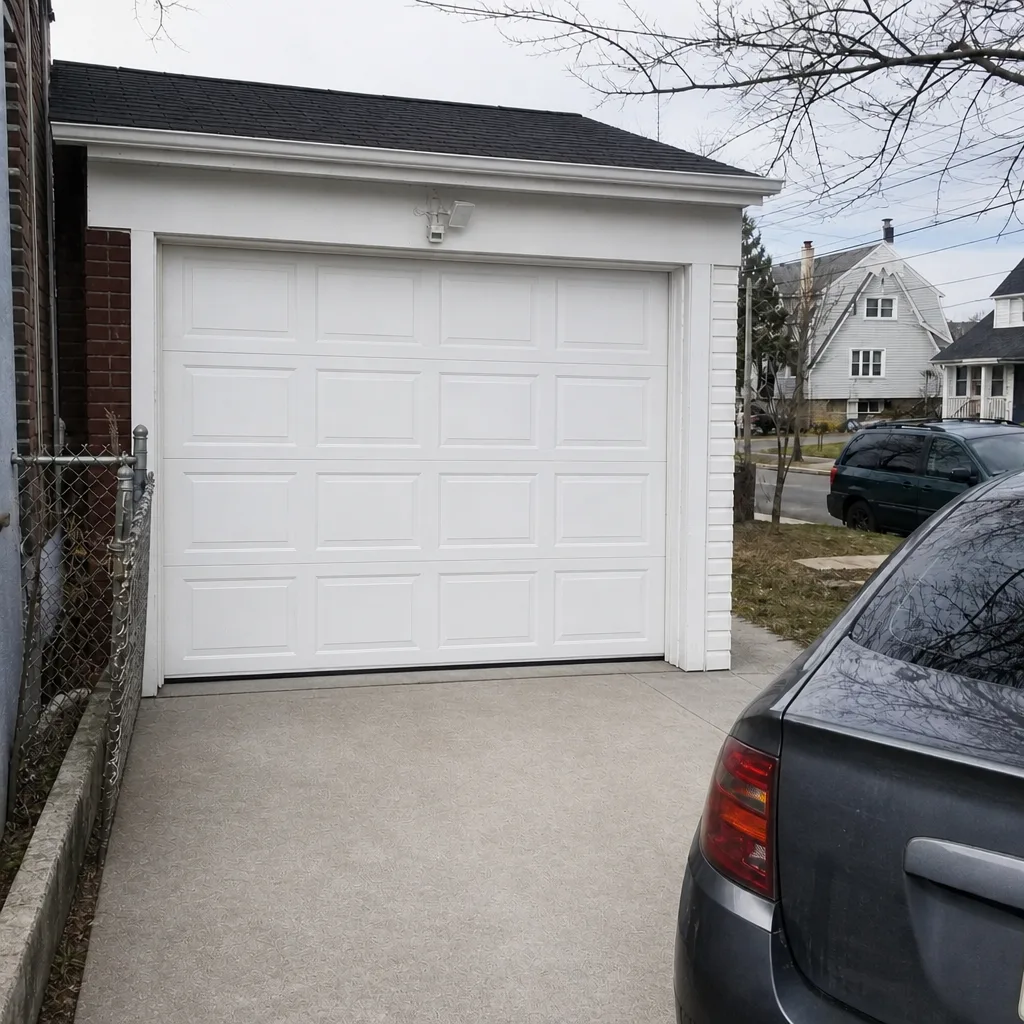 After
When to Call a Professional
Any garage door job that touches structural framing, changes the opening size, or involves a fire-rated assembly should include a professional, both for the installation and for the permit conversation. The structural work has to be done to code, and the inspection needs someone on-site who knows what the inspector will look for. Spring, cable, and opener work carries its own safety risk that has nothing to do with permits, and that’s another strong reason to leave the work to trained hands.
If you’re not sure whether your job needs a permit, the safest move is a free in-person estimate. We’ll look at the opening, the framing, the existing door, and the surrounding structure, and tell you plainly whether the job is a straightforward like-for-like replacement or whether it crosses into a permitted scope. Hartwell Garage Door Repair offers free estimates in Elizabeth. Call (833) 946-9108 to schedule one.
For permitted installation work or a replacement that needs scheduling, we handle the project as a measured, ordered job rather than a same-day dispatch, so you get a free measure and a written estimate before any door is ordered. For garage door opener repair or a door that just isn’t working right, we can get out much faster.
Frequently Asked Questions
You usually do not need a permit for a true like-for-like replacement in Elizabeth when the size, type, and framing stay the same. You do need one when the door size changes, the structural header is modified, or the replacement involves a fire-rated assembly. Confirm with the Elizabeth building department before work starts, even if you believe your job is exempt.
Unpermitted structural work can be flagged during a buyer’s title or permit search, and it typically becomes a negotiation item at closing. The buyer’s attorney will often request proof that the work was permitted and inspected, and if that proof doesn’t exist, the closing can be delayed while the work is retroactively permitted or a credit is negotiated. The fix is cheaper and simpler if it’s done in advance.
Permit fees vary by the scope of the work and are set by the city, not by the contractor. We don’t quote a permit fee because the amount depends on how the work is classified by the Elizabeth building department. Ask the department directly when you call about your project, and remember that any door pricing we provide is separate from the city’s permit fee.
Yes. If your home sits inside a designated historic district or overlay zone in Elizabeth, door style, color, panel configuration, and window placement may need design review even on a permit-exempt replacement. The rules vary by zone, and color is the most common sticking point. Check with the Elizabeth planning or zoning office before ordering.
The permit holder is responsible. If a contractor pulled the permit in their name, they’re on the hook for corrections and re-inspection. If you pulled the permit as the homeowner, you’re the one responsible. That’s why it’s important to have the permit responsibility spelled out in writing before work starts.
Yes. We handle garage door installation in Elizabeth, including jobs that require permits, and we can help you understand the scope before you commit to a door. Our technicians have up to 8 years of experience and work on the equipment you already own, whether it’s a Clopay, Amarr, Wayne Dalton, or Craftsman door. Call (833) 946-9108 for a free estimate.
The Bottom Line
Most garage door replacements in Elizabeth don’t need a permit. The ones that do involve a size change, a header modification, or a fire-rated assembly, and those are precisely the jobs where skipping the paperwork costs the most later. Confirm with the building department before work starts, check historic district rules before you order a door, put the permit-pulling responsibility in writing, and file the certificate of compliance once the inspection passes. Whether your next project is a Hartwell Garage Door Repair-supported installation or an Elizabeth replacement you’re scheduling this season, ten minutes of permit clarity is worth every minute.
When you’re ready for a professional eye on your garage door project, call (833) 946-9108 for a free estimate. We answer 24/7. Fast dispatch from 7am to 7pm, Sunday through Friday, and we’re closed Saturday. We install, repair, and maintain lift systems and doors from LiftMaster, Chamberlain, Genie, Clopay, Amarr, Wayne Dalton, Craftsman, and Raynor, and we’d rather you know the permit answer before you buy the door.
Written by the team at Hartwell Garage Door Repair.