
Last updated November 14, 2026
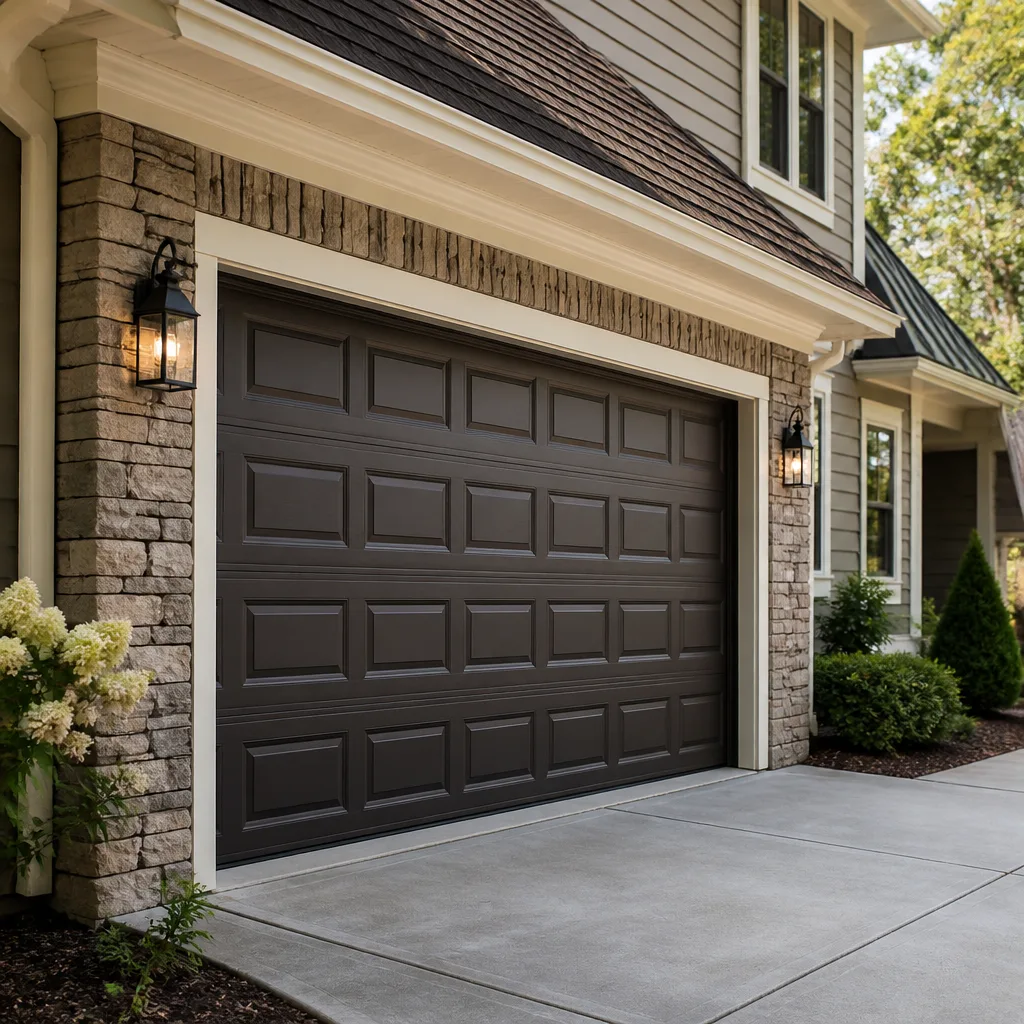 Raised-panel steel
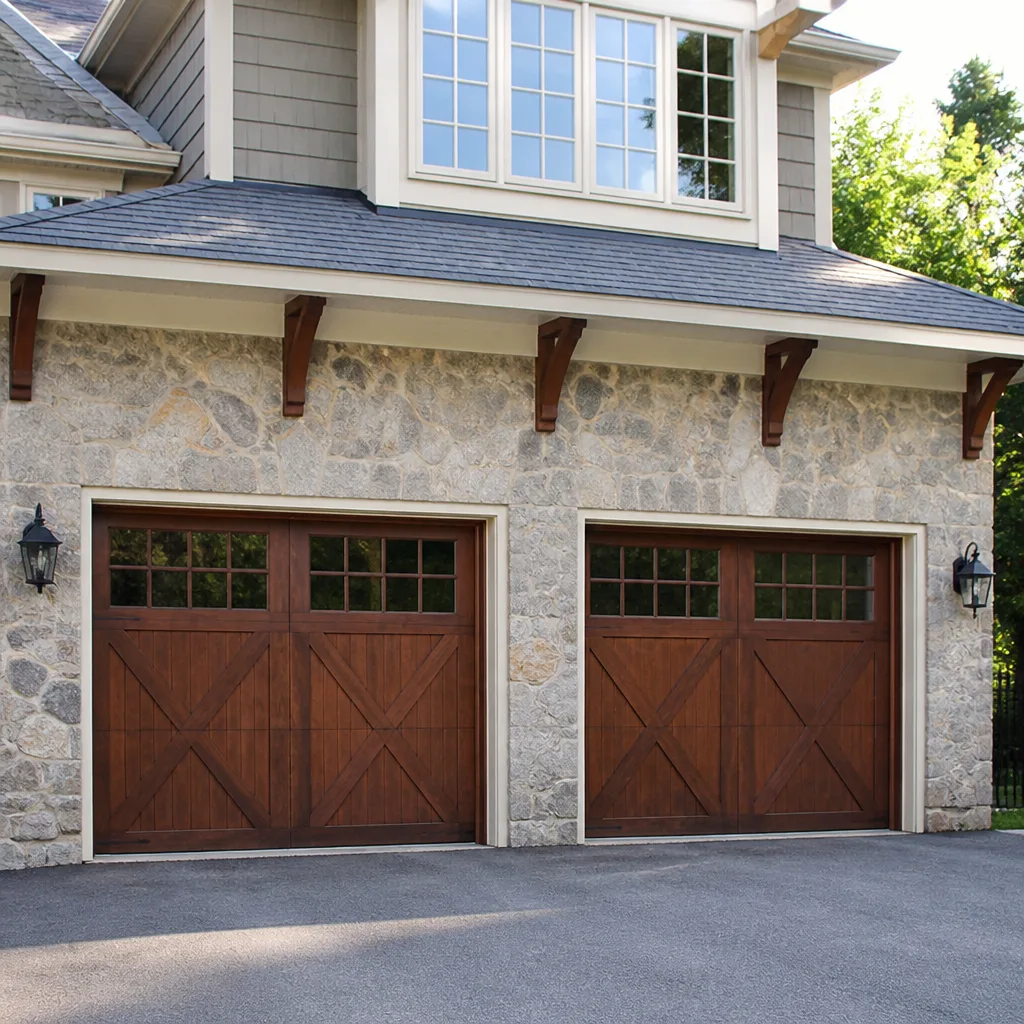 Carriage house
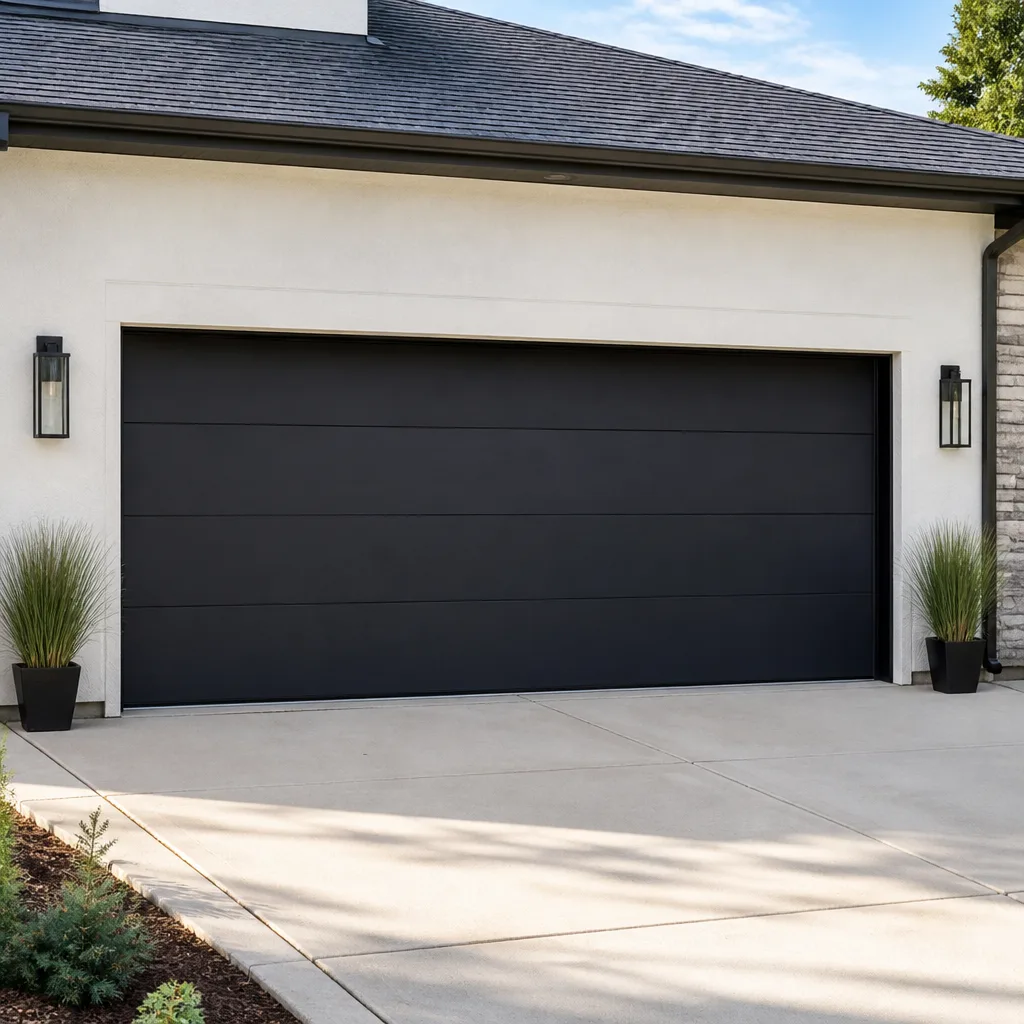 Modern flush
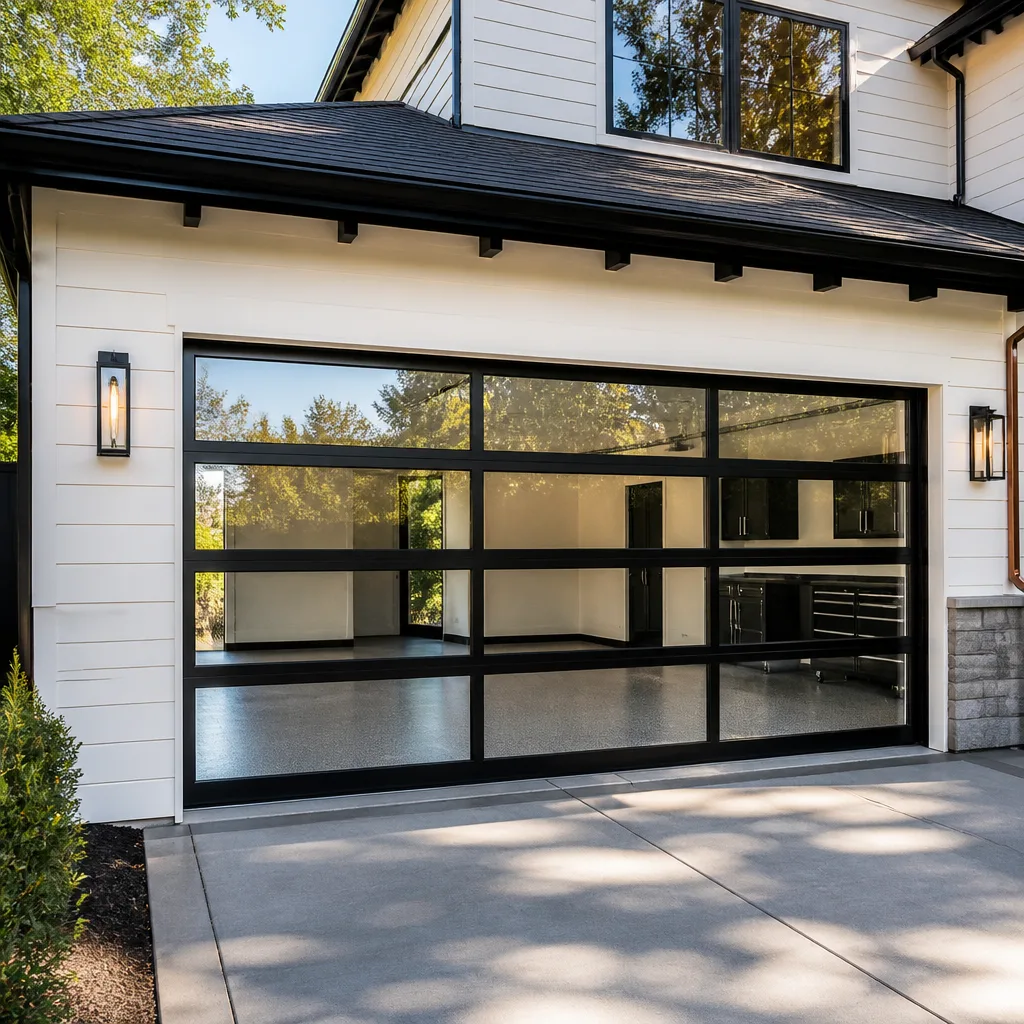 Full-view glass
 LiftMaster openers
 Chamberlain openers
Full 25-point door and opener safety check with every visit - springs, cables, rollers, tracks, and your LiftMaster or Chamberlain opener included
You get a price before we start. It does not change when the pro arrives.
Get your free estimateGarage Door Repair Maintenance Checklist for Elizabeth Homeowners
Most garage door maintenance advice you’ll find online is written as though every door is the same and every month is the same. It isn’t, and it isn’t. A Chamberlain opener on a Clopay steel door in a house off Elmora Avenue gets different wear than a Wayne Dalton system a few blocks away, and a door in July faces very different stress than a door in February. The spring that snaps in a cold snap and the sensor that drifts after a week of freeze-thaw are not the same failure, and a generic checklist won’t tell you which to watch. This guide is organized by what you actually own and when you’re actually doing the work, so you can follow it in Elizabeth without guessing. You’ll learn the monthly five-minute inspection, the annual hands-on service, brand-specific notes, and which tasks genuinely prevent the expensive failures.
Quick Answer
A garage door maintenance checklist for an Elizabeth home has two tracks: a five-minute monthly visual inspection (springs, cables, rollers, seal, sensors, balance) and an annual hands-on service (lubrication, hardware tightening, track alignment, opener force and travel check). The single highest-value task is lubricating the torsion spring anchor plate and the moving hardware before the cold snap hits, because that one step does more to prevent a mid-winter spring failure than anything else on the list.
Styles & brands we work with
- Raised-panel steel
- Carriage house
- Modern flush
- Full-view glass
- LiftMaster openers
- Chamberlain openers
Table of Contents
- Why Elizabeth Doors Wear Differently
- The Five-Minute Monthly Visual Inspection
- The Annual Hands-On Service
- What to Check After Elizabeth’s Freeze-Thaw Cycles
- Brand-Specific Notes: Chamberlain, LiftMaster, Clopay, Wayne Dalton
- Maintenance Tasks Ranked by Cost-Avoidance Value
- How to Document Your Door’s Condition Over Time
- A Month-by-Month Calendar for Elizabeth
Why Elizabeth Doors Wear Differently
Northern New Jersey sits right in the middle of a freeze-thaw band, and Elizabeth feels it in its garage doors more than most homeowners realize. The temperature swings we get between December and March run a door’s metal through repeated expansion and contraction, and every cycle works slightly at the seams, the fasteners, and the bottom seal. A door that opens and closes cleanly in October can start dragging by January without anything “breaking” in an obvious way.
There’s a second local factor: Elizabeth’s housing stock is old and mixed. You’ll find detached and attached garages from every era, some with original wood panel doors that have been retrofitted with modern openers, others with more recent steel doors. That matters because the door and the opener age on separate clocks. A 2010s opener on a 1970s door is common here, and the opener’s force settings end up compensating for a door that’s no longer balanced.
We’ve seen other local patterns worth naming:
- Freeze-thaw cycles squeeze the bottom seal against a sloped or settled concrete floor, so the seal compresses unevenly and lets cold air and moisture in.
- Track gaps open up where tracks bolt to the frame as the wood or masonry behind them moves with the seasons.
- Sensor drift shows up after wet weeks and frost, when the safety sensors lose their alignment and the door refuses to close.
None of these are emergencies on their own. But each one, left alone, transfers stress to the springs and the opener. That’s the whole logic behind a checklist organized by season and system rather than by a generic list of tasks.
The Five-Minute Monthly Visual Inspection
The monthly inspection is a look, not a touch. It takes five minutes and it catches the small things before they become the expensive things. Do this once a month, ideally the same weekend each time so it becomes a habit. You don’t need tools for most of it.
Here’s the routine:
- Look at the springs from a safe distance. A torsion spring above the door or an extension spring along the track should show no visible gap, no rust-through, and no sagging. If you see a clear gap in a torsion spring, that’s a broken spring. Stop using the door and call for repair.
- Check the cables where they run along the tracks. Look for fraying, kinks, or slack. A cable off its drum is a red flag.
- Check the rollers in their brackets. Look for cracks in nylon rollers or flat spots on steel ones.
- Check the bottom seal for tears, compression, and gaps against the floor. A flashlight under the closed door will show daylight where the seal has failed.
- Check the safety sensors at the base of the tracks. The lenses should be clean and facing each other. Wave a hand between them and the door should not close. If it does, the sensors are misaligned or the opener needs adjustment.
- Check the balance by disconnecting the opener (pull the release cord with the door closed, then lift it about halfway by hand) and letting go. It should hold roughly in place. If it drops or rises on its own, the springs are out of balance.
That’s the whole check. If anything looks wrong, note it and move to the annual service below or call it in. Don’t try to adjust springs or cables yourself. More on that in a moment.
The Annual Hands-On Service
The annual service is where the real preventive work happens, and it’s a job for someone who knows what they’re looking at. It covers things the monthly inspection can’t: lubrication with the right product, hardware torque, track alignment, and the opener’s internal force and travel settings.
Here’s what a proper annual service on an Elizabeth door includes:
- Lubricate the moving parts with a garage-door-specific lubricant: rollers, hinges, bearing plates, and the torsion spring anchor plate. Not WD-40 and not motor oil. The right product is a lithium or silicone-based spray that stays put.
- Tighten all hardware – hinges, brackets, and track bolts. Loose fasteners are a leading cause of roller wear and noisy doors.
- Align the tracks and check for gaps between the track and the frame. Tracks that are out of plumb cause the door to bind and the opener to strain.
- Check the opener’s force and travel limits per the manufacturer’s manual. This is where brand matters: a LiftMaster and a Genie have different adjustment procedures, and a Chamberlain’s smart features have to be re-checked after a battery or power event.
- Test the safety reverse with a 2×4 laid flat under the closing door. The door should reverse on contact.
- Inspect the spring cycle count if your opener tracks it, and note the condition of the springs against their rated cycles.
If you have any doubt about the springs or the opener settings, that’s a professional job. Torsion springs are under very high tension; a wrong turn of a winding bar can cause serious injury. That’s the one part of the annual service we never recommend for a homeowner.
A trained technician handles this in one visit, and having it done properly is what keeps a door from becoming a garage door repair job. Our technicians have up to 8 years of experience and arrive familiar with the system in your garage, so the service is matched to what you own.
What to Check After Elizabeth’s Freeze-Thaw Cycles
Freeze-thaw is the local condition most standard checklists ignore entirely, and in Elizabeth it’s the one that does the most quiet damage. Every time the temperature crosses freezing, the metal in the door, the tracks, and the opener rail moves a fraction. Over a winter, those fractions add up.
After a cold snap or a hard freeze, check these four things:
- Bottom seal compression. If the seal has flattened on one side, the door closes against the floor at an angle. That uneven load works the springs and the opener. Look for a gap under one corner after a cold night.
- Track gaps. Look where the vertical track meets the door frame. A gap that opens after a freeze means the track has pulled slightly away and the door is running off-line.
- Sensor drift. The safety sensors at the base of the tracks shift when the concrete and framing move. If the door stops and reverses on its own, the sensors are the first thing to check, and the fix is usually a simple realignment.
- Spring noise. A door that suddenly gets louder in cold weather is telling you the springs or rollers need lubrication. That’s the warning, not the failure.
One step worth calling out specifically: lubricating the torsion spring anchor plate. It’s the small plate the spring coils around, and it’s easy to skip because it’s not on most online lists. Skipping it accounts for a disproportionate share of mid-winter spring failures in cold-snap climates like northern New Jersey. The anchor plate takes a lot of load, and when it’s dry the spring works harder on every cycle. A quick spray with the right lubricant before the cold arrives is the cheapest insurance on the whole checklist.
Brand-Specific Notes: Chamberlain, LiftMaster, Clopay, Wayne Dalton
This is where a generic checklist falls down. The most common systems in Elizabeth homes each have their own quirks, and knowing yours tells you what to check first. We work on what you already have, so the notes below are about recognizing your equipment, not switching it.
Chamberlain and LiftMaster
These two are built on the same platform, and they’re the most common openers we see in Elizabeth. If you have a Chamberlain or a LiftMaster, the monthly job is checking the safety sensor lenses and the wall control. The annual job is verifying the force and travel limits and testing the battery backup if your unit has one. Smart features (myQ or Wi-Fi) need a re-check after any power event; a lost connection is almost always a network or battery issue, not a motor failure.
Clopay
Clopay doors are common on Elizabeth homes of all vintages, from steel raised-panel to more insulated models. On a Clopay, pay attention to the hinges and the bottom seal. Panel doors have more hinges than you’d expect, and each one is a point of wear. Check the seal after every freeze; it’s the first thing to compress.
Wayne Dalton
Wayne Dalton doors often use a specific track and roller configuration, and the rollers need the right lubricant so they don’t bind. On these doors, the annual track alignment matters more than most; a Wayne Dalton running slightly out of plumb puts stress on the springs.
Genie and Raynor
Genie openers are also common and have their own force-setting procedure; don’t assume the LiftMaster steps apply. Raynor doors are sturdy but still benefit from the same hinge and roller checks. The rule across all six brands in our coverage (plus the wider list we service) is the same: check the seal, the sensors, the hinges, and the springs, and know which brand’s adjustment procedure applies before you touch the opener settings.
If you’re not sure what you own, that’s fine. Our garage door opener repair service starts with identification; a technician who arrives familiar with the exact system is who you want.
Maintenance Tasks Ranked by Cost-Avoidance Value
Not every task on a checklist is worth the same. Some prevent a $200 fix, some prevent a $2,000 one. Here’s our ranking, from highest cost-avoidance to lowest, based on what we actually see go wrong in Elizabeth homes:
- Spring lubrication and anchor plate service. The single most valuable task. A lubricated spring runs cooler and lasts longer, and the spring is the most expensive single component to replace.
- Bottom seal inspection and replacement. A failed seal lets in moisture that rusts the door and the tracks. Cheap to replace, expensive to ignore.
- Opener force and travel adjustment. A mis-set opener strains the motor and the door. Adjusting it costs nothing; replacing the opener does not.
- Track alignment. Tracks out of plumb wear rollers and stress springs. An alignment visit is inexpensive; a spring and roller replacement is not.
- Safety sensor check. Not a cost-avoidance item so much as a safety one, but a sensor that fails means the door won’t close. Easy to fix, easy to miss.
- Hardware tightening. Small, but it prevents the rattles that lead to roller and hinge wear.
If you only do one thing this year, do the first. Lubricate the springs and the anchor plate before the cold season, and you’ve handled the largest single risk on the door.
How to Document Your Door’s Condition Over Time
A single inspection tells you what’s wrong now. A record tells you what’s trending. That difference matters when you call a technician, because a door that’s been slowly getting louder over three winters is a very different diagnosis from a door that got loud last week.
Here’s a simple system any Elizabeth homeowner can keep:
- Keep a one-page log on the inside of the garage door frame or on your phone. Note the date and one line: “seal compressed on left,” “door louder in cold,” “sensor needed realignment after freeze.”
- Photograph the springs and tracks once a season. A photo of the same spot each time shows sag or rust you’d miss if you looked every day.
- Note the opener’s behavior – any change in speed, noise, or the way it reverses. A technician can spot a trend from your notes in seconds.
- Bring the log to your annual service. It turns a routine visit into a targeted one.
This is the step most people skip, and it’s the one that turns a checklist into real insight. A technician who sees your record can spot a spring approaching the end of its life before it fails, which is exactly the call you want to make on your terms rather than at 7am with a car trapped inside.
A Month-by-Month Calendar for Elizabeth
Timing the work to the season is the second half of the angle. Here’s what to do when, built around Elizabeth’s weather:
- Spring (March-May): Post-winter inspection. Check the seal, the tracks, and the sensors after the last freeze. Book the annual service now, before summer.
- Summer (June-August): The easiest season on the door. Do the annual lubrication and hardware tightening. This is the best time for any installation or replacement work, since the door is measured and ordered and the schedule is less crowded.
- Fall (September-November): Pre-winter prep. Lubricate the springs and anchor plate. Check the seal and replace it if compressed. Test the safety reverse. This is the month that pays for itself.
- Winter (December-February): Watch, don’t work. Monthly visual inspection only. If the door gets loud or slow, note it and call; don’t climb up to adjust anything in the cold.
When a door fails, the call matters more than the calendar. We answer 24/7. Fast dispatch from 7am to 7pm, Sunday through Friday, and we’re closed Saturday. If a door fails on a Saturday, call and we’ll book you for Sunday.
Common Mistakes to Avoid
- Using WD-40 or motor oil on the springs and rollers. These attract dirt and gum up the mechanism. Use a garage-door-specific lithium or silicone lubricant, and reapply before the cold, not after.
- Trying to adjust a torsion spring yourself. This is the one task that can cause serious injury. Springs are under high tension and require winding bars and training. Leave the springs to a professional, every time.
- Ignoring a sensor that drifts after a freeze. It’ll close the door when it shouldn’t, or refuse to close at all. A sensor that’s been bumped and not realigned is a safety problem, and it’s a quick fix when caught early.
- Skipping the bottom seal. Elizabeth’s freeze-thaw cycles flatten the seal faster than most climates. A compressed seal lets in moisture that rusts the door and the tracks, and it’s cheap to replace.
- Over-tightening the opener’s force setting to fix a binding door. If the door binds, the door is the problem, not the opener. Cranking up the force just strains the motor and hides the real issue.
- Not knowing your brand. A LiftMaster, a Chamberlain, and a Genie each have their own adjustment steps. Guessing the procedure can set the opener wrong. Find the label on the motor head before you touch any settings.
- Waiting for a failure instead of a trend. A door that’s been getting louder for three winters is telling you a spring is on its way out. Document it and act before it snaps, not after.
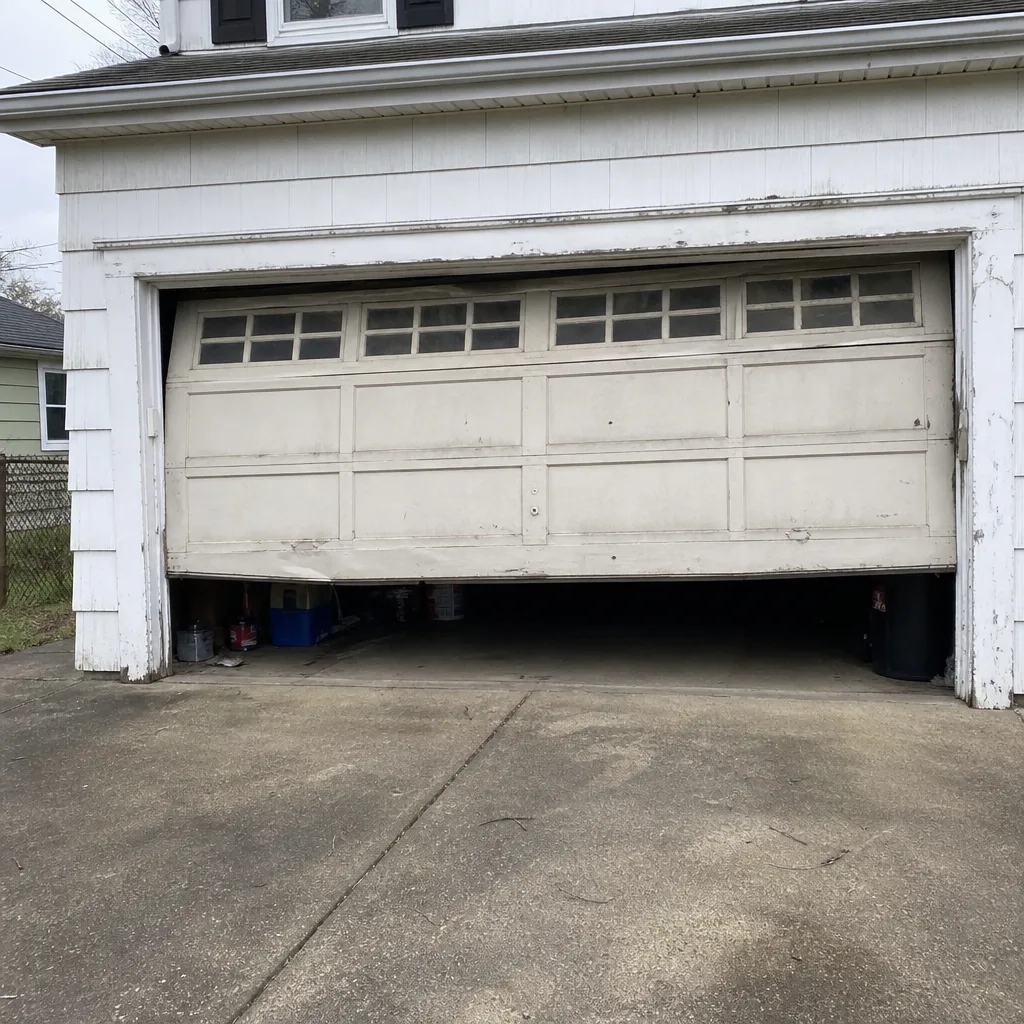
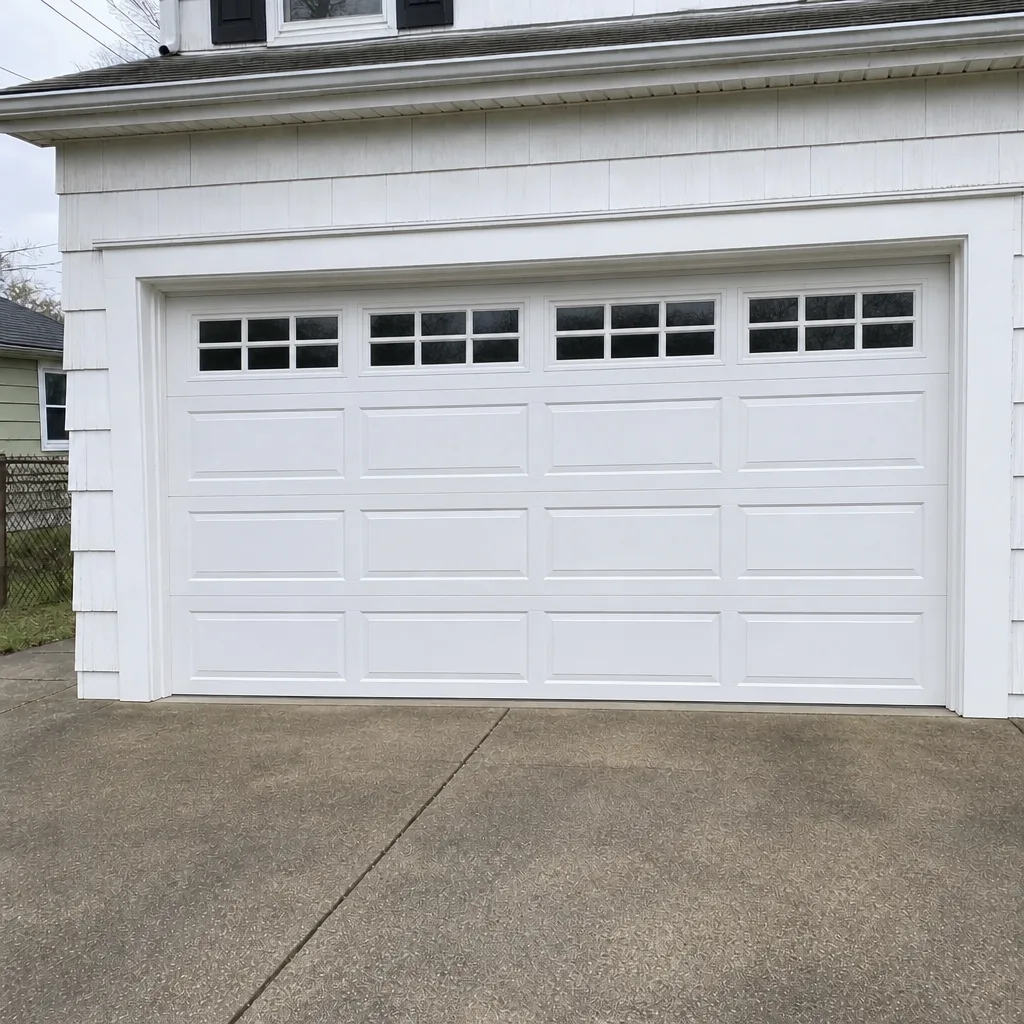
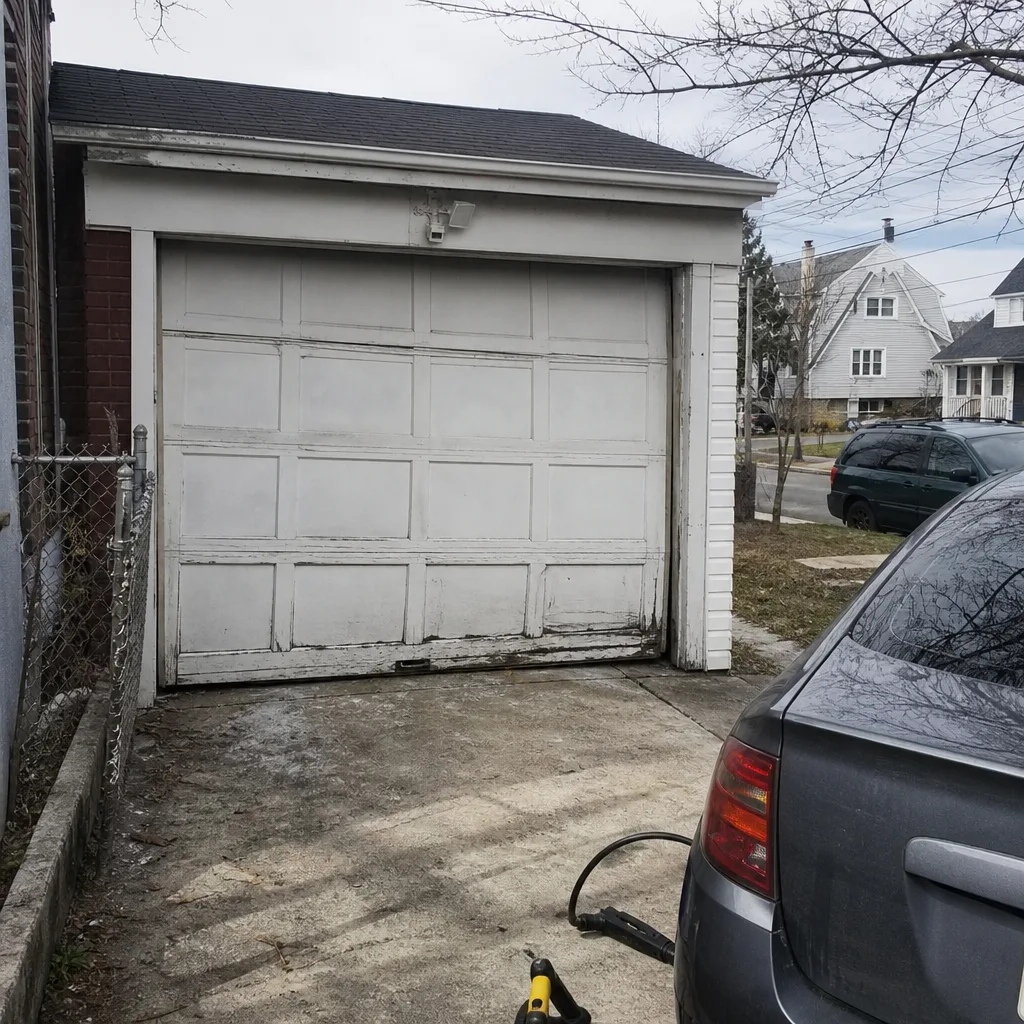
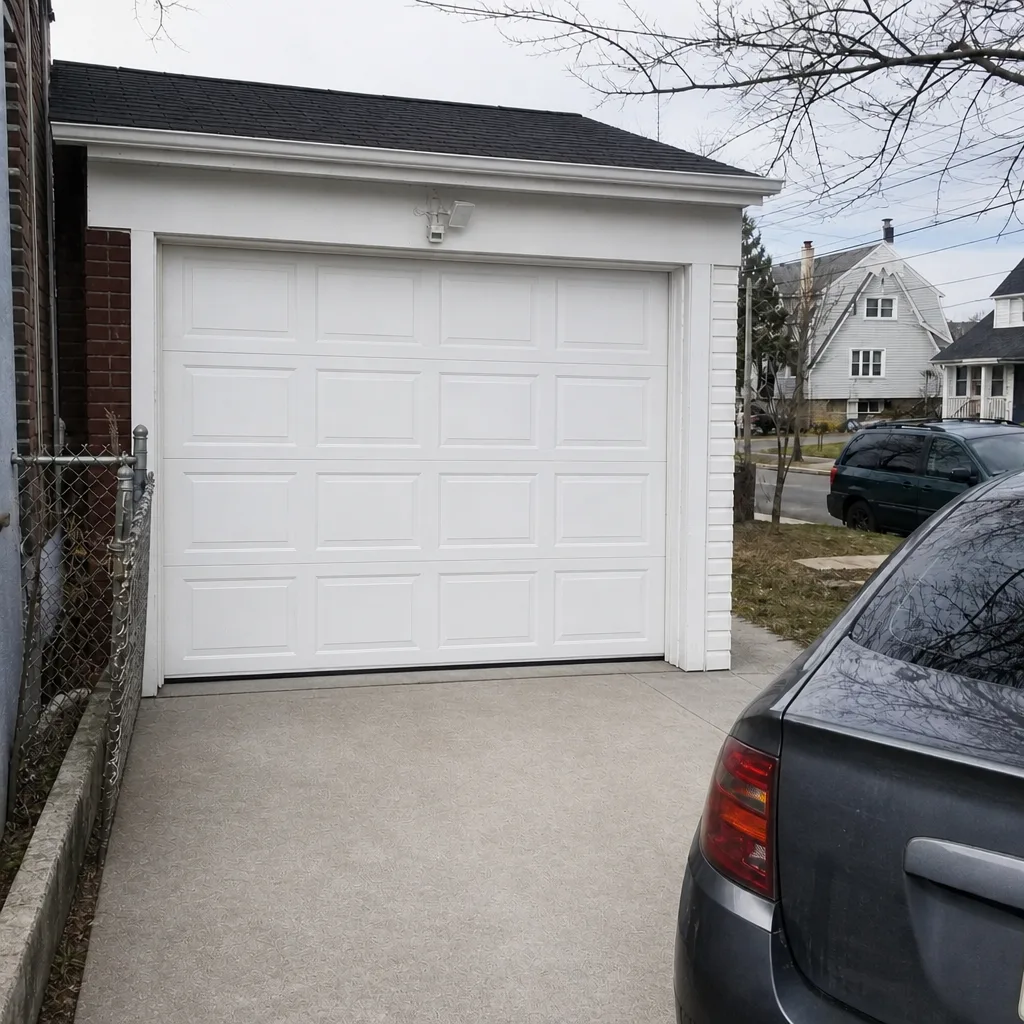
See the difference
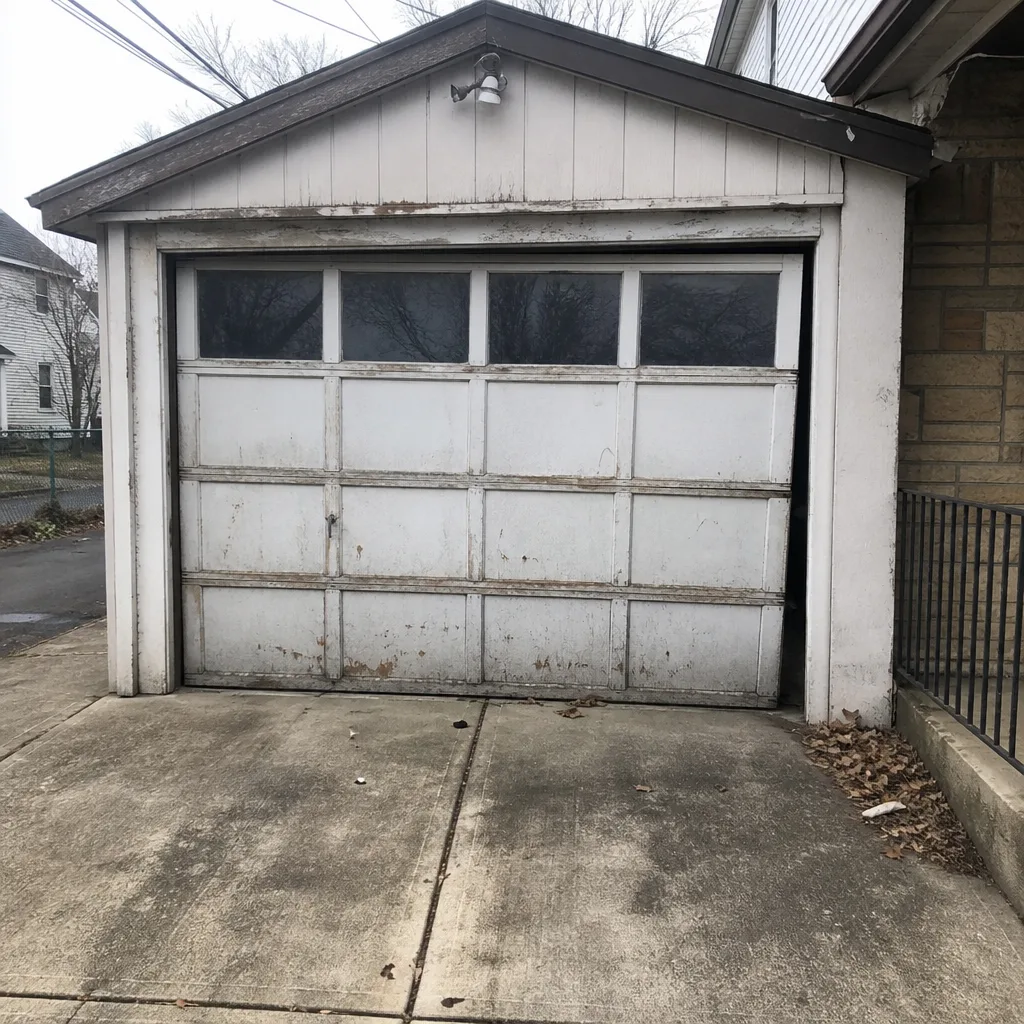 Before
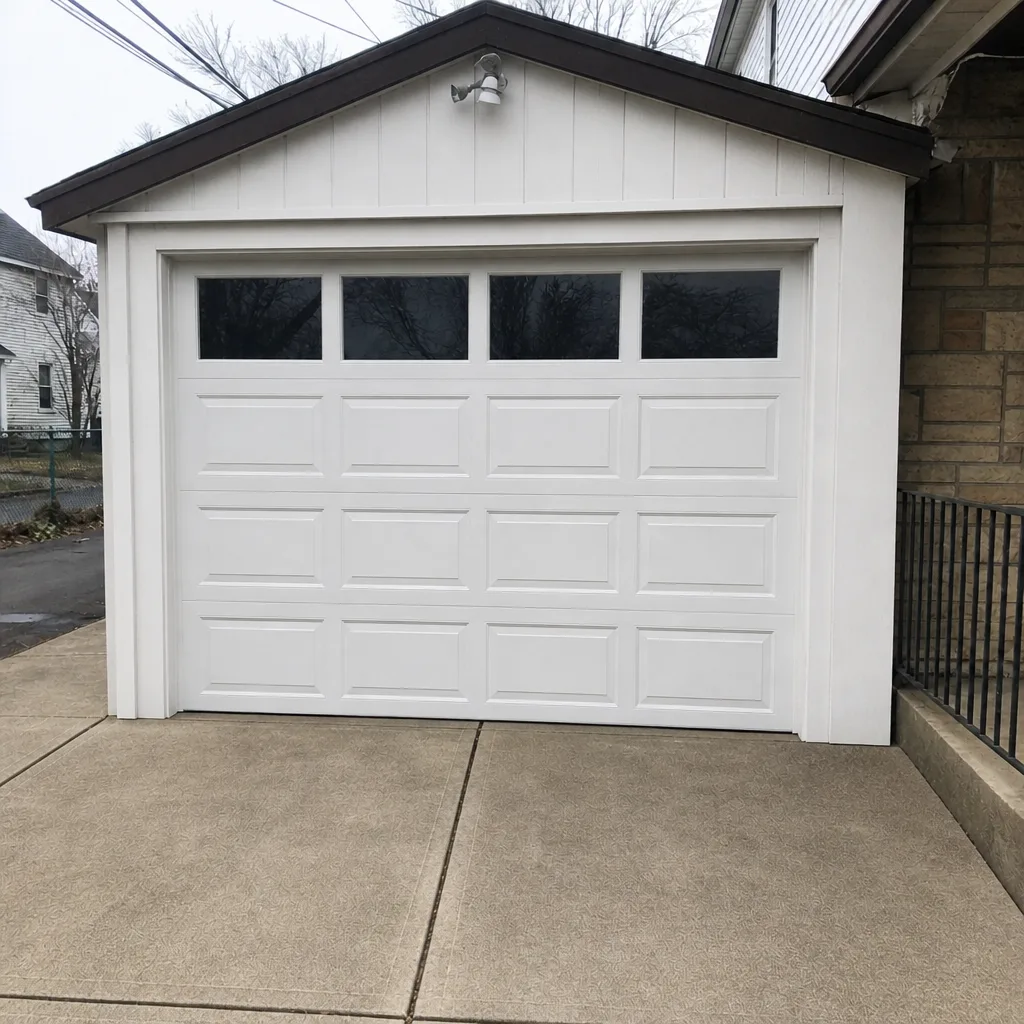 After
 Before
 After
 Before
 After
When to Call a Professional
Some jobs on this checklist are for a homeowner with a spray can and a flashlight. Others are for a trained technician, and it’s worth knowing which is which. Call a professional if any of these are true: you see a visible gap in a torsion spring; a cable is off its drum or frayed; the door drops or rises when you test the balance; the opener reverses on its own and sensor realignment doesn’t fix it; the door binds in the tracks; or the annual service is due and you’re not comfortable adjusting the force and travel settings. The springs and the opener are the two areas where a wrong move can cause injury or turn a small fix into a large one.
Hartwell Garage Door Repair offers free estimates in Elizabeth. We handle repair, opener repair, and installation across the major brands, and we repair before we recommend replacement. Call (833) 946-9108. We answer 24/7. Fast dispatch from 7am to 7pm, Sunday through Friday.
Frequently Asked Questions
Once a year for the full hands-on service, plus a five-minute visual inspection once a month. Elizabeth’s freeze-thaw cycles mean the pre-winter lubrication in fall is the most important single service of the year; that’s when you lubricate the springs and anchor plate before the cold sets in. Call (833) 946-9108 to book the annual service; estimates are free.
Lubricating the torsion spring anchor plate and the moving hardware before winter. It’s the step most online checklists skip, and it accounts for a disproportionate share of mid-winter spring failures in northern New Jersey. A dry anchor plate makes the spring work harder on every cycle. Call if you’re not sure how to reach it safely; the springs are under high tension.
You can lubricate the visible moving parts (rollers, hinges, and the anchor plate) with a garage-door-specific spray, but you shouldn’t adjust or wind the springs yourself. Torsion springs are under very high tension and a wrong move can cause serious injury. If the door is binding, noisy, or out of balance, call a professional.
Check the bottom seal for uneven compression, look for new gaps where the tracks meet the frame, and test the safety sensors. The freeze-thaw cycle shifts the framing and the concrete, which puts the sensors out of alignment and the tracks slightly off. If the door reverses on its own after a cold snap, the sensors are the first thing to check. Call (833) 946-9108 for a service visit.
Yes, the opener brands differ in their force and travel adjustment procedures, and the door brands differ in hinge and track configuration. The monthly inspection is the same for all of them, but the annual opener adjustment should follow the manufacturer’s manual for your specific brand. We service all of these and arrive familiar with the system you own.
It won’t make a spring last forever, but lubrication and balance checks meaningfully extend its life and catch the warning signs earlier. A spring that’s been lubricated regularly and kept in balance runs cooler and lasts longer than a dry one. The best outcome is replacing a spring on your schedule rather than at 7am with a car trapped inside. Call (833) 946-9108 before it fails; estimates are free.
The Bottom Line
A garage door maintenance checklist is only useful if it fits your door and your season. The five-minute monthly inspection catches the obvious problems; the annual hands-on service handles the lubrication, hardware, tracks, and opener settings; the freeze-thaw checks catch what Elizabeth’s winters do to seals, tracks, and sensors. If you do one thing this year, lubricate the torsion spring anchor plate and the moving hardware before the cold arrives. Document your door’s condition as you go, because a trend is easier to fix than a failure. For the jobs that need a trained hand, Hartwell Garage Door Repair is one call for repair, opener repair, and installation across eight brands.
Written by the team at Hartwell Garage Door Repair.