
Last updated November 14, 2026
 Raised-panel steel
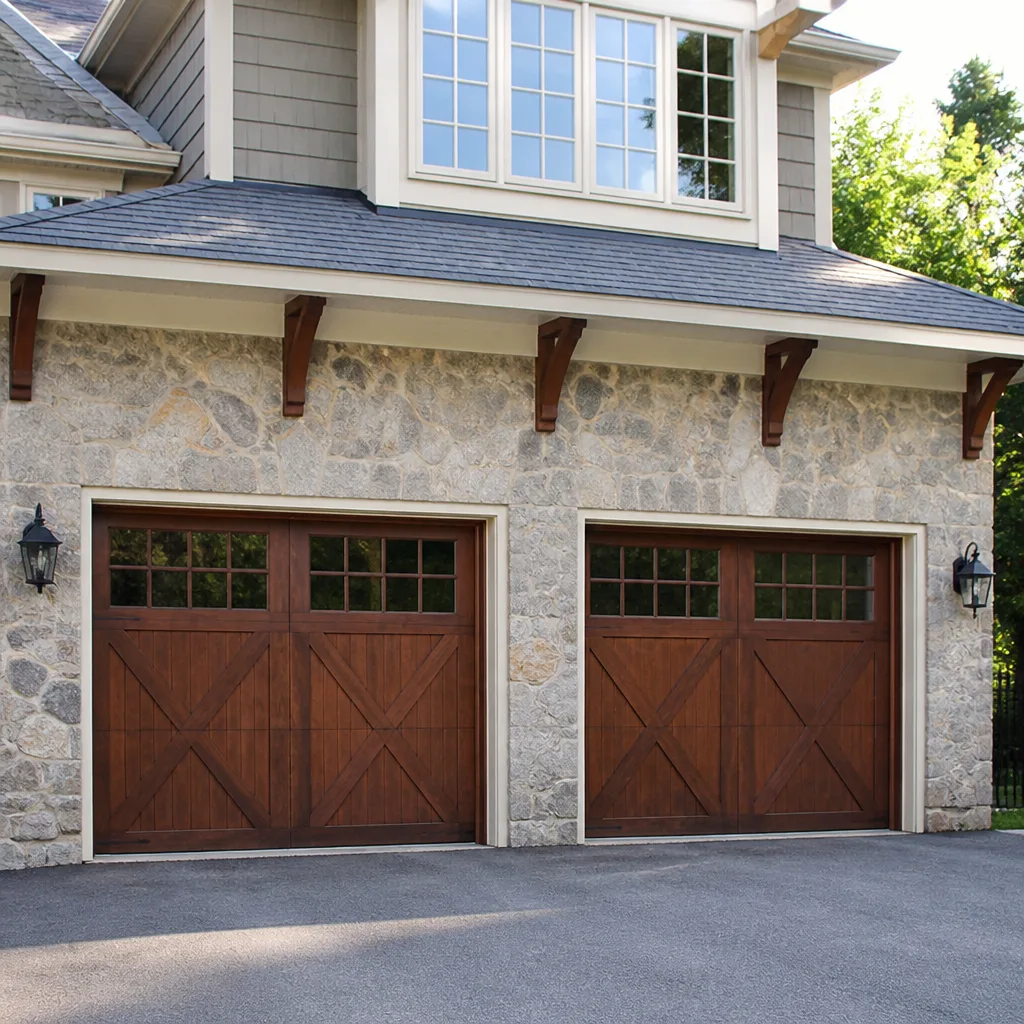 Carriage house
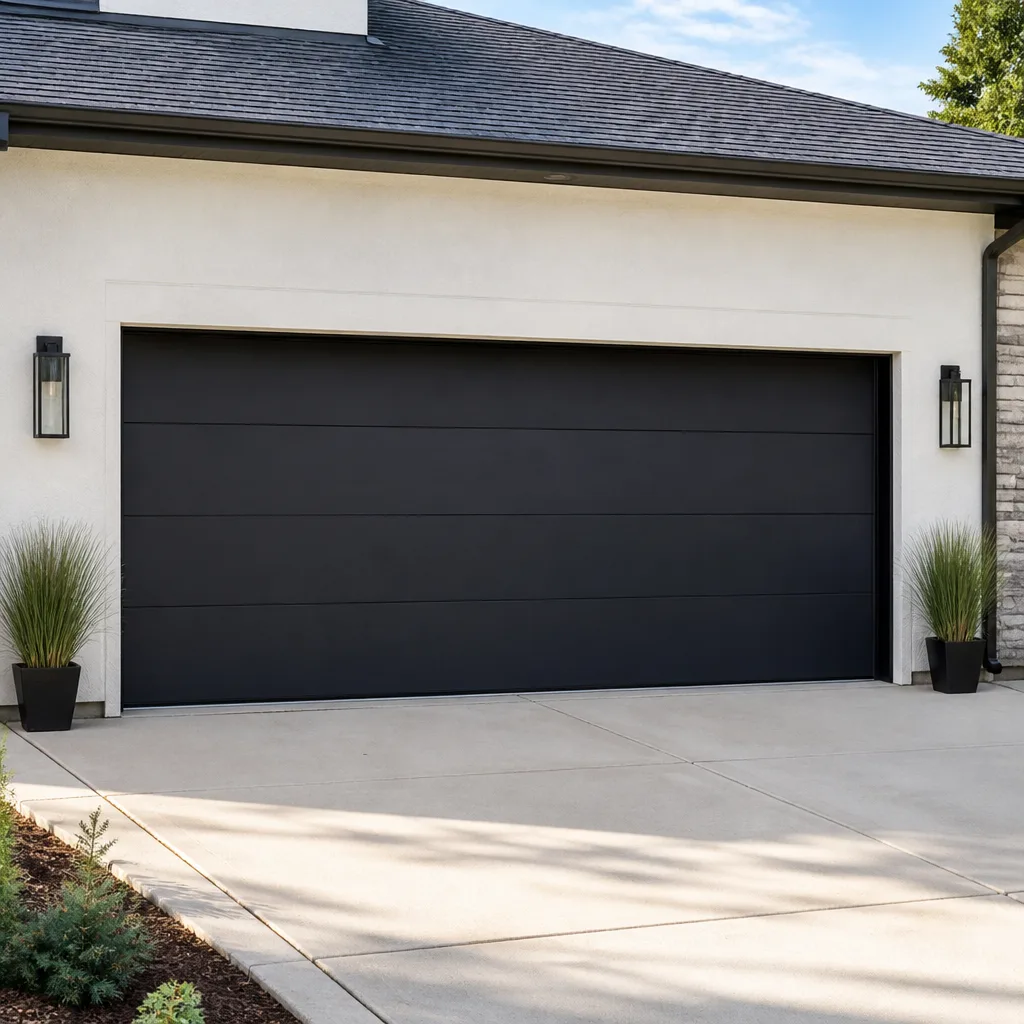 Modern flush
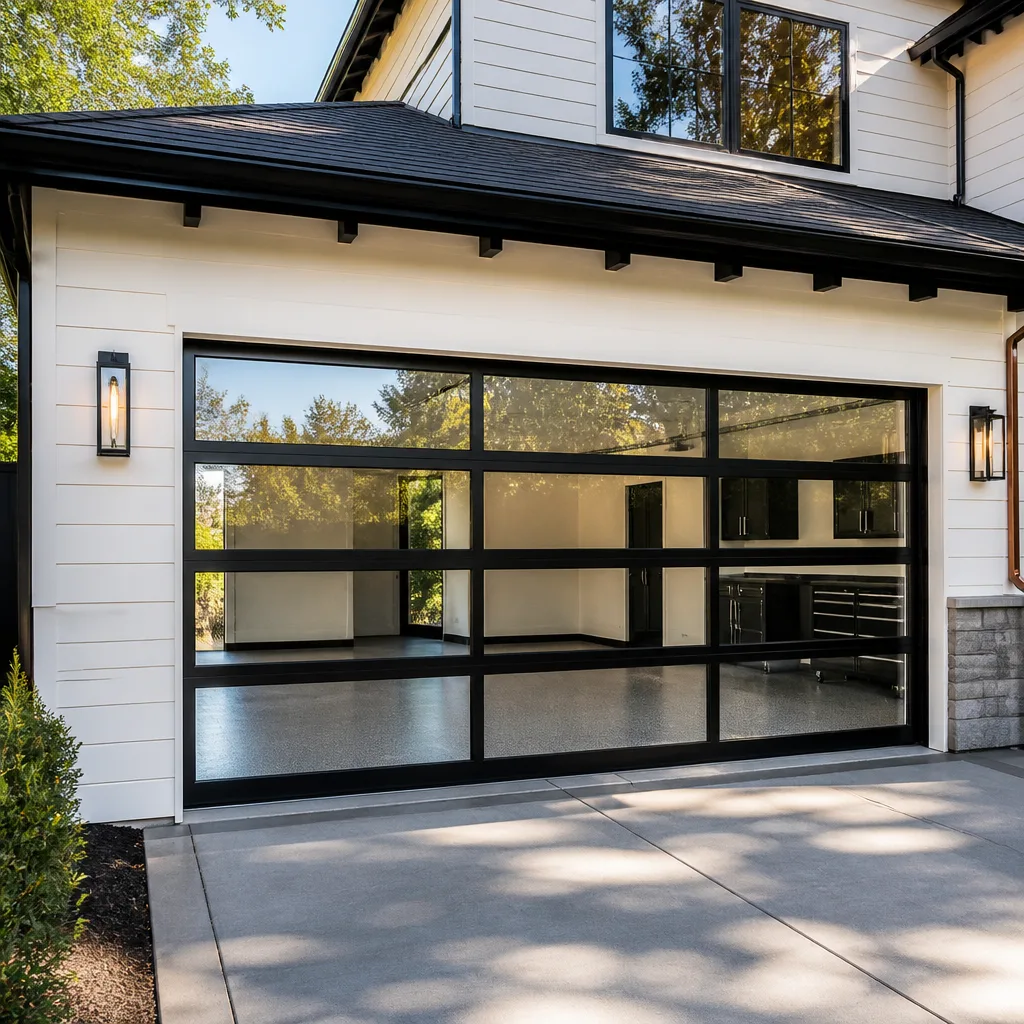 Full-view glass
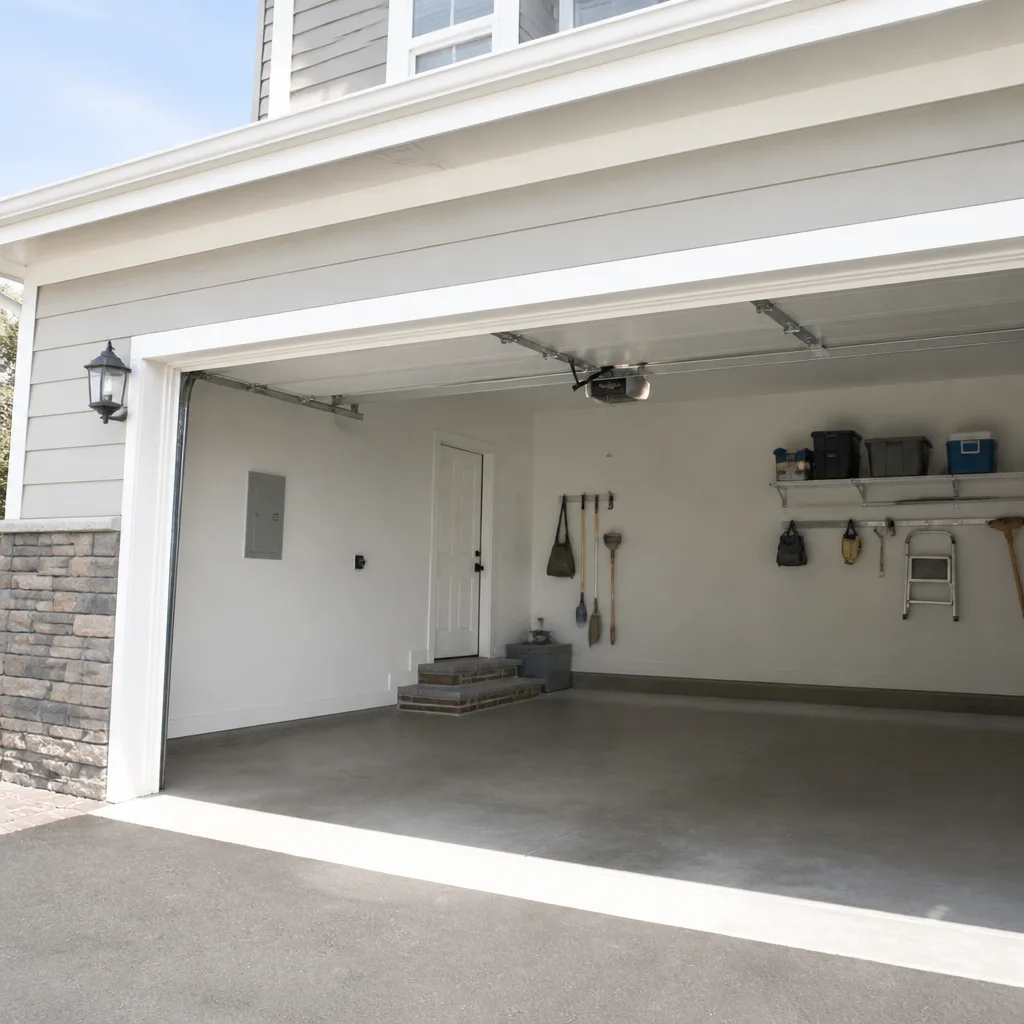 LiftMaster openers
 Chamberlain openers
Full 25-point door and opener safety check with every visit - springs, cables, rollers, tracks, and your LiftMaster or Chamberlain opener included
You get a price before we start. It does not change when the pro arrives.
Get your free estimateGarage Door Repair Maintenance Schedule: What to Do and When
Most homeowners who follow a “quarterly maintenance schedule” are lubricating their springs in July when they should be checking spring tension in March, and that mismatch is what separates a small tune-up from an emergency call. Garage doors don’t wear on a calendar. They wear on a cycle tied to temperature swings, open-and-close counts, and the specific hardware your door uses. In Elizabeth, where winters drop well below freezing and summers turn hot and humid, the two windows that actually matter are early spring and mid-fall. This guide lays out a wear-based schedule: what to check, when to check it, which parts take which lubricant, and which parts you should never touch. By the end you’ll have a maintenance rhythm built around how your door actually ages, not a generic checklist copied from a manual.
Quick Answer
A garage door maintenance schedule for Elizabeth should follow two seasonal windows – March and October – plus light monthly checks and one full annual inspection. In March, check spring tension, balance, and weather seals after winter contraction. In October, clear tracks, lubricate moving parts, and test the opener’s force settings before the cold returns. Heavy tasks like spring adjustment and cable inspection belong to a trained technician; homeowner tasks are limited to lubrication, visual inspection, and cleaning.
Styles & brands we work with
- Raised-panel steel
- Carriage house
- Modern flush
- Full-view glass
- LiftMaster openers
- Chamberlain openers
Table of Contents
- Why a Calendar-Based Schedule Fails in Elizabeth
- The March Window: Spring Tension and Post-Winter Checks
- The October Window: Pre-Winter Prep
- The Lubrication Matrix: What Gets What
- The Annual Tasks Most Checklists Omit
- Torsion vs. Extension Springs: Different Doors, Different Schedules
- Building a Task Log That Documents Your Service History
- Common Mistakes to Avoid
Why a Calendar-Based Schedule Fails in Elizabeth
Garage door hardware expands and contracts with temperature. In Elizabeth, the swing between a January cold snap and a July heat wave is wide enough to change spring tension, seal gaps, and track alignment several times over a year. A schedule that says “check everything in April and October” ignores the fact that the door behaves differently in each season.
Consider what actually happens to a torsion spring through a New Jersey year. Cold metal contracts, which changes the load the spring carries. Warm metal relaxes. A spring that felt balanced in September may feel noticeably different by February. The door itself is heavier in winter because the seals stiffen and the tracks can bind slightly in the cold.
That’s why the schedule here is organized around two things:
- Wear cycle – how many open-and-close cycles your door has logged, which varies enormously between a household that uses the door twice a day and one that uses it a dozen times.
- Seasonal stress – the temperature-driven changes that affect tension, seals, and lubrication at specific points in the year.
Homeowners in Elizabeth’s older neighborhoods, where detached garages are common and doors see less daily use but more weather exposure, often need a slightly different rhythm than someone with an attached garage and a modern Clopay or Amarr door. We’ll get to that distinction further down.
The March Window: Spring Tension and Post-Winter Checks
March is when winter’s effect on your door becomes visible. The cold months have contracted the springs, stiffened the seals, and possibly thrown the door slightly out of balance. This is the moment to check tension and alignment before the spring rush of the year begins.
What to do in March
- Check the door’s balance using the hand-test: disconnect the opener (usually a pull cord), lift the door to about halfway, and let go. A well-balanced door should stay put. If it drops or rises on its own, the spring tension is off.
- Inspect the weather seal along the bottom for cracks, hardening, or gaps that let cold air and moisture in. Winter is hard on rubber and vinyl seals, especially on doors facing north or west.
- Look at the spring itself for visible gaps, rust, or a stretched appearance. Do not attempt to adjust torsion springs yourself – they’re under extreme tension and can cause serious injury. This is a trained-technician task.
- Test the safety reverse by placing a small object (like a roll of paper towels) in the door’s path and closing it. The door should reverse on contact.
- Clean the tracks of grit and salt residue that has built up over winter, then check for any bends or misalignment.
The reason March matters specifically for Elizabeth is that by April the door is already transitioning into warm-weather operation. Catching a tension problem in March gives you a full season of safe operation before the fall check. We’ve seen doors that developed a minor spring problem in February and by May had worn the opener’s gear assembly trying to compensate. A small adjustment in March prevents that.
If your balance test fails or you hear grinding, popping, or a door that slams shut, that’s when to call in garage door repair rather than continue the DIY checks.
The October Window: Pre-Winter Prep
October is the second critical window because it’s your last chance to prepare for the cold before it arrives. Everything you do in October is about making sure the door survives the winter without strain.
What to do in October
- Lubricate all moving parts – rollers, hinges, the torsion bar bearings (not the springs themselves), and the track. We’ll detail the exact lubricant for each part in the matrix section below.
- Clear and clean the tracks completely, removing any debris, spider webs, or grit before the door starts cycling harder in cold weather.
- Test the opener’s force-limit settings. Cold weather makes the door heavier, and if the force limit is set too light, the door will reverse partway up on a cold morning. This is a common October complaint in Elizabeth once the first real cold front moves through.
- Check the weather seal again and replace it if it cracked over the summer. UV exposure plus humidity is tough on bottom seals.
- Inspect the cable drums and cables for fraying, rust, or looseness. Cables under tension should never be adjusted by a homeowner.
The October window is also when to think about your opener, not just the door. If you have a Genie, LiftMaster, or Chamberlain unit, the force-limit test and a check of the safety sensors is worth doing now. Sensors that fogged up in summer humidity often fail more often in cold weather. If your opener has been straining or making new noises, this is a good time to book garage door opener repair before winter puts extra load on the motor.
The Lubrication Matrix: What Gets What
Most maintenance guides say “lubricate your door” and leave it at that. That’s unhelpful, because the wrong lubricant in the wrong place does real damage. Here’s the matrix we use on Elizabeth doors.
Parts that get silicone spray
- Rollers – the metal shafts and bearing surfaces, not the rubber or nylon wheel itself. Silicone keeps them quiet without attracting grit.
- Hinges – a light spray at each pivot point.
- The torsion bar bearings (at the ends, not the spring itself) – a thin coat keeps them turning smoothly.
- Weather seals – a light silicone coat on rubber seals helps them stay pliable in cold weather.
Parts that get lithium grease
- The opener’s drive screw or rail (on screw-drive and some chain-drive units) – lithium grease clings better than silicone on these high-friction surfaces.
- The opener’s carriage and trolley – the moving parts that ride the rail.
- Rollers on heavy commercial-style doors – if your door is heavier (some Clopay and Amarr premium models fall here), lithium holds up better under load.
Parts that should never be lubricated
- Nylon or plastic rollers – these are self-lubricating; adding oil or grease attracts grit that wears them faster.
- The torsion spring itself – lubricating the coil can collect debris and mask a failing spring. Leave it dry.
- Safety sensor lenses – clean with a dry cloth only. Spray lubricant on the lens clouds it and causes false triggers.
- Chain drive (the chain itself) – most residential chains are sealed; adding grease causes buildup. Leave them alone.
If you’re unsure what your door uses, an experienced technician can tell at a glance – the difference between a Wayne Dalton door with sealed chain and an older extension-spring setup changes the whole matrix.
The Annual Tasks Most Checklists Omit
The tasks below are missing from most homeowner maintenance guides, and they’re the ones that prevent expensive failures. Do these once a year, ideally in the spring after the March checks.
1. The hand-balance test
We covered this in the March section, but it belongs in the annual review too. The hand-test is the simplest way to know whether your springs are still doing their job. Disconnect the opener, lift the door halfway, and let go. It should hold. If it rises or falls, the tension needs attention.
2. Cable drum inspection
Look at the cable drums at each end of the torsion bar. A healthy drum has clean wire wrapped evenly; a failing one shows fraying, loose strands, or the cable climbing off the drum. This is a visual check only – adjusting the cables requires releasing tension and is genuinely dangerous work.
3. Force-limit testing
Test both the opening force and the closing force. For the closing test, place a block of wood or a roll of towels in the door’s path and close it. The door should reverse. For the opening test, disconnect the opener and see if the door stops when it meets mild resistance. A force limit set too high is a safety hazard; too low causes false reversals.
4. Photo-eye alignment
Check that the two safety sensors on the sides of the door track are aligned and that the LED on each is solid, not flickering. A flickering light means misalignment or a dirty lens.
5. Opener motor lubrication (if applicable)
Some opener models have a small gear case that benefits from periodic grease; others are sealed. Check your opener’s manual – if you’re not sure, leave it. Most residential openers from LiftMaster, Chamberlain, and Genie don’t need motor lubrication at all.
6. Full hardware torque check
With the door down, check that all hinge bolts and roller brackets are snug. Vibration over a year loosens hardware, and a loose bracket causes the door to flex and wear the panel edges.
If any of these checks turns up something you’re not comfortable with, the right move is to bring in a professional. Our Hartwell Garage Door Repair technicians have up to 8 years of experience and handle these checks as part of routine service.
Torsion vs. Extension Springs: Different Doors, Different Schedules
Not all Elizabeth garages use the same spring system, and the maintenance schedule shifts depending on which one you have.
Torsion springs (typical on attached garages)
Torsion springs are mounted on a bar above the door, parallel to the header. They’re the standard on most attached garages because they handle heavier doors and last longer. Maintenance for a torsion system:
- Watch the spring for gaps – a spring with visible gaps between coils is losing tension.
- Check the torsion bar bearings annually and lubricate them lightly with silicone.
- Expect the spring to last 7 to 10 years depending on cycle count; if you use the door 10 to 15 times a day, the window shrinks.
- Leave any adjustment to a technician – torsion springs under full tension can break violently and cause serious injury.
Extension springs (more common on older detached garages)
Extension springs run along the horizontal tracks on each side of the door. Many older detached garages in Elizabeth’s historic neighborhoods use this setup. Maintenance for an extension system:
- Check for a safety containment cable running through the center of each spring – if not present, a technician can add one, since a broken extension spring can fly loose.
- Inspect pulleys for wear, rust, and misalignment – the pulleys on extension setups are a common failure point.
- Watch for sagging doors or uneven lift – a door lifting more on one side than the other usually means one spring is weaker.
- Balance the tension across both springs; this is a technician task, but the symptom is easy to spot: the door rises crooked.
The seasonal rhythm – March for tension checks, October for lubrication and prep – applies to both. The difference is in what the check looks like and which parts wear first.
Building a Task Log That Documents Your Service History
A written service log does two things: it tells you when tasks are due, and it gives you a record if you ever need to document a warranty claim or disclose the garage door’s condition when selling your home.
A simple paper or spreadsheet format
Use a single sheet, or a spreadsheet if you prefer, with these columns:
- Date – when the task was done.
- Task – what was done (balance test, lubrication, seal replacement, etc.).
- Part or system – which part it relates to (torsion spring, opener, weather seal, etc.).
- Observation – what you noticed (e.g., “minor rust on drum, no fraying” or “seal cracking at bottom corner”).
- Action – whether you did the work yourself or called a technician, and what was replaced.
How the log helps you
- Warranty claims – if a spring fails within a manufacturer’s window, a dated log showing proper maintenance supports your claim.
- Resale disclosure – many buyers in Elizabeth ask about garage door age and service history; a log answers that clearly.
- Pattern recognition – if you notice the balance test failed in March two years running, that tells you the spring is nearing the end of its life, and you can plan for replacement rather than get surprised.
- Technician handoff – when you call a service technician, a quick rundown of what you’ve noticed shortens the diagnostic visit.
We’ve seen doors go 15 years without a problem because the homeowner kept a simple log and replaced the spring before failure. We’ve also seen premature failures on doors where nobody kept track. The log is not glamorous, but it’s the highest-leverage habit on this list.
Common Mistakes to Avoid
- Lubricating the torsion spring itself. It feels right and it’s wrong. Oil on the coil traps grit, masks a failing spring, and does nothing useful. Leave the spring dry and check for gaps instead.
- Using WD-40 on everything. WD-40 is a penetrant, not a lubricant. It displaces water and attracts dust; it won’t protect rollers or hinges through a New Jersey winter. Use silicone spray or lithium grease.
- Ignoring the balance test because the door “still opens.” A door that opens but won’t hold halfway is one that’s wearing out your opener. In Elizabeth, that wear accelerates in winter when the door gets heavier. The balance test takes 30 seconds.
- Adjusting torsion springs yourself. This is the single most dangerous task on a garage door. The tension can release violently – even a technician handles these with specific tools. If you suspect a spring problem, call a professional.
- Skipping the October force-limit test. Cold weather changes how much force the door needs to move. If the limit is set for summer, the door will reverse halfway up on the first cold morning. Set it for winter in October and recheck in March.
- Assuming all parts need lubricant. Nylon rollers, sealed chains, and safety sensor lenses should stay dry. Lubricating them attracts grit and shortens their life.
- Not keeping a log. Without a written record, you won’t know when the spring was last checked before it broke. A five-minute log entry per task is the cheapest protection against a $300 emergency repair.
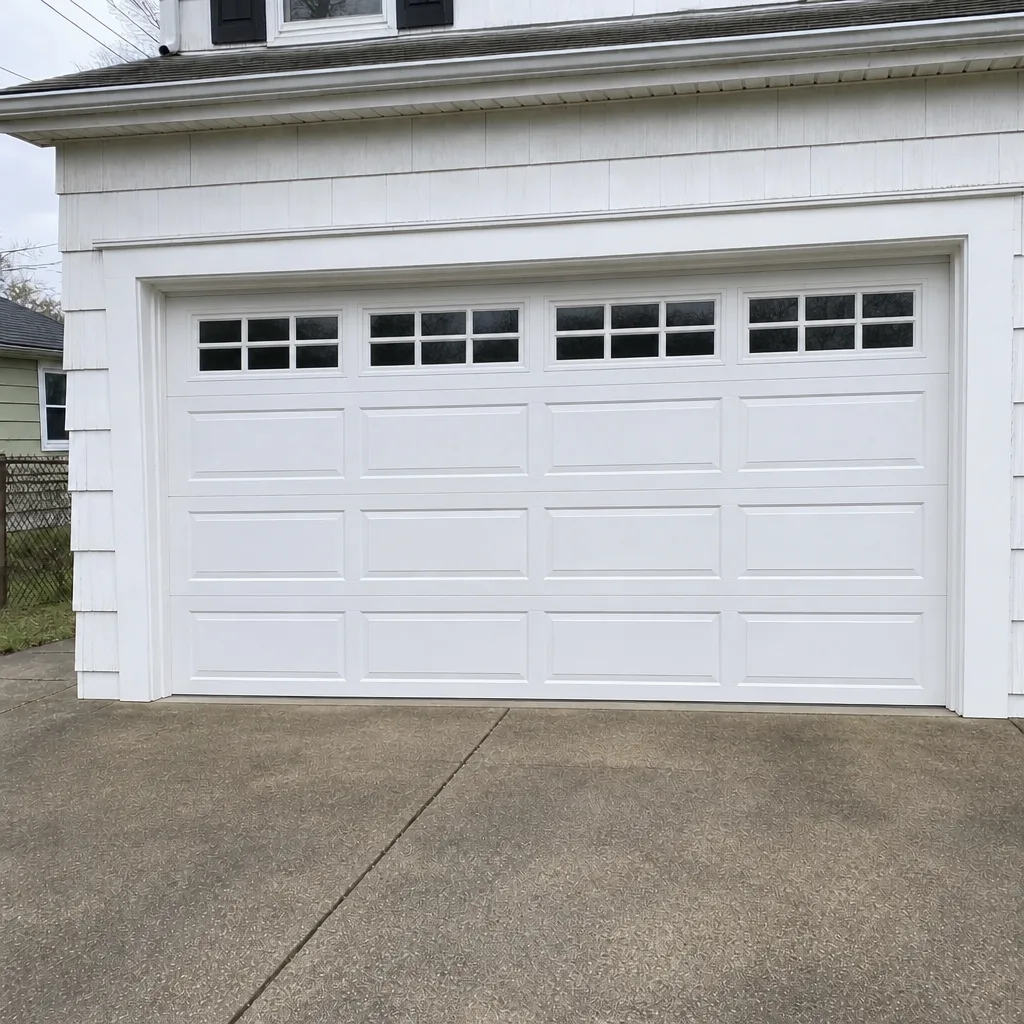
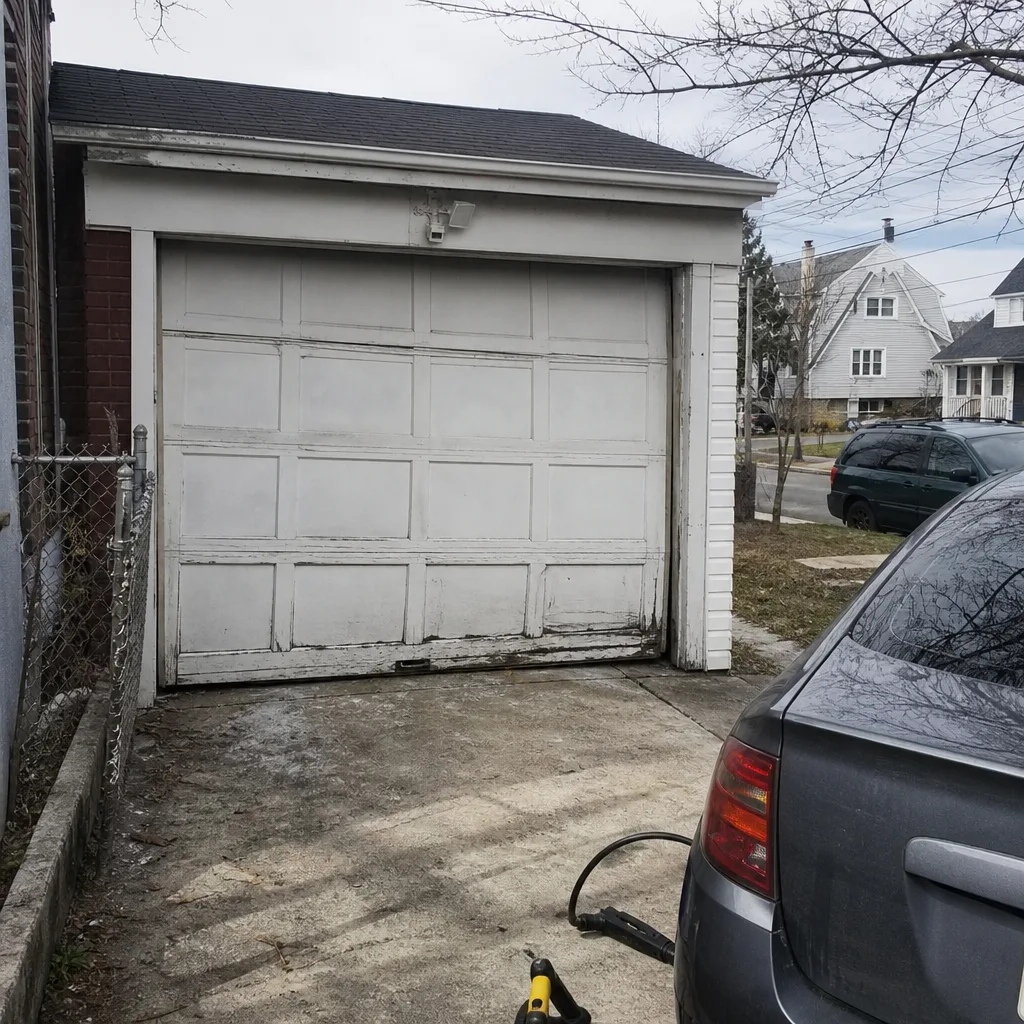
See the difference
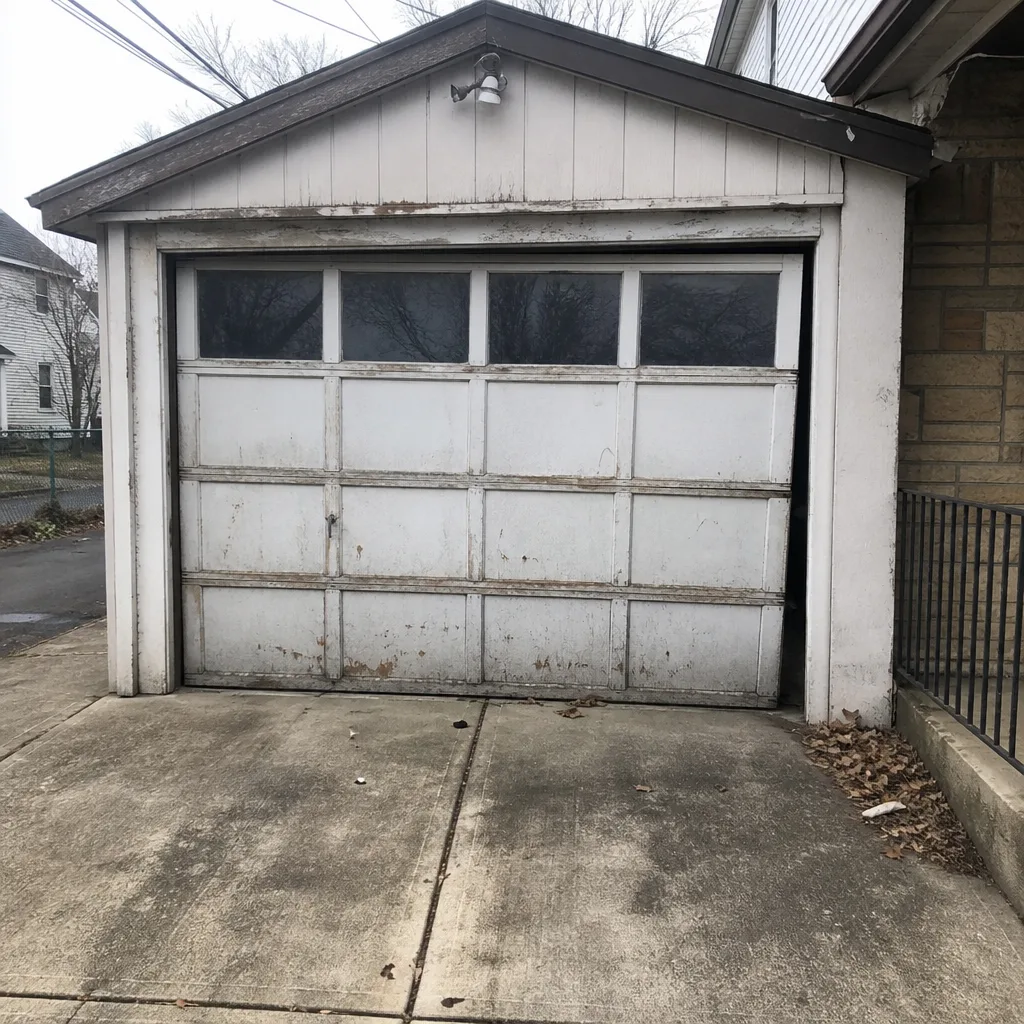 Before
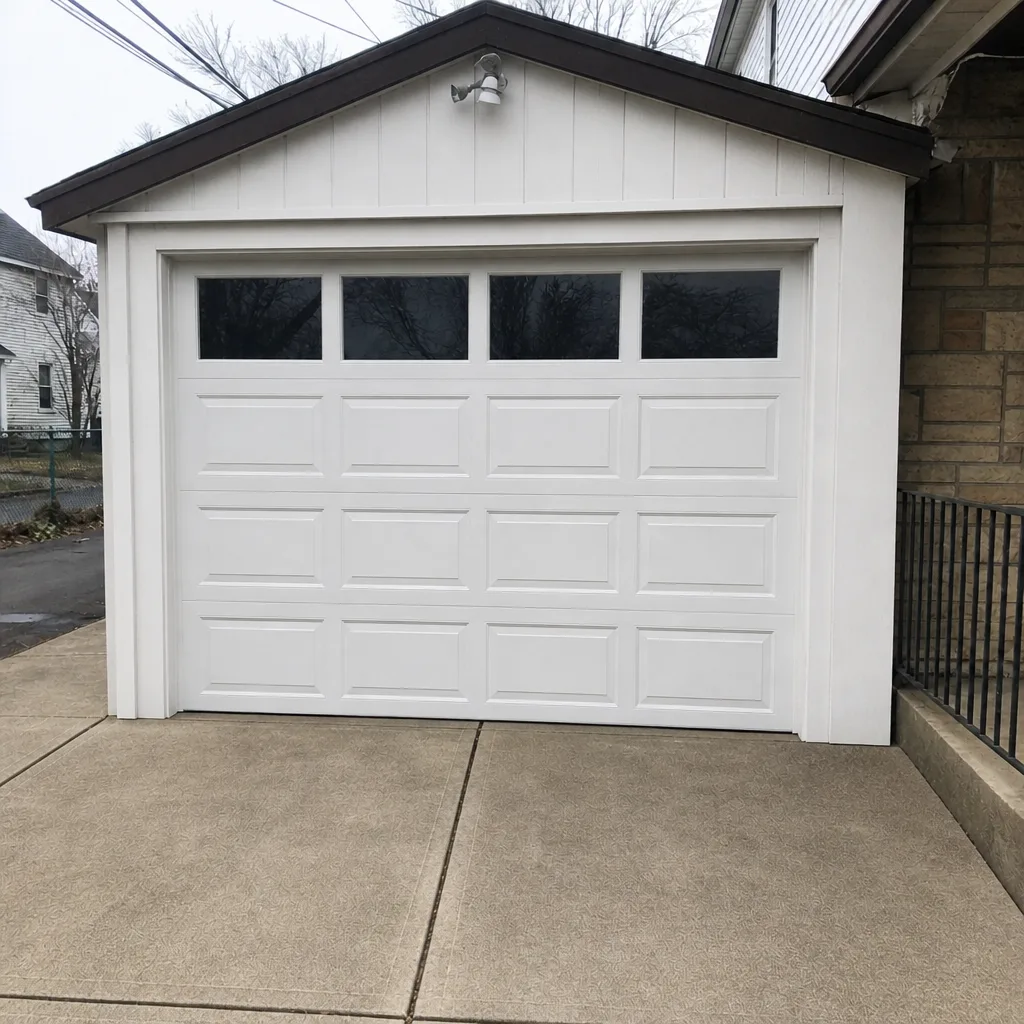 After
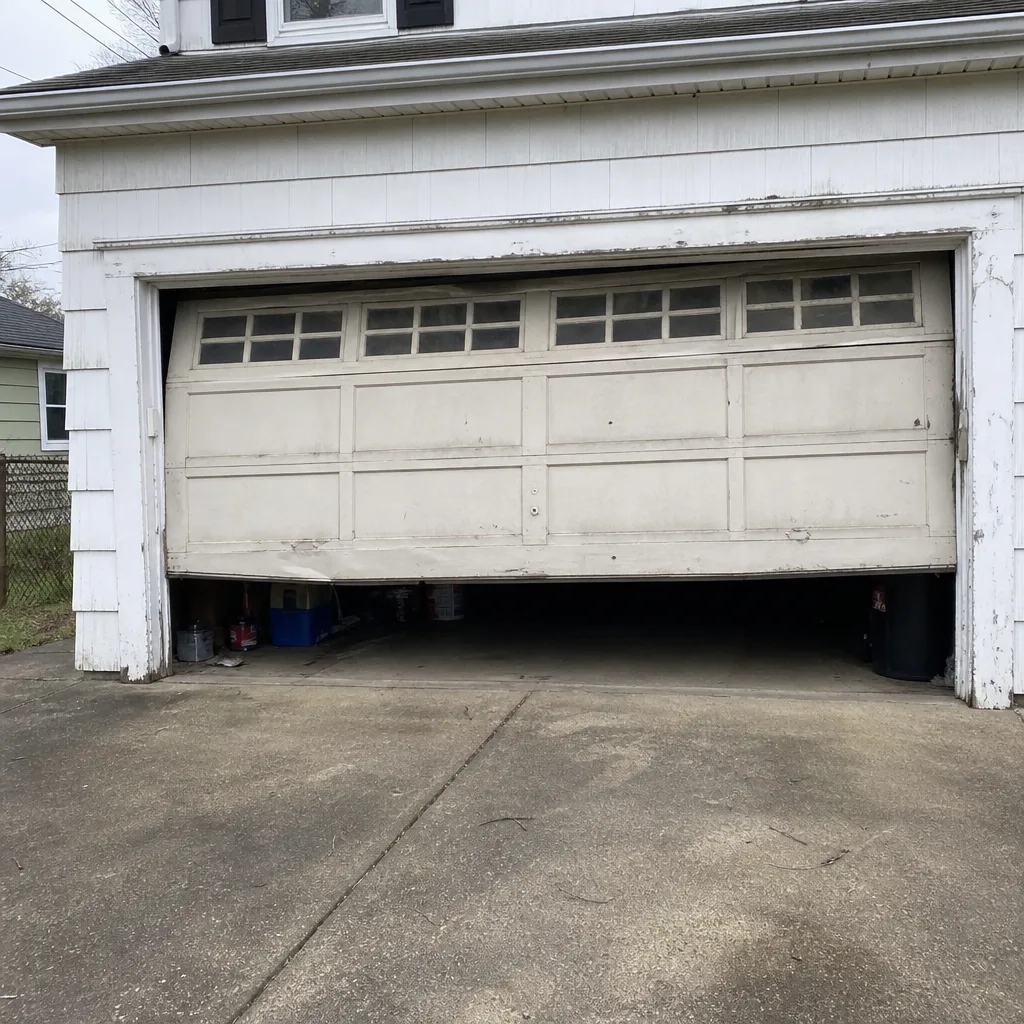 Before
 After
 Before
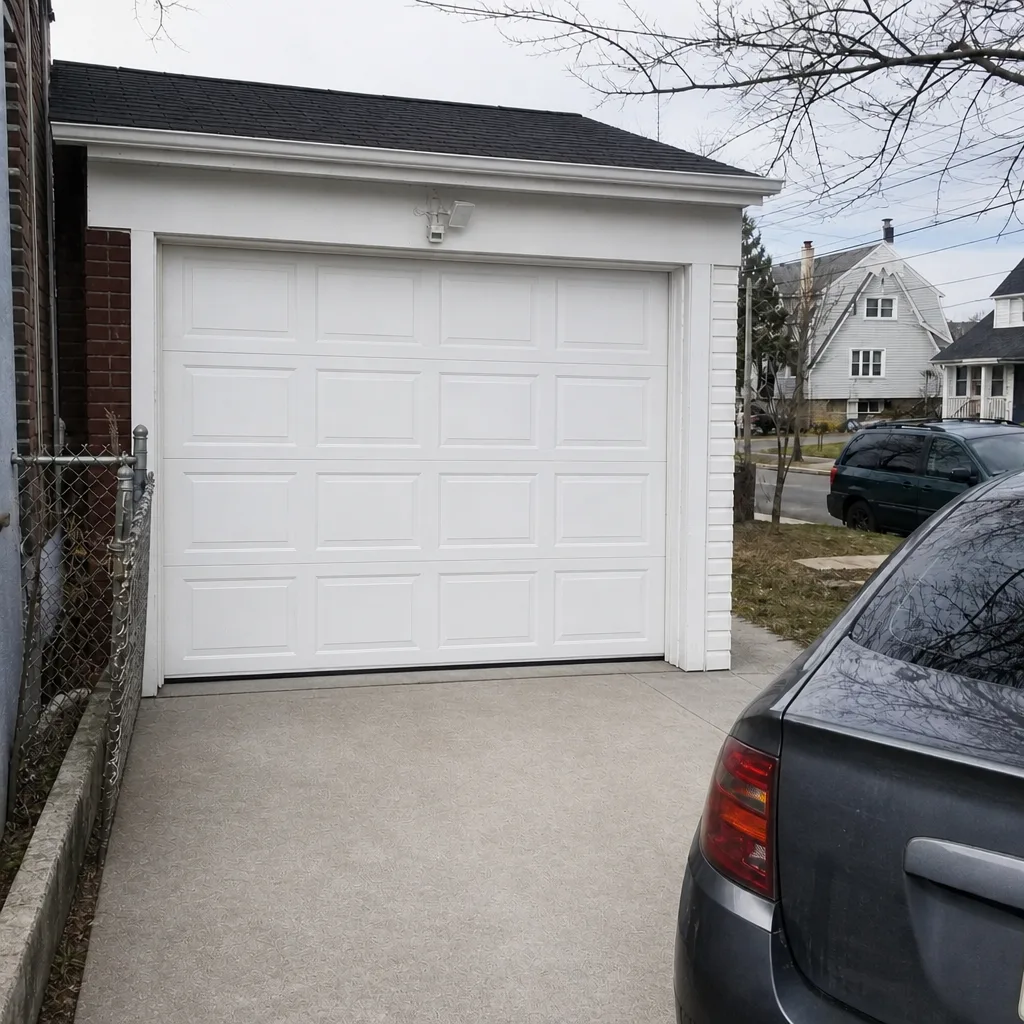 After
When to Call a Professional
Most maintenance tasks in this guide are safe for a homeowner: lubrication, visual inspection, cleaning, and the balance test. The moment you cross into spring adjustment, cable work, opener motor repair, or anything involving drilling into the door panel, it’s time to call a trained technician. Garage door springs store enormous energy – the wrong move can cause serious injury.
Specific scenarios that warrant a call to a professional:
- The door won’t stay balanced at the halfway point.
- You hear a loud pop or snap from the spring area.
- The door rises crooked or unevenly.
- The opener reverses for no apparent reason, even after adjusting force settings.
- Cables or drums show fraying, slack, or visible wear.
We handle repair, opener service, and installation across the major brands – LiftMaster, Chamberlain, Genie, Clopay, Amarr, Wayne Dalton, Craftsman, and Raynor – so your existing system gets the right attention, whatever it is. Hartwell Garage Door Repair offers free estimates in Elizabeth. Call (833) 946-9108. We answer 24/7. Fast dispatch from 7am to 7pm, Sunday through Friday.
If your garage is in one of the city’s historic neighborhoods and the door is original to the house, a full assessment is worth doing before winter. For more on service in Elizabeth, we can help narrow down what your door needs.
Frequently Asked Questions
Lubricate moving parts twice a year: once in October before the cold season and once in March after winter. Use silicone spray on rollers, hinges, and bearings, and lithium grease on the opener rail and trolley. Skip the torsion spring itself – it should stay dry.
March. Post-winter checks catch spring tension problems, seal damage, and balance issues before the door carries them into the warmer season. October is the second-most-important window, but March is when winter’s damage first shows.
No. Torsion springs are under extreme tension and can cause serious injury if handled incorrectly. A trained technician has the specific tools and experience to adjust them safely. Homeowners can perform the balance test but should leave any spring adjustment to a professional.
Watch for a door that reverses partway up, rises crooked, makes a new grinding or popping noise, or won’t hold halfway. Those symptoms mean it’s worth a call rather than waiting for the next scheduled check. Call (833) 946-9108 for an exact assessment – estimates are free.
Often yes. Detached garages usually have extension springs rather than torsion, and extension pulley systems wear faster. They benefit from an extra mid-year visual check of the pulleys and containment cables, especially in humid summer months.
Yes. Our technicians are state-licensed and insured, with up to 8 years of experience across the major garage door and opener brands. Call (833) 946-9108 for a free estimate, and we’ll quote the price in writing before any work begins.
The Bottom Line
A garage door maintenance schedule that works is built around wear cycles and seasonal windows, not calendar quarters. In Elizabeth, the two windows that matter most are March, when you check spring tension and balance after winter, and October, when you prepare the door for the cold with lubrication and a force-limit test. Light monthly checks do the rest. The lubrication matrix – silicone on moving parts, lithium on the opener rail, nothing on the spring itself – prevents most premature wear. Keep a simple task log so you know what’s been done and when. The payoff is a door that goes years without a surprise, and the fix that would have been a spring adjustment doesn’t turn into a full replacement.
When a task crosses into spring, cable, or opener motor work, bring in someone trained. Call (833) 946-9108 for a free estimate. We answer 24/7. Fast dispatch from 7am to 7pm, Sunday through Friday.
Written by the team at Hartwell Garage Door Repair.